English
 Pусский
 Español
 عربي
عربي

Turning Noisy Signals on Extruder into a Readable Opportunity Map
Article Overview: This article explains how production data from extruders in plastic sheet manufacturing can be interpreted to identify process improvements. It covers basic extruder operation, the value of multi-layer co-extrusion, and practical steps for turning operational signals into a clear opportunity map for technical and procurement teams.
What Is an Extruder and How Does It Work?
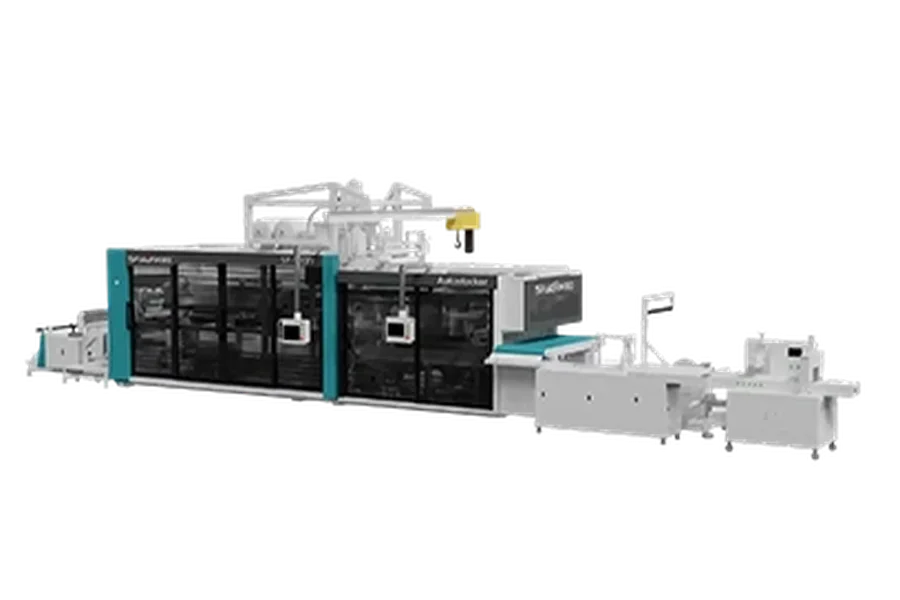
An extruder is a fundamental machine in plastic processing. It melts raw plastic material and forces it through a die to create a continuous profile. In sheet extrusion, the output is a flat plastic sheet of controlled thickness and width. The extruder consists of a barrel, a rotating screw, heating zones, and a die. The screw conveys, melts, and homogenizes the polymer while the die shapes the melt into a sheet. Understanding these basics helps operators recognize how variations in temperature, screw speed, or die gap affect final product quality.
Modern extruders often include sensors for temperature, pressure, and melt flow. These generate continuous streams of data that can be used for real-time control and historical analysis. However, without proper interpretation, this data becomes noise rather than actionable intelligence.
Why Does Multi-Layer Co-Extrusion Matter for Sheet Production?
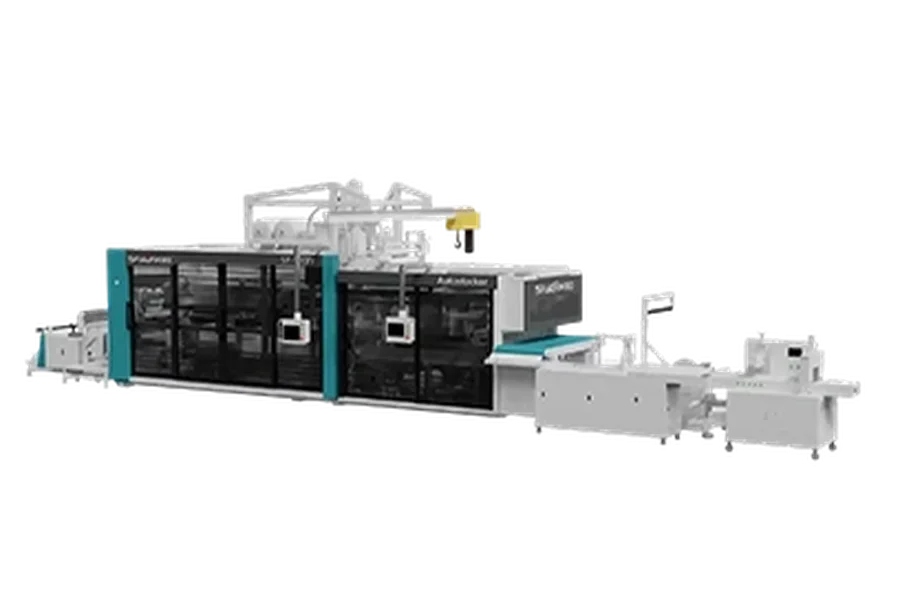
Multi-layer co-extrusion uses multiple extruders to feed a single die, producing a sheet with several distinct layers. Each layer can offer different properties—barrier, strength, color, or adhesion—without requiring post-extrusion lamination. For example, a food container sheet might have a barrier layer to prevent oxygen ingress, a structural layer for rigidity, and a sealant layer for closure. This approach reduces material consumption and manufacturing steps compared to mono-layer alternatives.
Integrating a plastic sheet extruder designed for co-extrusion allows manufacturers to produce high-performance sheets with fewer defects. The key is balancing melt viscosities and temperatures across extruders to maintain layer uniformity. Operators must monitor each extruder's parameters independently and correlate them with final sheet quality. A deviation in one extruder can cause layer thickness variations, leading to scrap or customer rejection.
| Parameter | Mono-Layer Extrusion | Multi-Layer Co-Extrusion |
|---|---|---|
| Number of extruders | Single | Two or more |
| Layer structure | Homogeneous | Distinct layers with different properties |
| Property customization | Limited to one polymer | Tailored per layer (barrier, strength, color) |
| Typical scrap rate | Varies by configuration | Varies by configuration |
| Equipment complexity | Lower | Higher (multiple controllers, feedblock) |
| Suitability for high-barrier packaging | No | Yes |
How Can You Interpret Production Signals from Your Extruder Line?
Production signals from extruders include temperature trends, pressure fluctuations, motor load, and melt temperature. Each signal can indicate specific issues or opportunities. To move from noise to insight, adopt a structured approach:
- Trend analysis: Compare real-time values to historical baselines. A slow rise in melt temperature may indicate degraded screw performance or a blocked filter.
- Correlation with product defects: Map quality inspection results (e.g., gauge variation, gels, surface streaks) to extruder settings at the time of production. This reveals root causes.
- Cross-referencing layer data: In co-extrusion, changes in one extruder can affect adjacent layers. Track individual extruder pressures and temperatures to detect imbalances.
For example, a hypothetical scenario: a sudden increase in die pressure in the barrier layer extruder may be caused by contamination or degraded polymer—prompting a screen pack change before defective sheet accumulates.
Data acquisition systems and simple dashboards can aggregate these signals. Even without expensive analytics, visual trend plots help operators spot anomalies early. Closely related auxiliary equipment such as crushers and stackers also generate data that can be integrated into a unified production view.
What Are the Most Common Signal Patterns and Their Meanings?
Understanding typical signal behaviors can accelerate troubleshooting:
- Gradual temperature rise: May indicate fouling on thermocouples or reduced cooling efficiency.
- Cyclic pressure spikes: Could be due to worn screw flights or inconsistent feeding.
- Sudden motor load increase: Often caused by a change in melt viscosity or a mechanical obstruction.
Keeping a log of these patterns and their resolutions builds an internal knowledge base for future reference.
How to Build an Opportunity Map for Process Improvement

An opportunity map organizes production signals into prioritized actions. Start by categorizing data sources: extruder parameters, die conditions, auxiliary equipment status, and final product quality. Then identify patterns that signal improvement areas. Key steps include:
- Define baseline performance for each critical parameter (e.g., target throughput, melt temperature range, pressure variation limits).
- Collect and label data from at least one production shift to capture normal and abnormal conditions.
- Identify recurring deviations that correlate with scrap events or slowdowns. For instance, a weekly spike in gearbox temperature may indicate insufficient cooling.
- Rank opportunities by impact on quality, yield, or uptime. Address high-impact, low-effort issues first.
- Implement monitoring and review using simple charts or control limits. Adjust parameters incrementally and verify results.
This method turns scattered data into a clear roadmap. Manufacturers can reduce material waste, improve sheet thickness consistency, and extend equipment life. For example, an operation using a multi-station thermoforming machine downstream can align extruder output settings with forming cycle requirements, minimizing trim scrap.
An opportunity map also supports investment decisions. If signals indicate that the current extruder screw design limits throughput, the team can evaluate a new screw or a plastic cup making machine line that better matches downstream demand. Similarly, upgrading die technology might be justified when consistent gauge variations appear across all recipes.
Regular reviews of the opportunity map ensure continuous improvement. Share findings with cross-functional teams including operations and procurement. A common vocabulary for production signals helps everyone interpret the same data. For deeper insights, consult resources on your product specific applications and quality standards.
Frequently Asked Questions
What is the difference between a mono-layer and a multi-layer extruder?
A mono-layer extruder uses a single screw and barrel to produce a homogeneous sheet. A multi-layer co-extruder uses two or more extruders feeding a common die, creating a sheet with distinct layers for combined properties.
How can I tell if my extruder data is reliable?
Regularly calibrate sensors and verify against manual measurements. Compare trends over time rather than single readings. Sudden jumps or flat-line readings often indicate sensor drift or failure.
What are the first steps in setting up an opportunity map?
Start by listing all available data points from your extruder line. Then define acceptable ranges for each parameter. Collect a week of data and note any time periods with quality issues. Look for patterns linking parameter excursions to defects.
Do I need special software to interpret extruder signals?
Not necessarily. Spreadsheets or basic SCADA trends can reveal patterns. The key is systematic logging and review. Dedicated analytics platforms become useful when scaling to many machines or complex co-extrusion lines.
How often should I review the opportunity map?
Ideally, review after every major production run or at least monthly. Frequent reviews help catch emerging issues before they become chronic.
Can this approach be applied to other plastic processing lines?
Yes, the same principles apply to blown film, pipe extrusion, and injection molding, though specific signals may differ.
Conclusion
Extruders generate a wealth of production data, but without interpretation it remains noise. By understanding extruder fundamentals, the benefits of multi-layer co-extrusion, and a structured approach to signal analysis, manufacturers can transform that data into a readable opportunity map. This map drives process improvements, reduces waste, and informs equipment upgrades. Whether you operate a single sheet line or a full production facility, turning noisy signals into clear decisions is achievable with the right mindset and practices. For further exploration, review how a plastic sheet extruder fits into your overall forming line, and consider how auxiliary systems like stacking robots and on-line crushers contribute to seamless production.