English
 Pусский
 Español
 عربي
عربي

Extruder Procurement Checklist: A Buyer's Guide for Informed Decisions
Article Overview: This guide provides procurement managers and decision-makers with a structured approach to evaluating extruder suppliers beyond price. It covers technical fit, quality assurance, lead times, RFQ best practices, and implementation checkpoints to enable informed purchasing decisions. Internal links direct you to relevant equipment pages for further reference.
1. Understanding Your Extruder Requirements
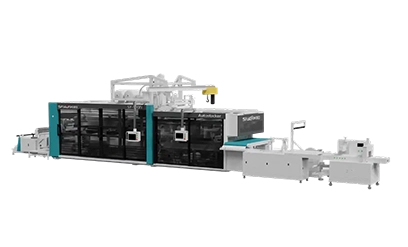
Before engaging suppliers, define your production needs precisely. Key factors include material type (e.g., PP, PS, PET), output capacity (kg/hr), sheet thickness range, and width. For applications like Plastic Sheet Extruder for packaging, consider whether you require a single-layer or multi-layer co-extrusion system. A clear technical specification reduces misunderstandings and shortens the evaluation cycle.
- Output volume: Determine annual production targets and required throughput.
- Material compatibility: Confirm the extruder can process your intended resins, including recycled content.
- Sheet quality: Specify tolerances for thickness uniformity, surface finish, and color consistency.
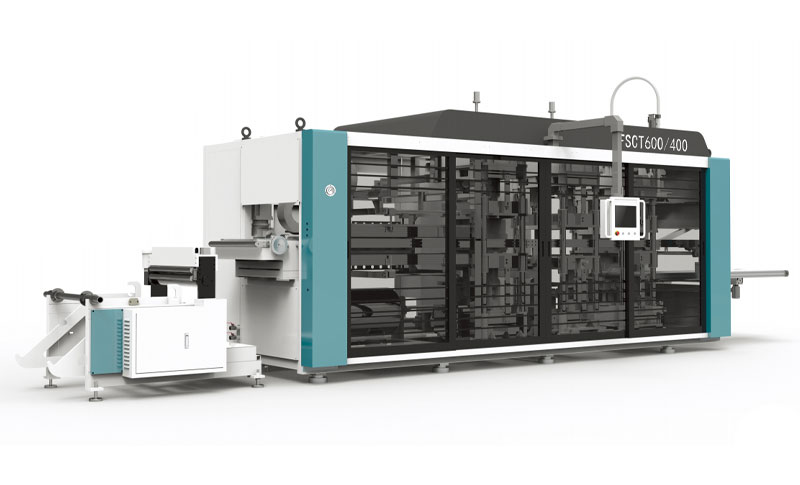
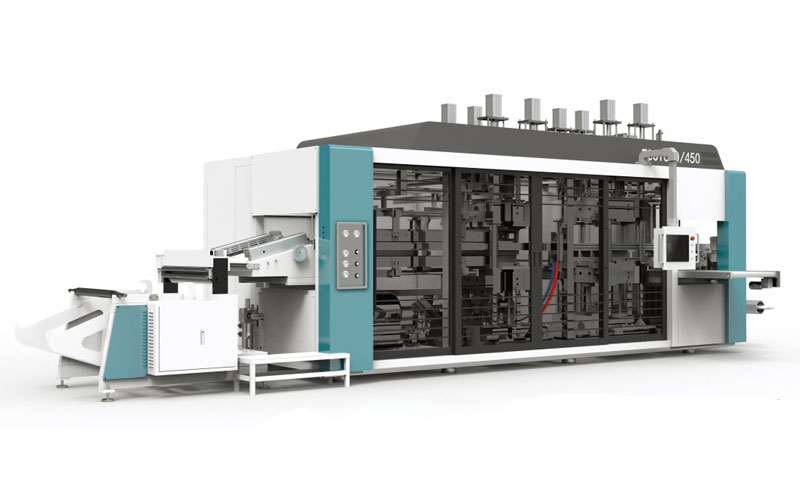
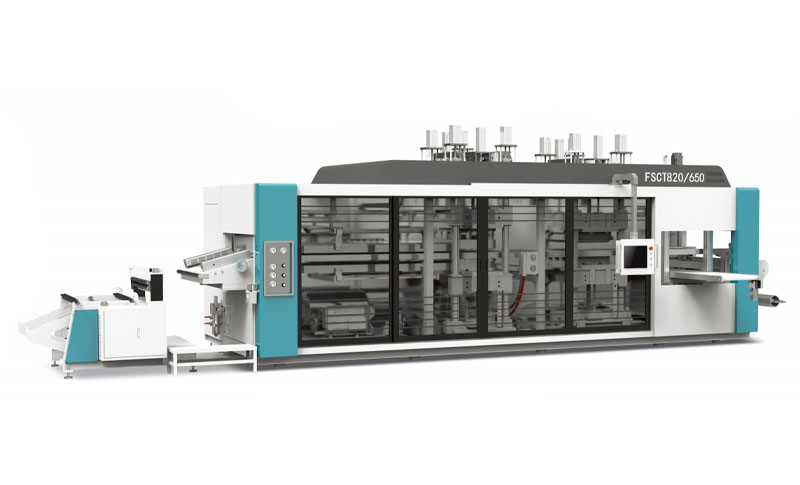
Document these requirements in a request for quotation (RFQ) template to ensure all suppliers respond to the same baseline. For upstream integration, review how the extruder will feed into downstream equipment such as a multi-station thermoforming machine.
2. Evaluating Supplier Capabilities
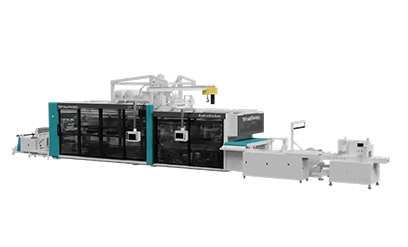
Assess potential suppliers on more than just price. Consider their manufacturing experience, quality certifications, and after-sales support. Visit production facilities or request virtual tours. Key checkpoints include:
- Company history and number of installed extruders globally.
- Quality management system (e.g., ISO 9001) and testing procedures.
- Availability of spare parts and local service engineers.
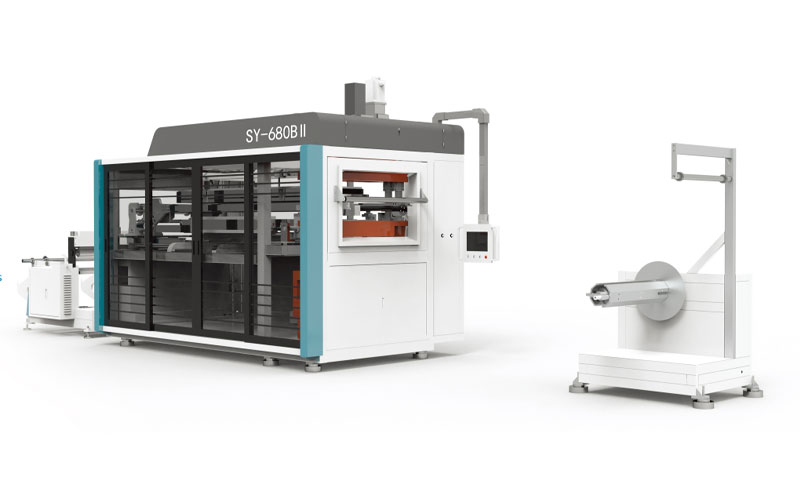
If your line includes forming stations, ensure compatibility with a plastic cup making machine or similar downstream unit. Suppliers familiar with integrated lines often provide better commissioning support.
3. What Should Your RFQ Include?
A structured RFQ minimizes ambiguity. Require suppliers to respond with:
- Technical specifications: screw design, motor power, heating zones, die type.
- Performance guarantees: throughput at defined parameters, energy consumption per kg.
- Delivery timeline, payment terms, and warranty conditions.
- List of included ancillary equipment (e.g., screen changer, melt pump, gauge control).
Request references from similar installations, especially those producing sheet for Plastic Sheet Extruder system for packaging. Validate claims through site visits or video calls.
4. Risk Controls and Cost Tradeoffs
Procurement risk arises from underestimating integration complexity, lead time variability, or hidden costs. Mitigate by:
- Requiring a detailed project plan with milestones.
- Negotiating staged payments tied to deliverables.
- Insisting on factory acceptance testing (FAT) before shipment.
Understand the total cost of ownership (TCO): initial price vs. energy efficiency, maintenance intervals, and spare parts availability. For instance, a cheaper extruder may have higher energy costs or shorter service life. Auxiliary equipment like crushers and conveyors should be factored into the TCO analysis.
| Parameter | Single-Layer Extruder | Multi-Layer Co-Extruder |
|---|---|---|
| Output flexibility | Fixed layer structure; limited to one material blend | Multiple layers allow varied barrier and aesthetic properties |
| Material compatibility | Single polymer or pre-mixed blend | Can combine different polymers, regrind, and virgin |
| Capital investment | Lower: simpler screw and die design | Higher: multiple extruders and feedblocks |
| Maintenance complexity | Lower: fewer components | Higher: more drives, heaters, and control zones |
| Typical sheet applications | General packaging, trays, cups | Food containers requiring barrier layers, decorative effects |
Evaluate which configuration aligns with your product portfolio. If your primary output is single-layer sheet, a simpler machine may suffice; if you plan to expand into high-barrier packaging, a co-extrusion line offers future flexibility.
5. Implementation Outcomes and Next Steps
After selecting a supplier, focus on smooth implementation. Assign a project manager from your team to coordinate installation, training, and ramp-up. Define acceptance criteria for on-site performance testing. Common outcomes to expect:
- Reduced material waste due to precise process control.
- Improved sheet quality meeting target specifications.
- Reliable integration with existing downstream equipment, such as cup making machines.
Plan for ongoing monitoring of key performance indicators: uptime, scrap rate, energy consumption. Work with your supplier to establish preventive maintenance schedules. Document lessons learned for future procurement cycles. For additional reference, review quality standards that apply to extrusion lines.
Frequently Asked Questions
What should buyers understand first about extruder procurement?
Start by mapping your production requirements to extruder capabilities. Understand the material, throughput, and sheet specifications before approaching suppliers. A well-defined RFQ saves time and reduces negotiation friction.
How can teams reduce selection risk?
Use a structured comparison process: issue a detailed RFQ, request references, conduct factory visits or virtual inspections, and insist on FAT. Involve your maintenance and operations team early in the evaluation.
What is the typical lead time for a plastic sheet extruder?
Lead times vary by complexity and supplier workload. Expect 8–16 weeks for standard single-layer machines, longer for multi-layer co-extruders. Always confirm current lead times in writing and include a penalty clause for delays.
Should I buy a complete line or separate components?
Integrated lines from a single supplier simplify installation and warranty, but separate components may offer cost savings. Evaluate your internal engineering capacity. Many buyers prefer a turnkey line that includes Plastic Sheet Extruder approach plus downstream equipment.
How do I compare quotes effectively?
Create a weighted scoring matrix covering price, performance guarantees, delivery, after-sales support, and payment terms. Normalize quotes to the same scope (e.g., include all auxiliary items). Use the comparison table above as a starting point for configuration decisions.
Conclusion
Extruder procurement is a strategic investment that affects production efficiency, product quality, and operating costs. By following this checklist—defining requirements, evaluating suppliers thoroughly, structuring your RFQ, managing risks, and planning implementation—you can make a confident purchase decision. Focus on total cost of ownership rather than upfront price, and leverage supplier expertise during commissioning. For further guidance, explore our resources on extrusion lines and connect with our team for tailored support.