Automotive Thermoforming Solutions

From EV battery trays to interior door panels — SAYEAH delivers heavy-duty thermoforming machines engineered for automotive OEM and Tier-1 supplier requirements. Our FSCT1100/900 — the world's largest multi-station thermoforming machine — processes HIPS, ABS, PP, and PET sheets at forming areas up to 1100×900mm, trusted by automotive parts suppliers in the Volvo and Ford supply chains.

What Types of Automotive Components Can You Produce?

SAYEAH automotive thermoforming machines are engineered to handle the complete range of vehicle components across interior, exterior, powertrain, and electric vehicle applications:

  • Interior Door Panels & Trim — HIPS or ABS door panel substrates, kick panels, pillar trim, and decorative interior components. Often post-finished with fabric lamination, vinyl wrap, or painted surface treatments to meet OEM aesthetic specifications.
  • Dashboard Covers & Instrument Panels — Large-format thermoformed dashboard skins, instrument cluster covers, and center console components. Requires premium surface finish and dimensional stability across wide temperature ranges (–40°C to +90°C cabin conditions).
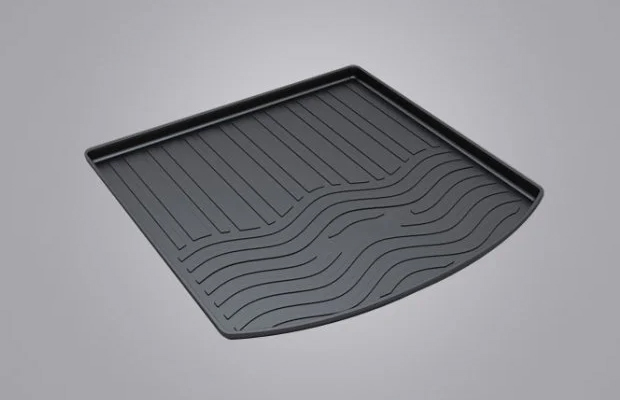
  • Trunk Liners & Load Floor Panels — Rigid ABS or PP trunk liners, cargo area floor panels, spare tire covers, and load-bearing storage compartments. Structural integrity requirements demand uniform wall thickness — a core strength of our servo-stretching technology.
  • EV Battery Trays & Enclosures — Large-format PP or flame-retardant composite battery enclosures for electric vehicles. Critical thermal management and structural containment properties — the fastest-growing segment in automotive thermoforming, driven by global EV adoption.

Plastic Cup Material Comparison

Select the right sheet material for clarity, heat resistance, recyclability & cost — PP, PS, PET, PLA, CPET
Material Transparency Max Temperature Microwave Safe Recyclable
PP (Polypropylene) Translucent to opaque 120°C ✓ Yes Yes (#5)
PS / HIPS (Polystyrene) Opaque (HIPS) or clear (GPPS) 70°C ✗ No Limited (#6)
PET / APET (Polyethylene Terephthalate) Crystal clear 70°C ✗ No Yes (#1)
PLA (Polylactic Acid) Clear 55°C ✗ No ♻ Compostable
CPET (Crystallized PET) Opaque 220°C ✓ Yes (oven-safe) Yes
✅ All materials are food-contact approved when sourced from certified resin suppliers. SAYEAH machines support PP, PS, PET, PLA, CPET.
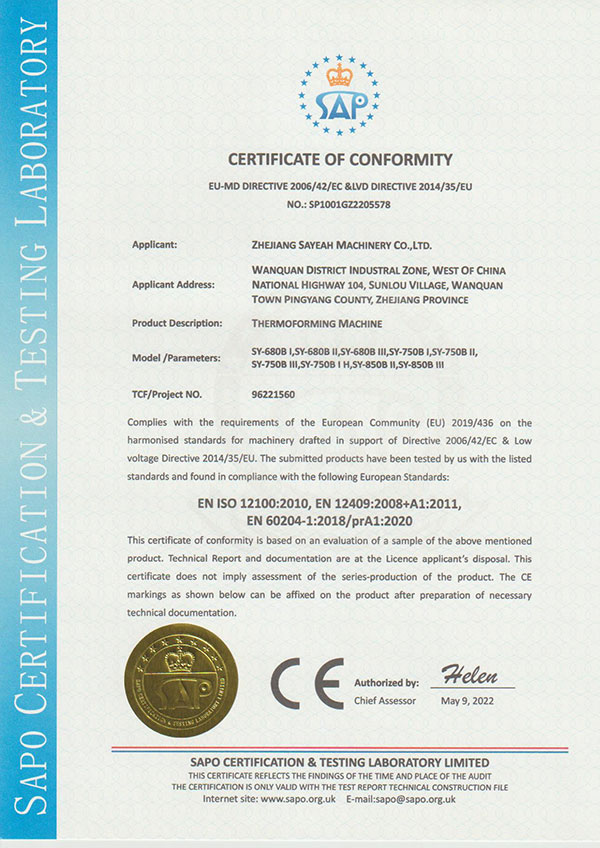
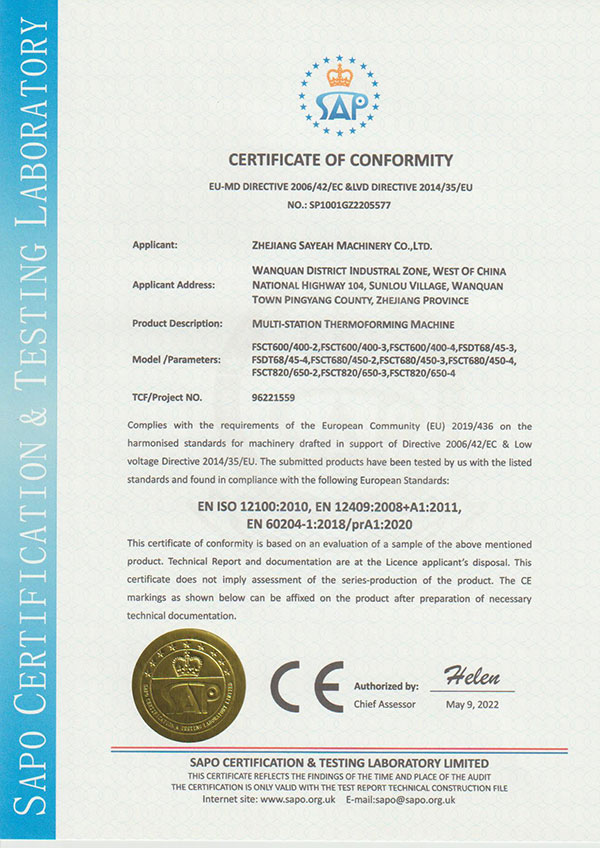
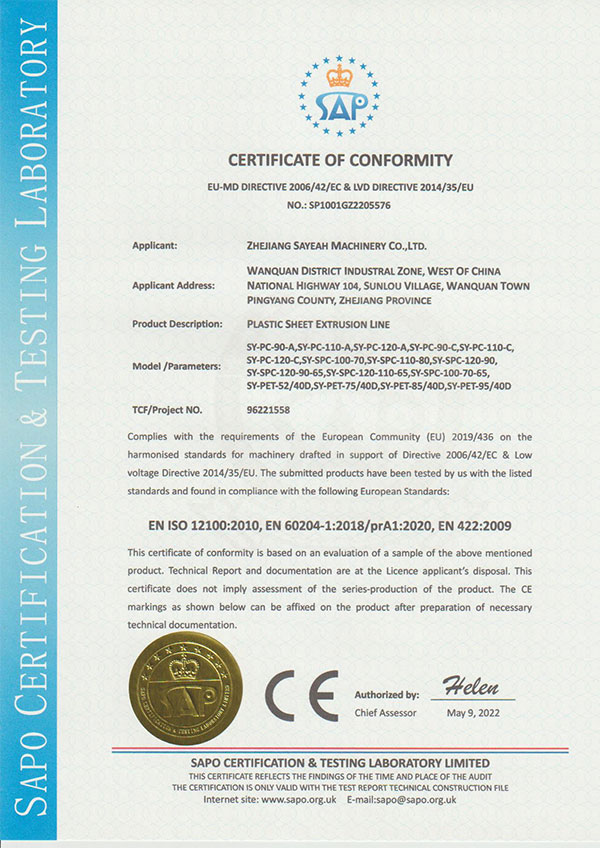
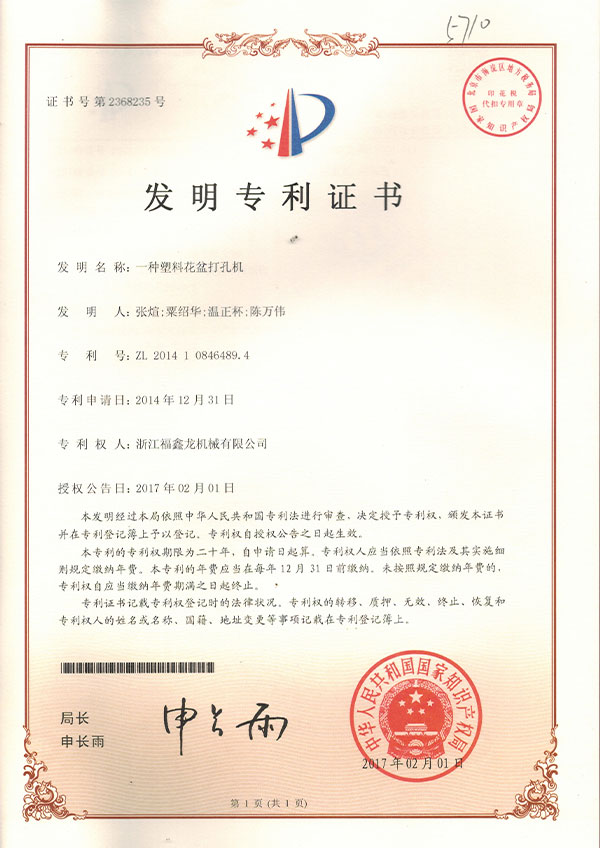
Qualification Certificates
CE Automatic Bops Plastic Thermoforming Machine
CE Multi-Position Thermoforming Machine
CE Plastic Sheet Extrusion Line
Invention Patent Certificate
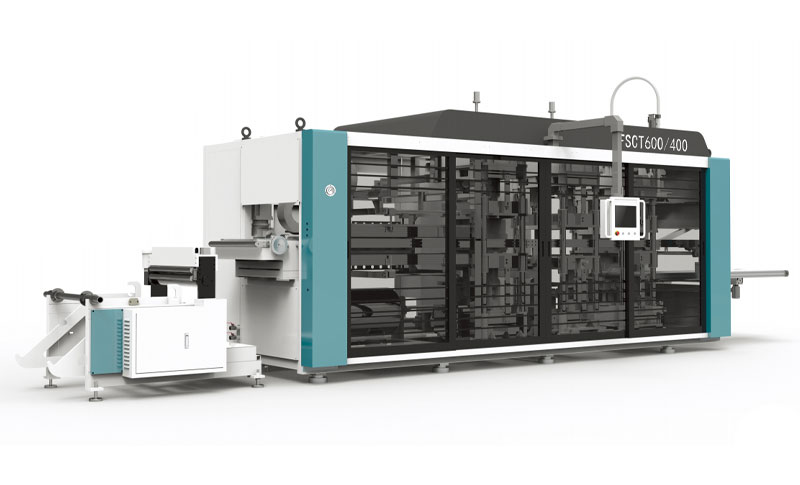
FSCT600/400 SERIES Fully Automatic Pressure Plastic Thermoforming Machine
FSCT600/400
The electric lifting feature of the unwinding station, coupled with the double roll holder, enables effortless loading of rolls weighing up to 1 ton by a single operator, enhancing productivity and convenience.
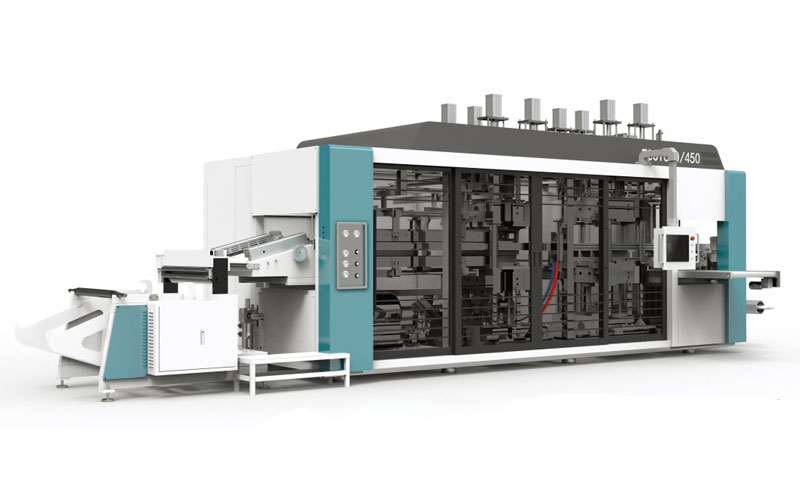
FSCT680/450 SERIES Intelligence Multi-Station Thermoforming Machine
FSCT680/450
European design, suitable for diversified production lines, Safe, efficient, energy-saving and hygienic. Unwinding station electric lifting, double roll holder. Operator-friendly HMl, and the system has the function of remote connection
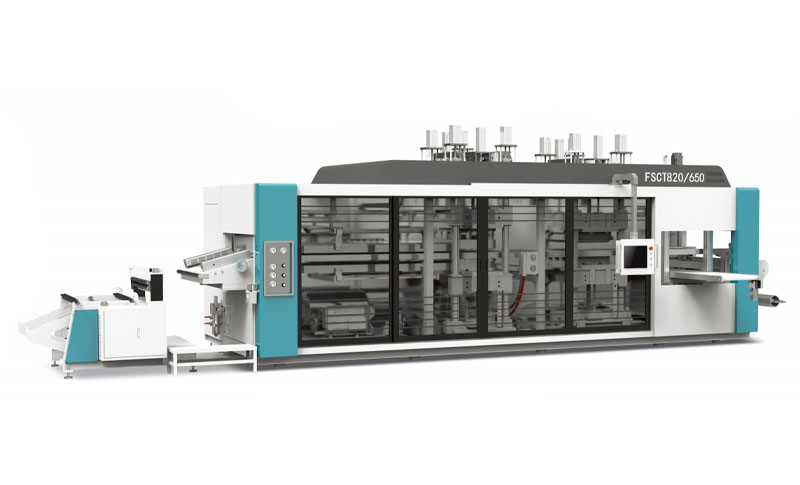
FSCT820/650 SERIES Intelligence Pressure and Vacuum Multi-Station Thermoforming Machine
FSCT820/650
This Thermoforming Machine features a European design, encompassing comprehensive functions that cater to diverse production lines, prioritizing safety, efficiency, energy conservation, and hygiene. Its unwinding station boasts electric lifting and a double roll holder, facilitating the effortless loading of rolls weighing up to 1 ton by a single operator.
Thermoforming Machine

YOU HAVE QUESTIONS - WE'LL ANSWER THEM

MORE VIEW

What is the typical production volume for automotive thermoforming?

Automotive thermoforming economics favor low-to-medium volume programs (5,000 to 250,000 parts per year). This is the sweet spot where thermoforming's lower tooling costs and faster program launches outweigh injection molding's faster per-unit cycle times. For context: a typical passenger vehicle model produces 50,000–200,000 units per year over a 5–7 year lifecycle, making many model-specific interior and exterior components ideal thermoforming candidates. Commercial vehicles, specialty vehicles, and EV models with lower production volumes are especially well-suited to thermoforming economics.

Can your machines produce EV battery enclosures and components?

Why choose thermoforming over injection molding for automotive parts?

Are your machines compatible with automotive OEM quality standards?

Which materials does automotive thermoforming use?

What is the largest automotive part your machines can produce?

GET A QUOTE

Talk to Our Expert.
Name
Email
Tel/WhatsApp
Captcha Code
GET IN TOUCH NOW
Captcha Code
We value your privacy
We use cookies to provide you with a better online experience, analyse and measure website usage, and assist in our marketing efforts.
Accept All