English
 Pусский
 Español
 عربي
عربي

Plastic Cup Making Machine Site & Setup
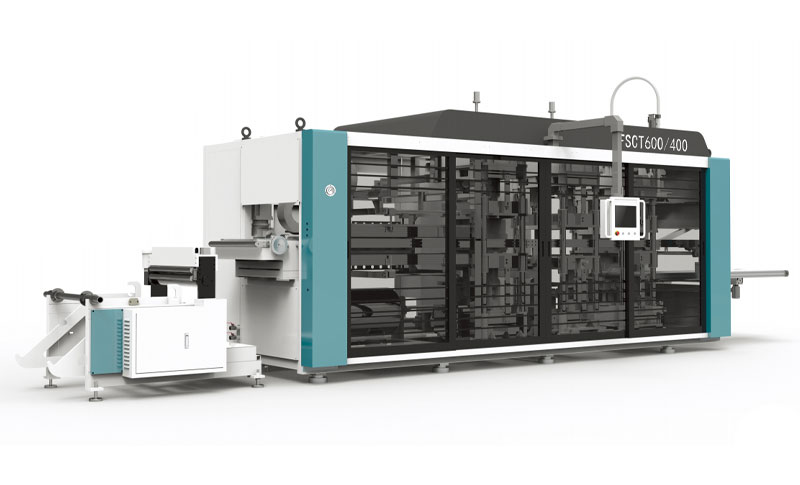
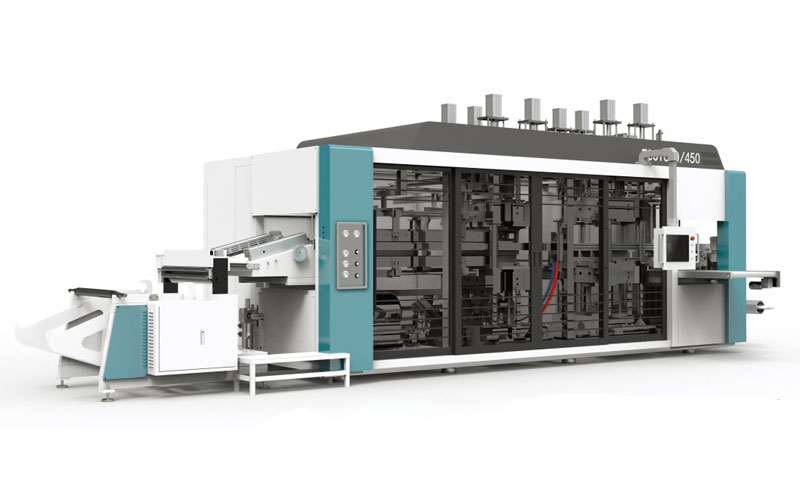
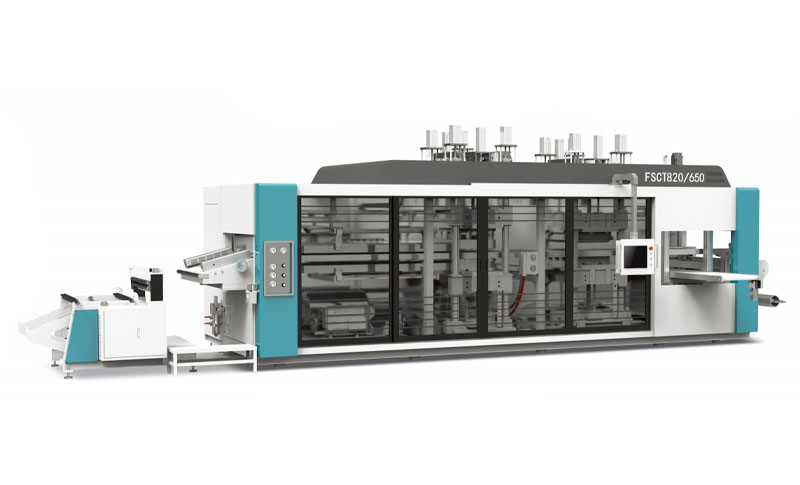
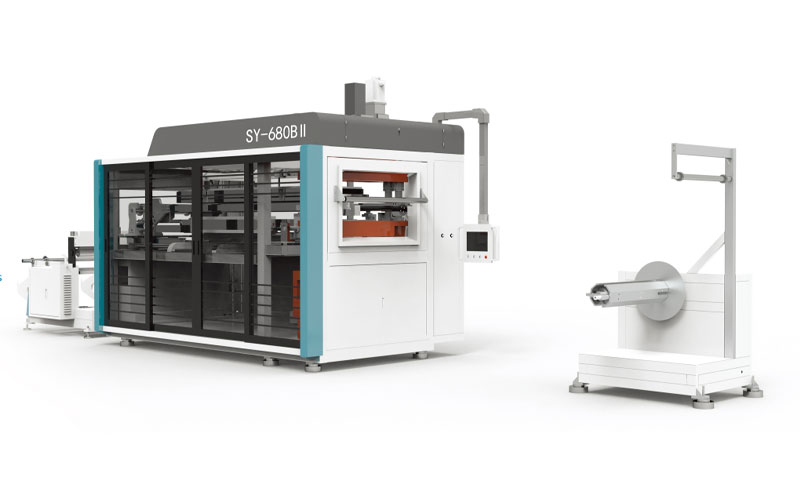
Article Overview: For packaging manufacturers evaluating thermoforming technology, a Plastic Cup Making Machine - Sayeah Machinery solution represents a significant operational investment. This article explores the practical considerations around site planning, equipment delivery, and ongoing maintenance. It is written for technical buyers, engineering managers, and operations leaders who need a clear, educational overview of what deploying a Plastic Cup Making Machine entails, from factory floor preparation to long-term care.
Why Does Site Planning Matter for a Plastic Cup Making Machine?
Before any equipment arrives, the factory floor must be prepared. A thermoforming line is not a standalone unit; it requires utilities, material flow paths, and operator access. For any Plastic Cup Making Machine, site planning directly affects uptime, safety, and long-term cost of ownership. Neglecting this phase can lead to installation delays, performance bottlenecks, and even damage to sensitive components.
From a technical buyer's perspective, three areas demand attention:
- Floor load and footprint: The machine plus peripheral units (unwinder, stacking, crusher) can require substantial space. Confirm your facility's load-bearing capacity and layout before scheduling delivery.
- Utility connections: Compressed air, chilled water, and stable three-phase power are typical. Voltage dips or contaminated cooling water can cause rejects and increase cycle times.
- Material handling zones: Input plastic sheet rolls and output finished cups need clear staging areas to avoid production bottlenecks.
In one hypothetical deployment scenario, a mid-size dairy packaging plant underestimated the electrical load of their auxiliary cooling tower. The resulting voltage sag caused intermittent servo errors until a dedicated power line was installed—a delay easily avoided through early load analysis.
How Are Plastic Cup Making Machines Delivered and Installed?
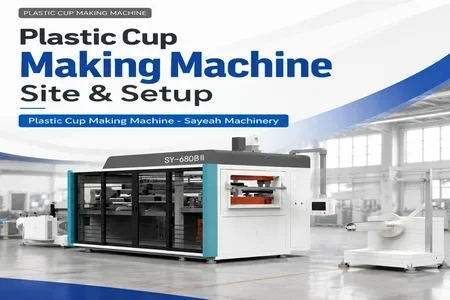
Delivery of a large thermoforming line is a phased process, not a single shipment. Understanding the logistics helps procurement and engineering teams coordinate resources. The timeline can vary, but the following phases illustrate a typical path for a Plastic Cup Making Machine - Sayeah Machinery.
Phase 1: Pre-shipment verification
Before crating, the machine undergoes a complete dry run at the manufacturer's factory. The buyer's engineering team (or appointed third-party inspector) is usually invited to witness the test, check main dimensions, and confirm that all agreed specifications are met. This step reduces the risk of discovering fundamental issues after the equipment has traveled thousands of kilometers.
Phase 2: Ocean and inland freight
The machine is split into modules that fit standard containers or flat racks. Loose items like servo drives and HMI panels are securely packed and marked. A full set of rigging drawings and a center-of-gravity guide are included, critical for safe unloading by the receiving facility's crane or forklift fleet.
Phase 3: On-site commissioning
Once unloaded, a service engineer oversees alignment, leveling, and utility hook-up. Calibration of the heating zones, forming station, and cutting die follows. A test production run with the intended material (PP, PS, or PET) ensures the machine meets output and quality targets. Only after this run is the final acceptance protocol signed.
For many buyers, this sequence is their first experience with heavy industrial equipment import. Assigning a dedicated project manager internally to track each phase prevents miscommunication and keeps the installation on schedule.
What Features Should You Evaluate in a Plastic Cup Making Machine?
Not every cup-making machine suits every product mix. Technical evaluation should go beyond maximum output numbers. Consider these criteria when shortlisting a model from the Plastic Cup Making Machine range:
- Material flexibility: Does the machine handle the grades and thicknesses your customers demand? Multi-layer sheet capability matters if you produce barrier cups for dairy or long-shelf-life applications.
- Mold changeover time: In short-run production, quick-change features (e.g., cartridge heaters, magnetic clamping) drastically reduce downtime between SKUs.
- Integration with downstream equipment: Examine how the machine mates with stacking, rim curling, and printing stations. The entire line's efficiency depends on seamless transfer. Reviewing Auxiliary Equipment options early in the planning phase is a smart approach.
- Control architecture: Open PLC brands (Siemens, Omron, etc.) and remote diagnostic ports make troubleshooting easier for your maintenance team and reduce reliance on proprietary support.
For example, a thermoforming plant producing both thin-wall drinking cups and thicker dessert bowls might benefit from a servo-driven forming station with adjustable stroke depth. That single feature eliminates the need to buy two separate machines, directly affecting return on investment.
What Maintenance Practices Keep a Plastic Cup Making Machine Running Reliably?
Operational longevity depends on a disciplined maintenance regimen. A Plastic Cup Making Machine is built around mechanical, pneumatic, and thermal subsystems that degrade predictably if left unchecked. Engineering managers should establish baseline intervals for these key tasks:
- Weekly: Inspect forming plug alignments, clean cooling fans on servo drives, and check air filter elements. Even slight misalignment can produce cups with inconsistent rim thickness.
- Monthly: Lubricate linear guides and toggle joints according to the manufacturer's chart. Verify heater thermocouple readings against a calibrated reference to avoid thermal drift.
- Quarterly: Examine the cutting die edge condition and re-sharpen or replace as needed. A dull cutting punch strains the press and can create micro-cracks that lead to contamination.
- Annually: Complete a thorough electrical safety audit, torque-check all bolted connections, and replace worn seals in pneumatic cylinders.
Plants that implement these practices frequently report a stable cycle time and fewer unplanned stoppages. Trending the maintenance log against defect rates (e.g., rim tears, stacking failures) helps predict when components should be replaced before they fail.
FAQ
What materials can a Plastic Cup Making Machine process?
Typically polypropylene (PP), polystyrene (PS), polyethylene terephthalate (PET), and PLA. Some models also handle multi-layer sheet for barrier packaging. Material choice affects heating profiles and mold design.
How long does delivery take after order confirmation?
Standard delivery windows for a fully configured line are approximately 60 to 90 days, depending on the specific machine configuration, optional features, and shipping destination. On-site installation and commissioning usually add another 5 to 10 working days.
Does the machine require a specialized operator?
While the HMI is intuitive, operators with prior thermoforming or extrusion experience adapt faster. The supplier typically offers training during commissioning, covering recipe management, fault diagnosis, and basic mechanical maintenance.
Can the machine be integrated with my existing stacking and printing equipment?
Yes, provided the upstream and downstream interfaces (conveyor height, signal protocol, speed synchronization) are clearly specified during the order. A pre-delivery integration review is strongly recommended to avoid field modifications.
Conclusion
Deploying a Plastic Cup Making Machine is a multidisciplinary project that reaches far beyond comparing production speed. Site readiness, logistics coordination, and a clear maintenance program are all critical for long-term success. By understanding the delivery phases, evaluating machine features against real product needs, and planning for auxiliary integration, technical buyers and operations leaders can build a packaging line that remains competitive and predictable. In an industry where downtime translates directly to lost revenue, thorough preparation is not a luxury—it is the foundation of a sound investment.