English
 Pусский
 Español
 عربي
عربي

Plastic Cup Making Machine - Sayeah Machinery Overview
Article Overview: This article provides a technical introduction to the Plastic Cup Making Machine from Sayeah Machinery. It covers how the machine works, its key components, why Sayeah Machinery is a relevant supplier, and a procurement checklist for engineering and operations leaders evaluating thermoforming equipment for cup production.
How Does a Plastic Cup Making Machine Work?
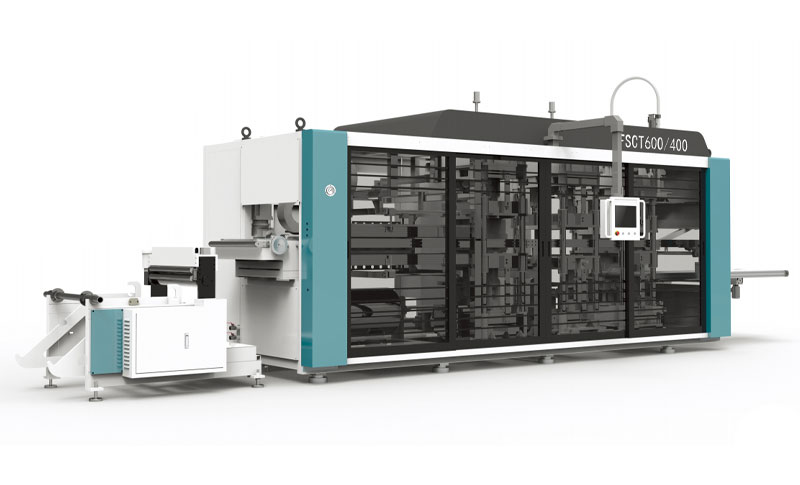
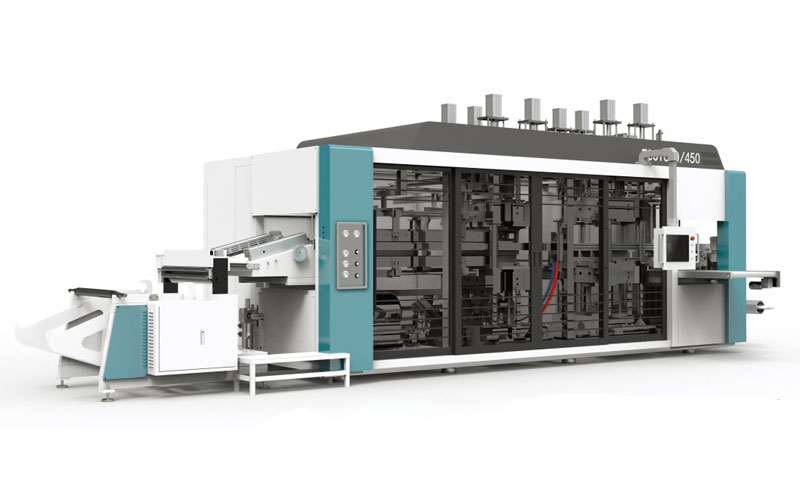
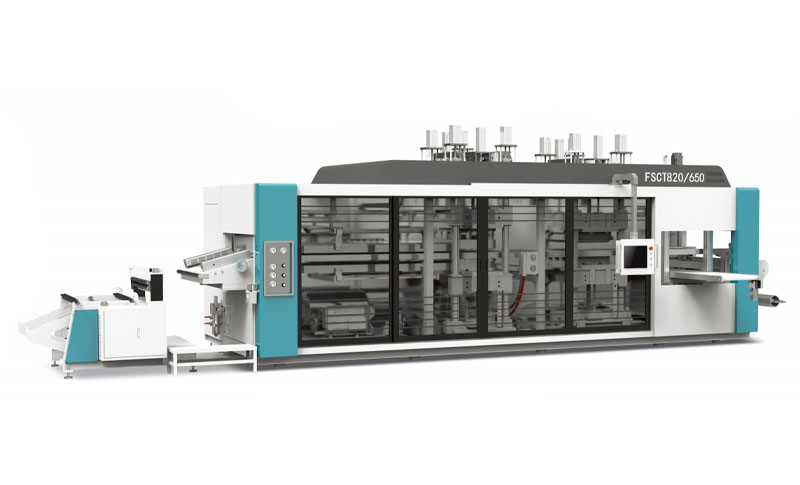
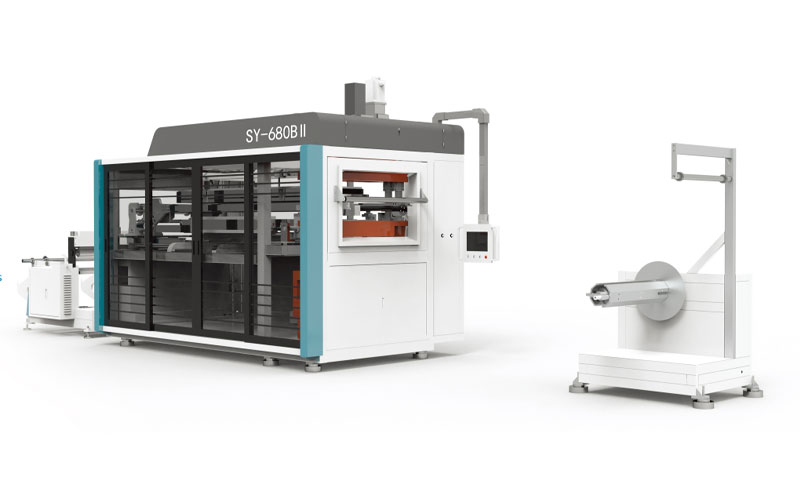
A Plastic Cup Making Machine typically uses thermoforming technology to convert plastic sheets into cups. The process involves heating a plastic sheet until pliable, then forming it over a mold using vacuum or pressure, followed by trimming and stacking. Sayeah Machinery's systems integrate servo-driven stations for precise control and high-speed output.
Step 1: Sheet Feeding
The machine pulls a continuous roll of plastic sheet (e.g., PP, PS, PET) into the heating station. An unwinder ensures tension control.
Step 2: Heating and Forming
The sheet passes through a heating section where infrared heaters raise its temperature to the forming range. It then moves to the forming station where a mold shapes the material into cups using compressed air or vacuum. Servo-driven plug assist may be used for deep-draw cups.
Step 3: Cutting and Stacking
Formed cups are trimmed from the web using a punch or cutting die. The cups are then stacked and counted, often with auxiliary equipment like the Automatic Cup Counting & Packing Machine for downstream automation.
The entire cycle is controlled via PLC, allowing adjustment of temperature, pressure, and timing for different cup designs.
Key Components of a Plastic Cup Making Machine System
A complete production line from Sayeah Machinery includes several interdependent modules. Understanding each component helps in evaluating overall system performance.
- Extruder and Sheet Die: Produces the plastic sheet with consistent thickness. Options include mono-layer or multi-layer co-extrusion for barrier properties.
- Thermoforming Press: The core unit where sheet is formed. Sayeah Machinery offers multi-station configurations for high output.
- Mold Set: Custom-designed for cup dimensions and features (e.g., rolled rims, tapered sidewalls).
- Trimming/Stacking Station: Separates cups from the web and nests them for packing.
- Auxiliary Equipment: Includes rim curling machines, side punching machines, and automatic packing systems to complete the line.
Why Choose Sayeah Machinery for Your Plastic Cup Making Line?
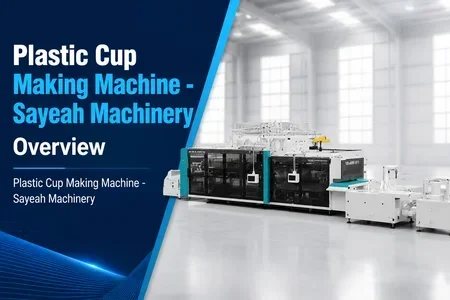
Sayeah Machinery has developed a range of Plastic Cup Making Machine solutions that focus on reliability and efficiency. Their equipment supports multiple materials and cup sizes, with optional add-ons for printing and packing. Technical buyers often evaluate factors such as output speed, mold change time, and energy consumption. Sayeah's machines incorporate servo drives and PLC controls for consistent quality.
- Modular design allows scalability from single-line to multi-line operations.
- Compatibility with industry-standard auxiliary units reduces integration risk.
- Factory support and documentation facilitate maintenance planning.
For a comparison, consider two common system configurations:
Configuration Options
Option A: Basic Line — includes a single-station thermoformer, manual stacker, and separate packing table. Suitable for low-volume or varied production runs.
Option B: High-Speed Integrated Line — includes a multi-station thermoformer with in-line trimming, automatic stacking, counting, and packing. Ideal for high-volume commodity cup production.
Buyer Note: The choice depends on target throughput, labor cost, and product mix flexibility.
Procurement Checklist for Plastic Cup Making Equipment
When evaluating a Plastic Cup Making Machine, technical buyers should follow a structured evaluation process. Below are key steps and considerations.
Phase 1: Define Production Requirements
Determine required cup dimensions, materials (PP, PS, PET, PLA), and target output per hour. Also consider future product variations.
Phase 2: Assess Machine Specifications
Compare forming area, heating capacity, mold stroke, and cycle time. Verify compatibility with sheet width and thickness.
Phase 3: Check Integration with Auxiliary Equipment
Ensure the thermoformer can connect to sheet extruders, stackers, and packing machines from the same or compatible suppliers.
- Review material handling: unwinder, trim winder, scrap conveyor.
- Evaluate control system: PLC brand, HMI interface, remote diagnostics.
- Confirm utility requirements: power, compressed air, cooling water.
- Request documentation: layout drawings, electrical schematics, maintenance manuals.
FAQ
What materials can a Plastic Cup Making Machine process?
Sayeah Machinery's machines typically process PP, PS, PET, and PLA sheets. The choice of material affects heating parameters and mold design.
How long does it take to change molds for a different cup size?
Mold change time depends on machine design; many Sayeah models feature quick-change clamps and alignment guides, reducing downtime to under 30 minutes.
What is the typical output speed of a Plastic Cup Making Machine?
Output varies by cup size and material. For a standard 200ml cup, high-speed machines can produce 50–80 cycles per minute, each forming multiple cavities.
Does Sayeah Machinery provide installation and training?
Yes, they offer on-site installation supervision and operator training as part of the purchase package. Remote support is also available.
Conclusion
Selecting a Plastic Cup Making Machine requires a clear understanding of your production needs and the technology available. Sayeah Machinery provides a comprehensive range of thermoforming solutions with modular components to build a reliable cup production line. By evaluating key parameters and planning for integration, technical buyers can make informed decisions that align with operational goals.