English
 Pусский
 Español
 عربي
عربي

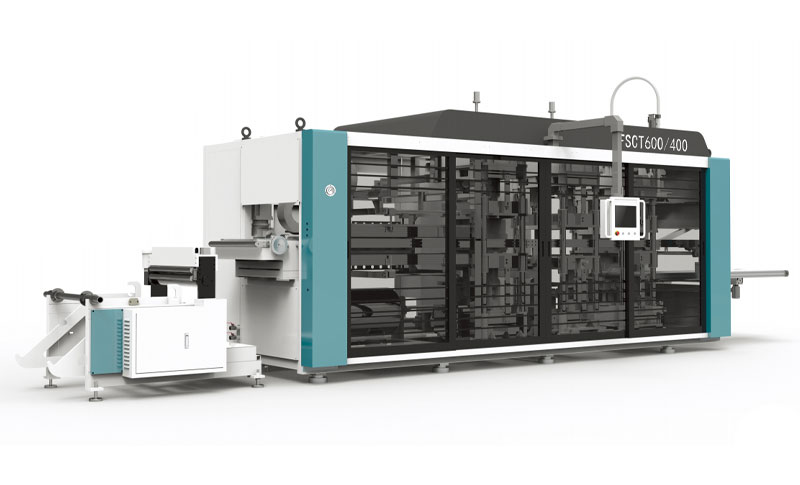
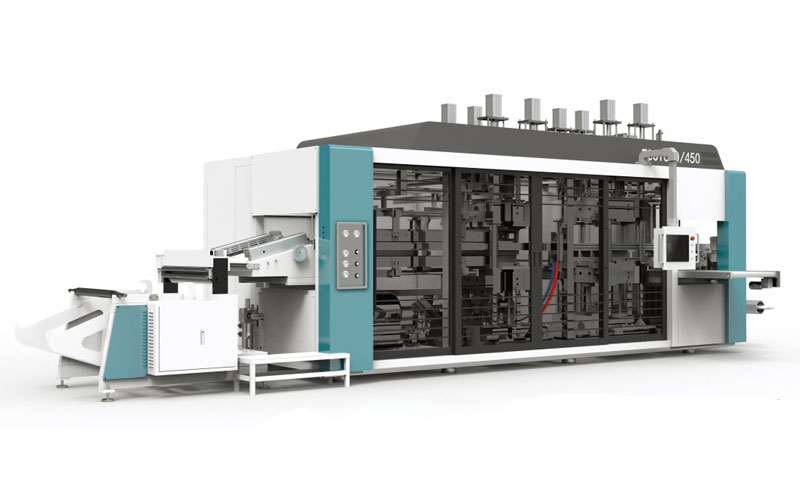
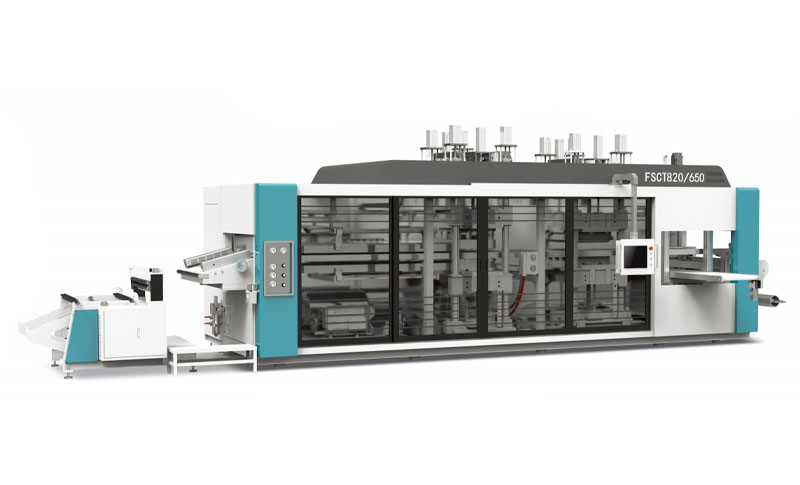
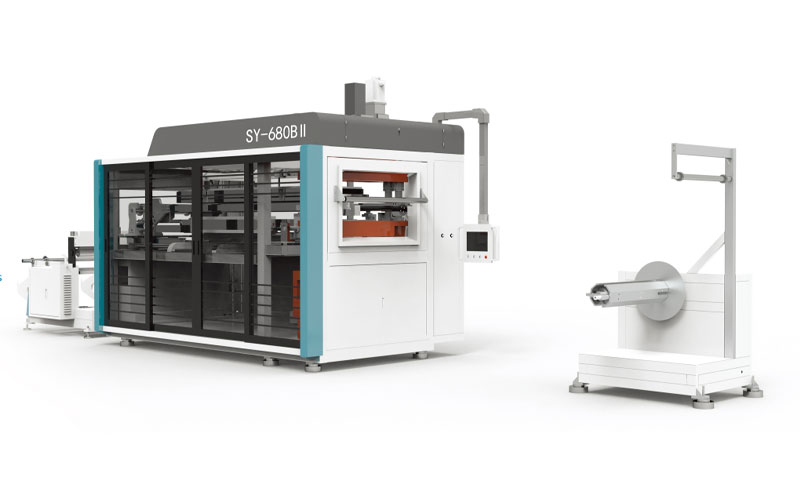
Plastic Cup Making Machine - Sayeah Machinery
Article Overview: This article provides a neutral, criteria-based comparison of Plastic Cup Making Machine - Sayeah Machinery solutions. Intended for CTOs, procurement teams, and evaluation committees, it covers evaluation criteria, specification trade-offs, volume fit, and automation decisions. The goal is to equip buyers with a decision framework rather than promote a single brand.
How to Evaluate Plastic Cup Making Machine - Sayeah Machinery Options?
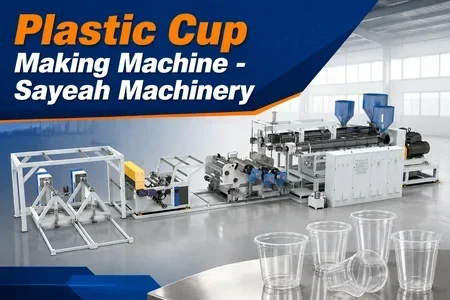
When selecting a Plastic Cup Making Machine - Sayeah Machinery, buyers should assess the following criteria to ensure alignment with production requirements. Each criterion carries different weight depending on intended use, material type, and output volume.
- Throughput range: Match machine cycles per minute to target production volume. Higher speed typically means higher investment and maintenance.
- Material compatibility: Verify support for PP, PS, PET, or PLA. Not all machines handle all materials without modifications.
- Mold changeover time: Frequent product changes require quick-change tooling to minimize downtime.
- Energy consumption: Look at kW ratings and heating efficiency; energy costs affect total cost of ownership.
- Automation level: From semi-automatic to fully integrated lines with stacking, counting, and packing.
Buyers should also consider floor space, operator skill requirements, and after-sales support. A plastic sheet extruder is often paired with the cup machine for inline production.
Comparing Key Specifications: Plastic Cup Making Machine - Sayeah Machinery vs. Alternatives
This table provides a neutral side-by-side comparison of two common configurations. Use it to match your production needs with the appropriate machine type.
| Parameter | Option A: High-Speed Rotary | Option B: Multi-Station Inline |
|---|---|---|
| Throughput (cups/hr) | Up to 40,000 | 10,000–20,000 |
| Material Compatibility | PP, PS primarily | PP, PS, PET, PLA with upgrades |
| Mold Changeover Time | 45–90 minutes | 15–30 minutes |
| Energy Consumption | Higher per cup due to high heat | Moderate, servo-driven options |
| Automation Level | Integrated stacking/packing | Modular automation |
| Ideal Production Volume | Continuous >100k cups/day | Flexible, 30k–100k cups/day |
Comparison: Throughput vs. Flexibility
Option A: High-speed rotary thermoformer
Typical cycle: 30-40 cycles/min; output up to 40,000 cups/hour. Best for long runs of standard cup sizes. Less flexibility for rapid product changes.
Option B: Multi-station inline former
Typical cycle: 15-25 cycles/min; output 10,000-20,000 cups/hour. Allows faster mold changes and supports a wider range of cup depths and diameters.
Buyer note: If your business requires seasonal product variations (e.g., yogurt cups vs. cold drink cups), Option B offers better operational agility despite lower peak throughput.
Comparison: Material Compatibility
Option A: Standard PP/PS machine
Designed primarily for polypropylene and polystyrene. Suitable for most disposable cup markets. May require heater or vacuum adjustments for other materials.
Option B: Multi-material capable machine (PET/PLA)
Includes dedicated temperature zones and oven profiles for PET and PLA. Often includes servo-driven indexing for delicate films. Higher initial cost but expands market into eco-friendly packaging.
Buyer note: Evaluate your target end-use regions: areas with strict single-use plastic bans will require PLA or PET compatibility.
Is Plastic Cup Making Machine - Sayeah Machinery Right for Your Production Volume?
Choosing between a standalone Plastic Cup Making Machine - Sayeah Machinery and an integrated production line depends on volume, budget, and growth plans. Use the following decision flow to narrow options.
Step 1: Determine daily cup output target
Estimate average run size and number of shifts. For volumes below 100,000 cups/day, a single inline former may suffice. Above that, consider a high-speed rotary or multiple lines.
Step 2: Assess material and product mix
If you anticipate switching materials frequently, prioritize machines with programmable heater zones and quick-change tooling. For dedicated lines, fixed tooling reduces capital expenditure.
Step 3: Evaluate automation integration
Determine whether you need downstream equipment such as a plastic sheet extruder for inline production or auxiliary equipment for rim curling, printing, counting, or packing. Full automation reduces labor but increases complexity.
What Are the Key Trade-offs in Automation and Auxiliary Equipment?
Integrating auxiliary equipment can boost line efficiency, but each addition introduces cost, floor space, and maintenance considerations. Below are common trade-offs.
- In-line vs. off-line printing: In-line printers save space but reduce line speed. Off-line printing allows higher throughput of the cup machine but requires a separate operator.
- Automatic stacking vs. manual stacking: Automated stackers reduce labor cost but require precise cup alignment; misaligned stacks can cause jams.
- Counting and packing: Integrated cup counters and bagging machines improve consistency but add upfront investment. For low volumes, manual counting may be more economical.
Buyers should request a total cost of ownership (TCO) analysis that includes energy, consumables, spare parts, and service intervals for each automation option.
FAQ
What materials can a Plastic Cup Making Machine process?
Most machines support PP, PS, and PE. With specialized heating zones, they can also process PET, APET, and PLA. Always verify material compatibility with the supplier for your specific resin grade.
How do I choose between servo-driven and pneumatic machines?
Servo-driven machines offer greater precision, energy efficiency, and easier parameter adjustments. Pneumatic machines are simpler and often lower in initial cost, but may have higher long-term energy consumption and less repeatability.
What is the typical warranty and after-sales support?
Warranty terms vary by manufacturer and configuration. It is advisable to request a written service-level agreement covering response times, spare parts availability, and remote troubleshooting.
Can the same machine produce cups of different sizes?
Yes, through mold change. However, mold tooling costs and changeover time should be factored into your operating model. Quick-change systems reduce downtime but add to initial investment.
How does the Plastic Cup Making Machine - Sayeah Machinery compare in energy efficiency?
Energy efficiency depends on the drive system and heater design. Servo-driven models typically consume less energy than pneumatic ones. Request specific kWh per 1000 cups data from the supplier for a direct comparison.
Conclusion
Selecting a Plastic Cup Making Machine requires balancing throughput, material compatibility, automation level, and total cost. By using a structured evaluation framework—focusing on production volume, material mix, and integration needs—procurement teams can make informed decisions that align with both current operations and growth plans. Whether you choose a high-speed rotary or a flexible multi-station inline, always conduct on-site trials and request validated throughput data before purchase. For further guidance, refer to the Plastic Cup Making Machine resource page for detailed specifications and application examples.