English
 Pусский
 Español
 عربي
عربي

A Plain-Language Guide to Sheet Extrusion Machines: Applications, Buyer Checkpoints, and What to Validate Before Purchase
Article Overview: This guide provides procurement managers, sourcing teams, and project engineers with a practical framework for evaluating sheet extrusion machine suppliers and preparing an effective RFQ. It covers key applications, vendor evaluation criteria, RFQ checklists, and validation steps to reduce procurement risk. The focus is on helping high-intent buyers make informed decisions based on operational fit and long-term reliability.
What Are the Key Applications of Sheet Extrusion Machines?
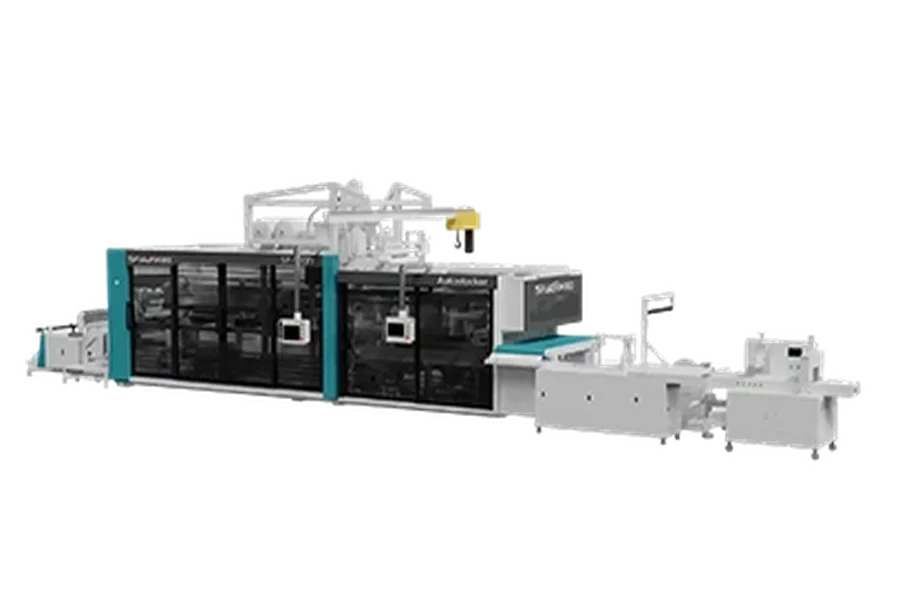
Sheet extrusion machines convert plastic raw materials into continuous flat sheets of uniform thickness. These sheets serve as feedstock for downstream processes such as thermoforming, printing, and lamination. Common end products include plastic cups, trays, containers, and packaging materials. The machine type – mono-layer, multi-layer, or co-extrusion – depends on the desired sheet properties and final application. For example, a multi-layer co-extrusion line can combine different polymers to achieve barrier properties or cost savings.
Procurement teams should map their product portfolio to the technical capabilities of different extrusion lines. For instance, a high-speed thermoforming operation may demand a sheet extruder that delivers consistent gauge control and high output. Conversely, a specialized packaging application might require multi-layer capability. Aligning machine specifications with actual production needs prevents overspending or underperformance.
| Option A: Mono-Layer | Option B: Multi-Layer Co-Extrusion |
|---|---|
| Lower capital investment; simpler operation and maintenance | Higher capital cost; more complex operation but enables functional layers (barrier, color, recycled core) |
| Typical output: 200–500 kg/h (varies by machine) | Typical output: 300–800 kg/h (varies by configuration) |
| Gauge tolerance: ±5% typical | Gauge tolerance: ±3% typical with advanced control |
| Material throughput: single polymer or blend | Material throughput: up to 5–7 layers combining different polymers |
| Energy consumption: ~0.3–0.5 kWh/kg | Energy consumption: ~0.4–0.6 kWh/kg (due to additional extruders) |
| Best suited for: standard thermoforming, general packaging | Best suited for: barrier packaging, colored products, recycled content integration |
Evaluate these trade-offs against your product specifications and margin targets. For detailed product specifications, refer to the Plastic Sheet Extruder solution as a reference point for feature comparison.
Critical Vendor Evaluation Criteria for Sheet Extrusion Machines
When evaluating suppliers, focus on factors that directly affect your production uptime, product quality, and total cost of ownership. The following criteria form a practical starting point for vendor assessments:
- Output consistency: Evaluate the machine's ability to maintain uniform sheet thickness across the width and over time. Request data on gauge variation and melt temperature control.
- Material compatibility: Confirm the extruder can process the polymers you intend to use, including recycled or biodegradable materials. Co-extrusion lines should support your required layer structure.
- Energy efficiency: Compare specific energy consumption (kWh per kg of output). Efficient machines reduce operating costs and may qualify for sustainability incentives.
- Automation and control: Look for PLC-based systems with recipe management, real-time monitoring, and remote diagnostics. These features improve repeatability and reduce operator dependency.
- After-sales support: Assess the supplier's installation, training, and spare parts availability. A responsive service network minimizes downtime. Check the supplier's quality management and certifications for process control.
Use these criteria to shortlist vendors and request detailed technical proposals. Avoid relying solely on quoted price; consider lifecycle costs and production efficiency.
How to Prepare an RFQ for a Sheet Extrusion Machine
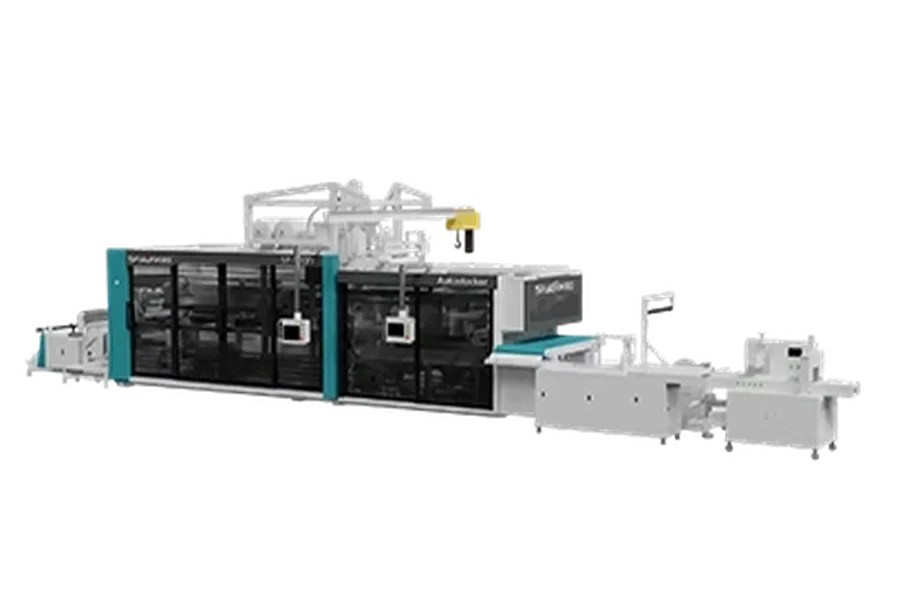
A well-structured RFQ reduces ambiguity and helps suppliers provide accurate, comparable quotes. Include the following elements in your RFQ document:
- Production requirements: Specify desired output (kg/h or sheets/min), sheet width, thickness range, and material types.
- Quality standards: List acceptable tolerances for gauge variation, surface finish, and mechanical properties.
- Integration needs: Describe how the extruder will interface with downstream equipment such as a thermoforming machine or cup making machine. Mention any auxiliary equipment like crushers or stacking robots, and refer to the auxiliary equipment options.
- Utilities and footprint: Provide available floor space, power supply, and cooling water conditions.
- Certifications and compliance: State required safety standards, electrical codes, or environmental regulations.
- Timeline and budget: Indicate target delivery date and budget range to filter unrealistic proposals.
Send the RFQ to at least three qualified suppliers to benchmark proposals.
Validating Performance and Reliability Before Purchase
After receiving proposals, conduct a structured validation to confirm that the machine will meet your production targets. Include the following steps:
- Factory acceptance test (FAT): Witness a test run using your material and specified conditions. Verify output rate, sheet quality, and automation functions.
- Reference site visits: Visit installations of the same model to observe long-term performance and operator feedback. Ask about the supplier's history and experience in your industry segment.
- Spare parts and consumables: Confirm availability and lead times for critical wear parts such as screws, barrels, and screens.
- Service agreement: Review warranty terms, response times, and remote support options. Consider an extended warranty for critical components.
These validation activities reduce the risk of post-purchase surprises and build confidence in your investment.
FAQ
What is the typical lead time for a sheet extrusion machine?
Lead times vary by configuration and supplier. Standard single-layer extruders may require 8–12 weeks, while custom multi-layer lines can take 16–24 weeks. Always confirm the lead time in writing and include it in your project schedule.
How do I choose between mono-layer and multi-layer co-extrusion?
Your choice depends on the final product's barrier requirements, cost targets, and aesthetic needs. Mono-layer is simpler and lower in capital cost. Multi-layer co-extrusion offers functional benefits like oxygen barriers or color layers but requires higher investment and more complex operation. Evaluate the trade-off based on your product specifications and margin. See the comparison table in the applications section for key parameters.
What maintenance is required for a sheet extrusion machine?
Routine maintenance includes cleaning the screw and barrel, checking air filters, and monitoring gearbox oil levels. Scheduled replacement of wear parts (dies, screws, filters) is necessary. A preventive maintenance plan from the supplier is recommended to maximize uptime.
Can a sheet extrusion machine process recycled plastics?
Many modern extruders can handle a percentage of post-consumer regrind, but the design must accommodate variations in melt flow and contamination. Specify your recycled content target in the RFQ so the supplier can recommend the appropriate screw design and filtration system.
Conclusion
Selecting a sheet extrusion machine is a significant capital decision that directly impacts production efficiency, product quality, and operating costs. By following a structured evaluation process – understanding your application needs, assessing vendors against key criteria, preparing a detailed RFQ, and validating performance before purchase – you can mitigate risks and make a confident investment. Start by reviewing the capabilities of proven equipment platforms like the Plastic Sheet Extruder system, and use this guide as a framework for your procurement project.