Comparing Sheet Extrusion Machines: How to Evaluate Mono-Layer and Multi-Layer Systems for Your Production Line
Article Overview: Selecting the right sheet extrusion machine is a critical decision for any plastics processing line. This article provides a neutral, analytical comparison of mono-layer and multi-layer sheet extrusion systems. It covers technical differences, integration with downstream equipment, specification trade-offs, and a buyer-side decision framework. The goal is to help technical architects, procurement teams, and evaluation committees make informed choices based on objective criteria, not hype.
What Are the Key Differences Between Mono-Layer and Multi-Layer Sheet Extrusion Machines?

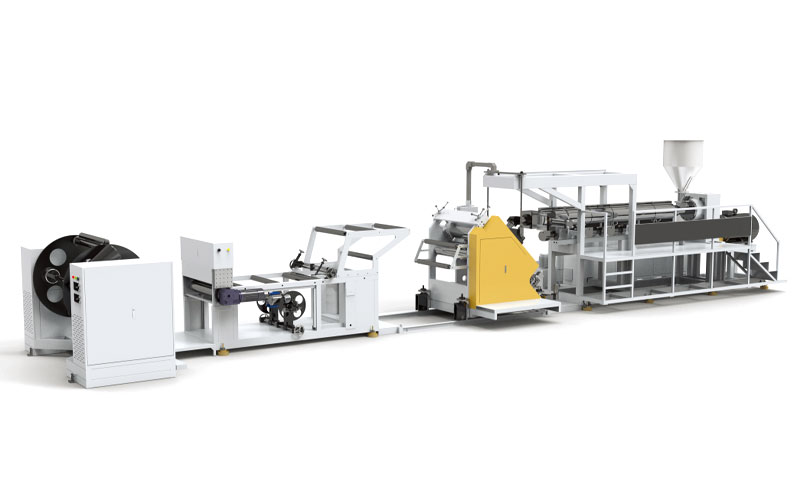
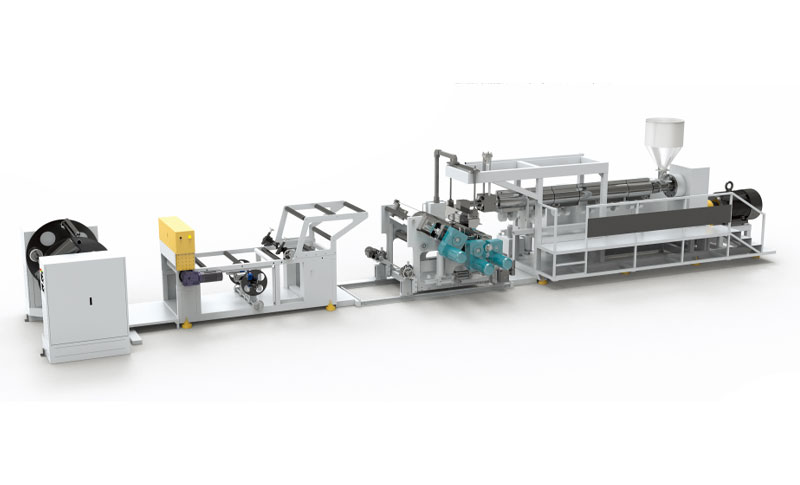
Sheet extrusion machines are typically categorized by the number of layers they can produce. The two main configurations are mono-layer and multi-layer (often co-extrusion). Understanding their fundamental differences is the first step in any selection process.
- Layer structure: Mono-layer machines produce a single homogeneous sheet from one polymer or blend. Multi-layer machines (co-extruders) combine two or more melt streams to create a laminated sheet with distinct material properties per layer.
- Material flexibility: Mono-layer lines are simpler and best suited for single-material applications (e.g., PP, PS). Multi-layer lines allow combining materials like barrier polymers, recycled content, or color layers in one pass.
- Capital cost: Mono-layer extruders generally have lower upfront investment. Multi-layer systems require additional extruders, dies, and control systems, increasing cost and complexity.
- Operating complexity: Mono-layer lines are easier to operate and maintain. Multi-layer lines demand precise control of melt temperatures, pressures, and layer thickness ratios.
- Product capability: Multi-layer extrusion enables functional properties (e.g., oxygen barrier, heat sealability) that mono-layer cannot achieve without post-processing.
Choosing between them depends on your end-product requirements, production volume, and material strategy. For example, a mono-layer sheet extrusion machine may suffice for standard cup stock, while barrier food packaging may mandate co-extrusion.
How Do Sheet Extrusion Machines Integrate With Downstream Thermoforming Equipment?

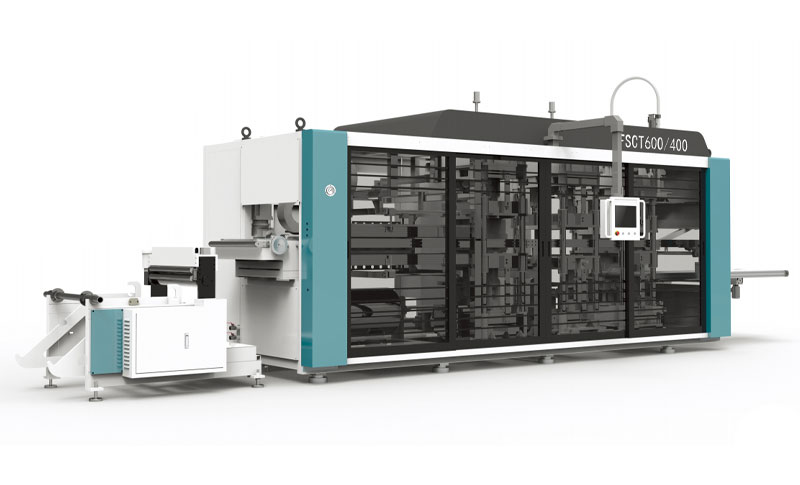
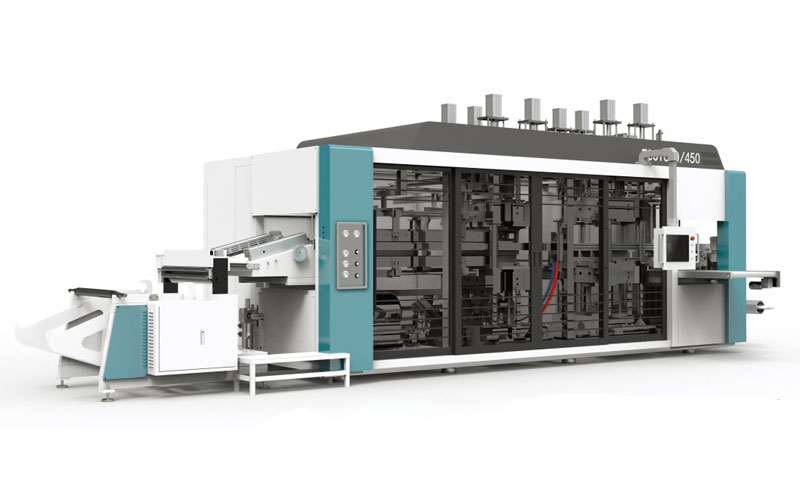
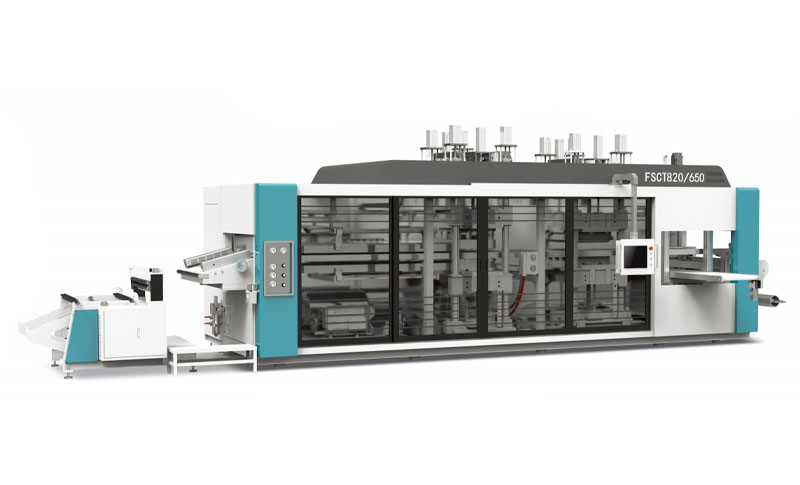
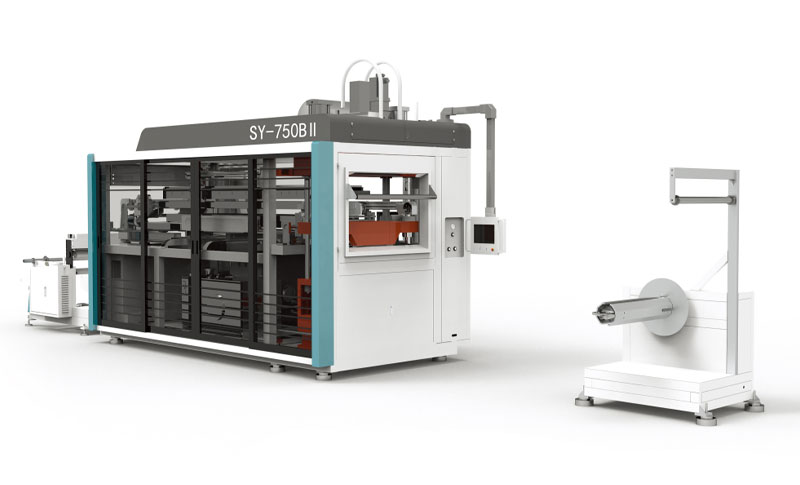
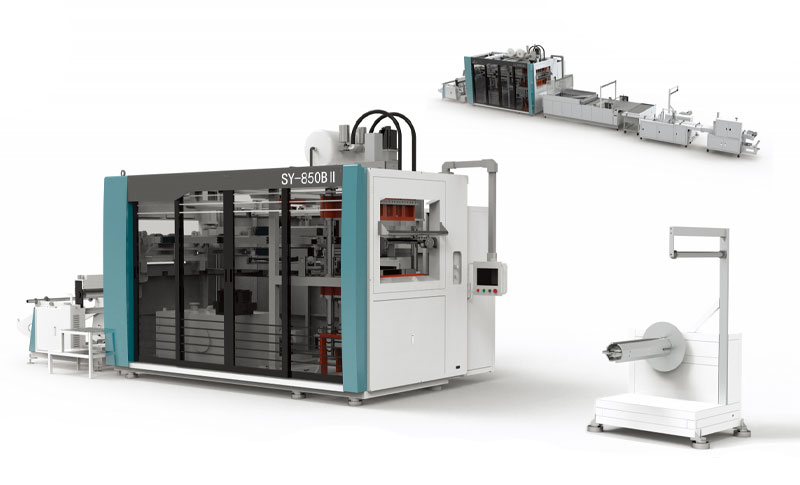
In a typical plastic cup production line, the sheet extrusion machine feeds directly into a thermoforming machine. The compatibility between these two systems is a major evaluation criterion.
Key integration factors include:
- Sheet width and gauge: The extruder must produce a sheet width and thickness range that matches the forming station of the plastic cup making machine. Most thermoformers accept a defined width window (e.g., 600–800 mm) and gauge tolerance (e.g., 0.3–1.5 mm).
- Line speed synchronization: The extruder’s take-off speed should align with the thermoformer’s indexing rate. Mismatch can cause sheet sagging or tearing.
- Material consistency: The extruder must deliver uniform melt temperature and viscosity to avoid gauge variations that cause forming defects. Multi-layer systems add complexity—each layer must be thermally compatible.
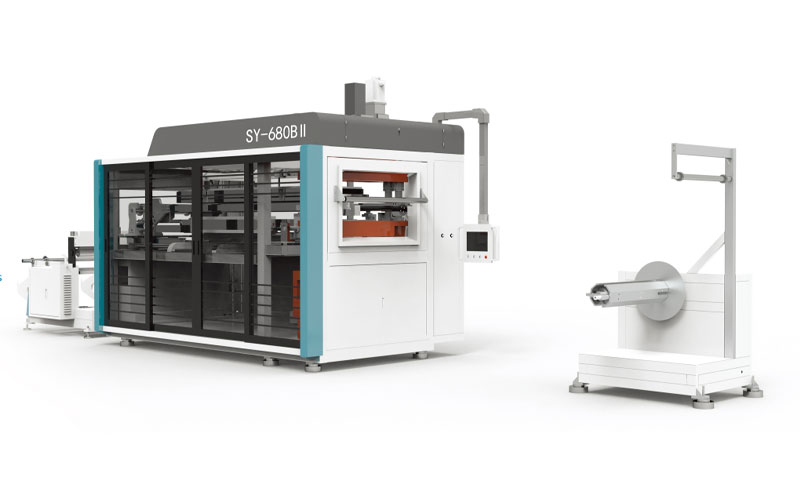
- In-line vs. off-line: Some operations run extruder and thermoformer in-line (continuous), others use sheet winding for later use. This choice affects extruder design (e.g., winder vs. direct feed).
For high-speed cup production, a multi-station thermoforming machine often pairs with a high-output sheet extrusion line. It is essential to validate the extruder’s throughput against the thermoformer’s maximum forming cycles to avoid bottlenecks.
Specification Comparison: Mono-Layer vs. Multi-Layer Sheet Extrusion Lines
Key specification comparison
| Criterion | Mono-Layer Option | Multi-Layer Option | Buyer Note |
|---|---|---|---|
| Layer structure | Single layer (homogeneous) | 2–7 layers (co-extruded) | More layers increase flexibility but add cost |
| Throughput (kg/h) | Varies by configuration | Varies by configuration | Depends on screw design and motor power |
| Material flexibility | Limited to one polymer or blend per run | Multiple materials in one sheet | Multi-layer enables barrier/recycled content |
| Initial investment | Lower | Higher | Factor in cost of additional extruders |
| Operating complexity | Lower | Higher | Requires skilled operators for co-extrusion |
| Maintenance requirements | Standard | More extruder components to maintain | Consider spare parts and service intervals |
| Energy consumption per kg | Generally lower | Generally higher | Energy use scales with number of drives |
| Common applications | Cups, lids, trays, general packaging | Barrier packaging, decorative sheets, high-performance films | Match to your product portfolio |
This table is a starting point. Every production line has unique constraints. Use it as a checklist when discussing specifications with potential suppliers.
What to Consider When Sizing a Sheet Extrusion Machine for Your Line?

Sizing a sheet extrusion machine involves more than just throughput. It requires a holistic view of your entire production process, from material handling to finished product quality. Here are critical decision checkpoints:
- Existing line compatibility: Does your current auxiliary equipment (crushers, cooling towers, conveying systems) match the extruder’s output? For example, an on-line crusher must handle the trim scrap from the extruder without creating bottlenecks.
- Space and layout: Measure available floor space. Multi-layer lines with multiple extruders require more length and side clearance. Also consider access for maintenance.
- Power and utility requirements: Larger extruders need higher electrical capacity and cooling water flow. Verify your plant’s utility infrastructure can support the new machine.
- Future scalability: If you plan to add co-extrusion later, choose a mono-layer extruder that can be upgraded with additional extruders, or invest in a multi-layer system from the start.
- Quality control: Look for features like melt pressure monitoring, gauge control, and automatic die gap adjustment. These are available on both mono-layer and multi-layer machines from reputable manufacturers like Sayeah.
- After-sales support: Check the supplier’s service network, spare parts availability, and training programs. A certified supplier with a proven track record reduces operational risk.
For example, a hypothetical medium-sized cup manufacturer replacing an old mono-layer extruder might prioritize higher throughput and gauge consistency, while a new entrant aiming for barrier packaging should evaluate multi-layer options. Always validate specifications with the supplier using your actual materials.
FAQ
What is a sheet extrusion machine?
A sheet extrusion machine melts plastic resin and forms it into a continuous flat sheet of uniform thickness. It is the upstream component in lines producing thermoformed products like cups, trays, and lids.
What are the main types of sheet extrusion machines?
The two main types are mono-layer (single extruder, single layer) and multi-layer (co-extrusion with two or more extruders combining layers in the die).
How do I decide between a mono-layer and multi-layer sheet extrusion machine?
Base your decision on the required sheet properties. If you need barrier properties (e.g., oxygen, moisture) or aesthetic layers, choose multi-layer. For standard applications with one material, mono-layer is cost-effective.
Can a mono-layer extruder be upgraded to multi-layer later?
In some designs, additional extruders and a co-extrusion feedblock can be retrofitted, but it is rarely as efficient as a purpose-built multi-layer line. Consult the manufacturer for upgrade paths.
What auxiliary equipment is needed with a sheet extrusion machine?
Common auxiliary equipment includes cooling towers, crushers for edge trim, winders or automatic cutting/stacking machines, and temperature control units. Explore auxiliary equipment options.
Conclusion
Choosing between a mono-layer and a multi-layer sheet extrusion machine is a strategic decision that affects production flexibility, product quality, and total cost of ownership. There is no universal winner—the right choice depends on your material requirements, integration with downstream equipment, and long-term business goals.
Use the comparison framework in this article to structure your evaluation. Start by defining your product mix, then assess technical fit, operating implications, and supplier capabilities. A thorough buyer-side analysis—including quality certifications and references—will lead to a more sound investment. For further reading, review our guide on Plastic Sheet Extruder solutions to see how different configurations align with common production scenarios.
Related site pages: Plastic Sheet Extruder, Home, Your Product, Multi Station Thermoforming Machine, Plastic Cup Making Machine, Auxiliary Equipment.