English
 Pусский
 Español
 عربي
عربي

Sheet Extrusion Machine in the Field: Delivery, Payoff, and Where the Line Stops
Article Overview: This article provides an evidence-led, practical explanation of sheet extrusion machines for technical and procurement decision-makers. It covers the core process, implementation considerations, financial return metrics, and how the extruder fits into a complete production line. The focus is on building understanding before any purchase decision.
What Is a Sheet Extrusion Machine and How Does It Work?
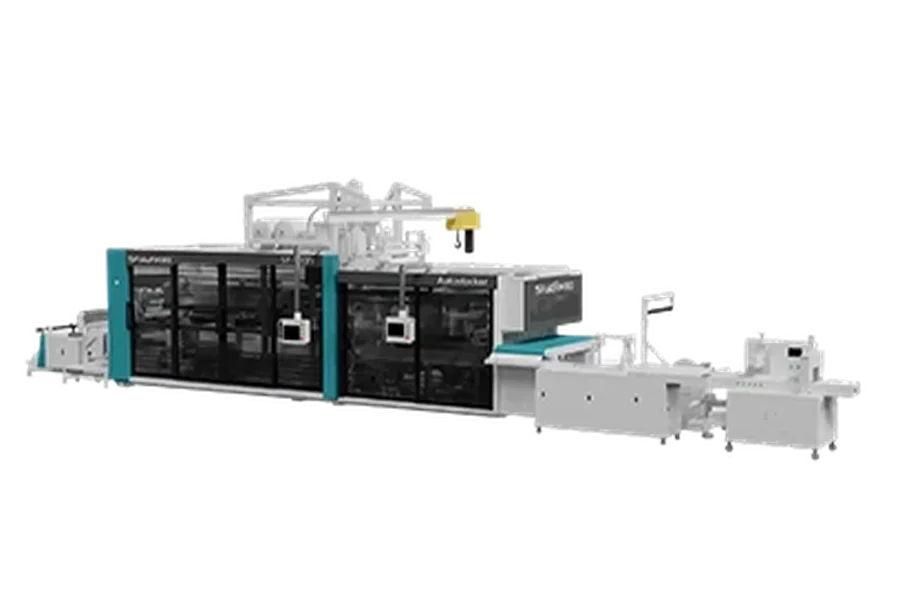
A sheet extrusion machine is a production system that converts thermoplastic raw materials (such as PP, PS, or PET) into continuous flat sheets of uniform thickness and width. These sheets are the starting material for thermoforming, packaging, and industrial applications. The machine typically consists of an extruder, a die, a polishing unit (calendar stack), a cooling section, and a winder or cutter.
The process begins when plastic pellets are fed into a heated barrel where a rotating screw melts and homogenizes the material. The molten plastic is then forced through a flat die to form a continuous sheet. Immediately after exiting the die, the sheet passes through a set of polished rollers that control thickness and surface finish. Cooling is achieved via air or water baths, after which the sheet is wound into rolls or cut to length. This basic architecture applies to both mono-layer and co-extrusion lines, with multi-layer systems using additional extruders to combine materials with different properties.
Why Integration Matters: Delivery, Setup, and Line Compatibility
Implementing a sheet extrusion machine is not just about the extruder itself – it requires careful planning for delivery, installation, and integration with upstream material handling and downstream conversion equipment. Typical delivery includes the extruder body, die, polishing stack, cooling section, and control cabinet. Some suppliers offer containerized solutions to simplify transport and on-site positioning.
Setup involves aligning the machine footprint with existing factory layout, ensuring adequate power supply (often 380-480 V three-phase), compressed air, and chill water. The polishing unit must be level and parallel to produce uniform sheet thickness. Integration with a Plastic Sheet Extruder solution often includes linking to upstream mixers, downstream thermoformers, and in-line recycling equipment. For example, a continuous production line might feed the extruded sheet directly into a multi-station thermoforming machine that produces cups, trays, or lids.
Key integration checkpoints include:
- Material handling: drying and dosing systems for hygroscopic resins like PET
- Die width and sheet width compatibility with downstream forming tools
- Line speed synchronization between extruder, polishing unit, and winder
- In-line scrap recovery: edge trim or rejected sheet can be granulated and reintroduced
For a complete line overview, see the Multi Station Thermoforming Machine and Plastic Cup Making Machine pages.
How to Evaluate the Payoff of a Sheet Extrusion Machine?
The financial return of a sheet extrusion machine depends on throughput, material yield, energy efficiency, and uptime. For early-stage research, the key is to model total cost of ownership (TCO) rather than just purchase price. Major cost drivers include:
- Energy consumption per kilogram of output (kWh/kg) – modern machines can achieve 0.3–0.5 kWh/kg for common materials
- Material waste during startup and product changeover – typical waste from 2% to 5% of output
- Maintenance intervals for screen changers, die cleaning, and roll polishing
- Operator training and labor requirements
Revenue potential is driven by sheet quality (gauge tolerance, surface finish, optical clarity) and line speed. A typical sheet extrusion line can produce 200–600 kg/hour depending on material and width. Higher speeds and better quality allow faster downstream conversion and fewer rejects. To assess payoff, buyers should request from potential suppliers a written performance test report for their target material, including thickness variation across the web (less than ±1% is considered excellent).
Return on investment (ROI) analysis should also factor in the cost of auxiliary equipment such as Auxiliary Equipment like crushers, water cooling towers, and stacking systems. These can add 15–30% to total line investment but are often essential for continuous operation.
Where the Line Stops: Integration with Downstream Equipment
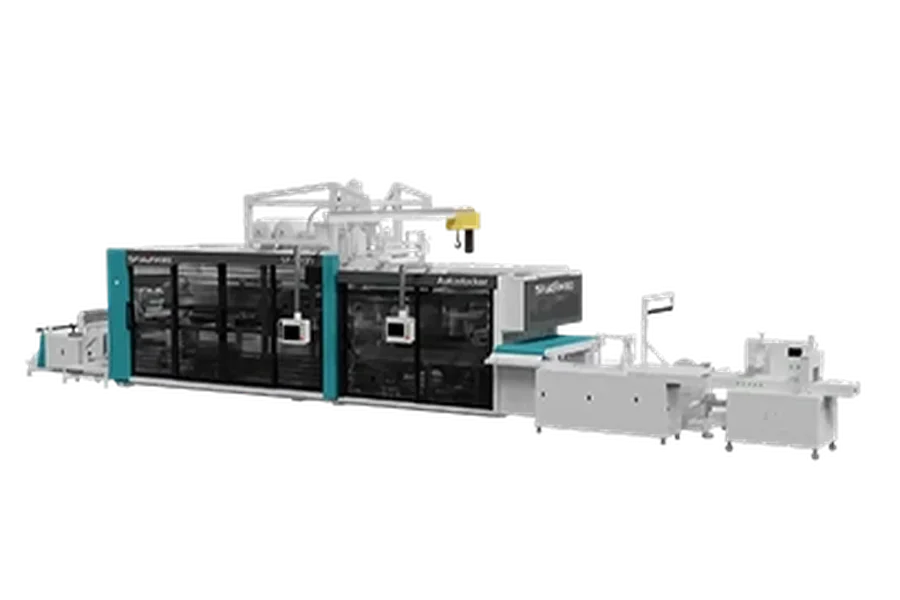
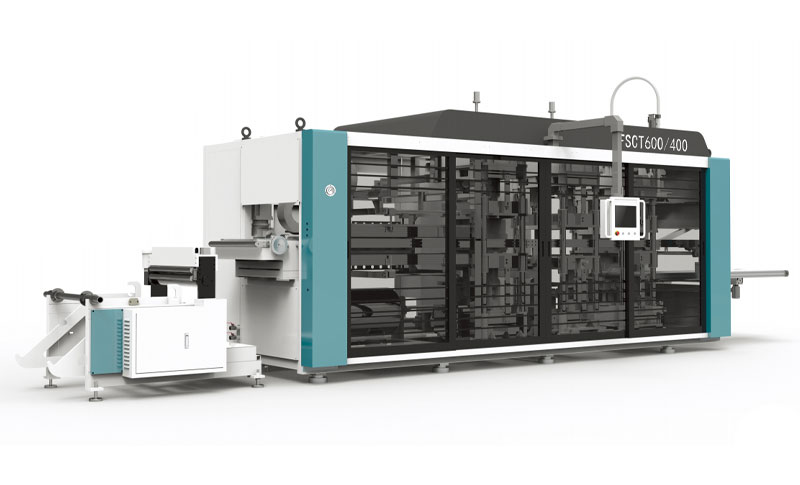
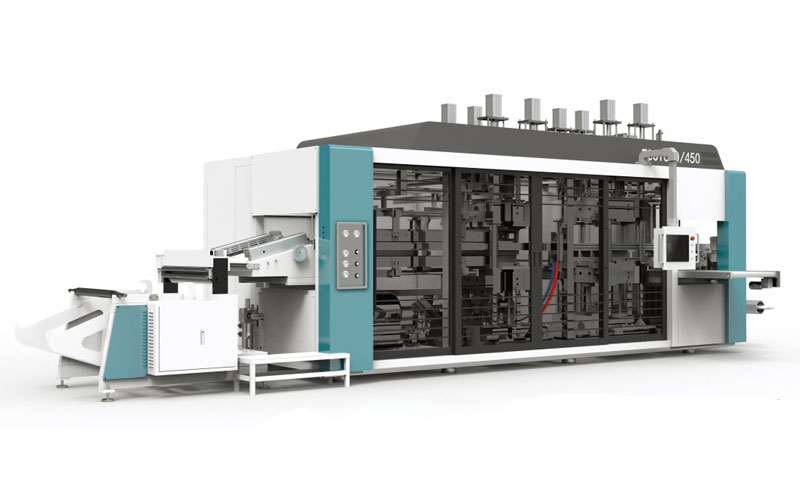
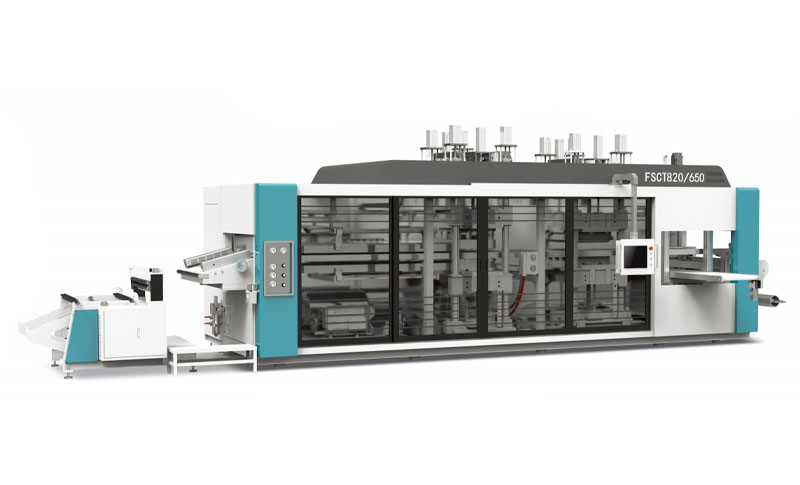
A sheet extrusion machine is rarely the end of the production line. In typical plastic cup manufacturing, the extruded sheet is fed into a thermoforming machine that heats and forms the sheet into cups, then a rim curling machine finishes the rim, and a stacker organizes the output. In-line recycling systems can granulate trim and rejected parts and return them to the extruder. The “where the line stops” concept refers to determining the point at which finished products exit the integrated system – whether that is a roll of sheet for sale, or finished cups ready for packaging.
Manufacturers often design lines with expansion in mind: leaving space for additional units like an in-line crusher or a side punching machine. For example, the SY-180IC On-Line Crusher allows immediate granulation of edge trim. Understanding this integration path helps buyers avoid bottlenecks and underutilized capacity. In a hypothetical scenario, a buyer planning to first produce sheet rolls for external sale and later add a thermoforming unit should choose an extruder with a compatible web handling system.
FAQ
What materials can a sheet extrusion machine process?
Common thermoplastics include polystyrene (PS), polypropylene (PP), polyethylene terephthalate (PET), and polyethylene (PE). Some machines are designed for multi-layer co-extrusion combining different materials for barrier or cosmetic properties.
How long does it take to install and commission a sheet extrusion line?
Typical installation and commissioning takes 4 to 8 weeks, depending on factory readiness, complexity of auxiliary equipment, and whether the line is new or relocated. Supplier-provided installation teams usually require 2–3 weeks on-site.
What is the typical lifespan of a sheet extrusion machine?
With regular maintenance, a sheet extrusion machine can operate 15–20 years. Major components like the screw and barrel may need replacement after 5–10 years, depending on throughput and material abrasiveness.
Can I produce biodegradable sheet materials on a standard extruder?
Yes, many modern extruders can process PLA, PBAT, and other biodegradable resins, though screw design and processing temperature profiles may need adjustment. It is important to confirm material compatibility with the supplier.
Conclusion
A sheet extrusion machine is a capital equipment investment that directly impacts product quality, production efficiency, and downstream conversion. For technical buyers, the focus should be on seamless integration, reliable performance specifications, and total cost of ownership rather than initial price alone. Understanding delivery logistics, payoff metrics, and where the line connects to subsequent processes will help build a solid foundation for future purchase decisions. For further details on configurations and performance data, review the Plastic Sheet Extruder product page.
Related site pages: Home, Your Product, About Us, About Sayeah, Machining Center, Quality.