Sheet Extrusion Machines: A Technical Guide for Plastic Cup Manufacturing

June 06, 2026
Mike Dooley

Article Overview: This article provides a technical introduction to sheet extrusion machines used in plastic cup manufacturing. It explains core concepts, key specifications, common upgrade considerations, and how sheet extruders integrate with downstream thermoforming and auxiliary equipment. Written for CTOs, engineering managers, and technical buyers, the content builds foundational understanding without brand promotion.

What Is a Sheet Extrusion Machine and How Does It Work?

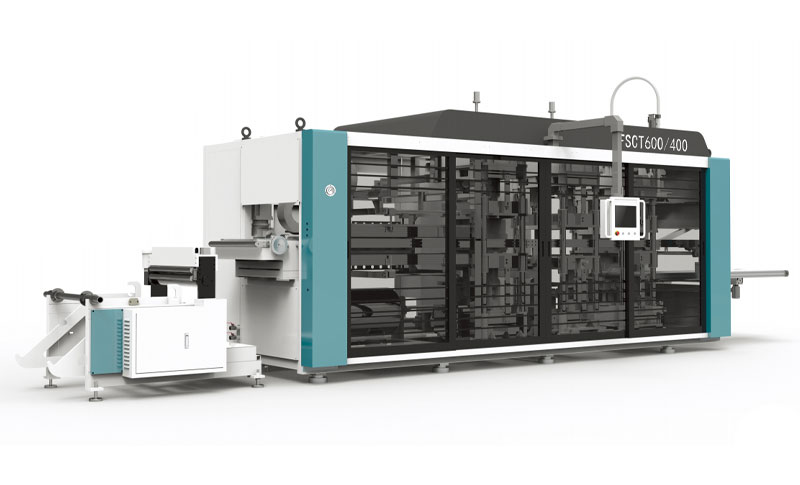
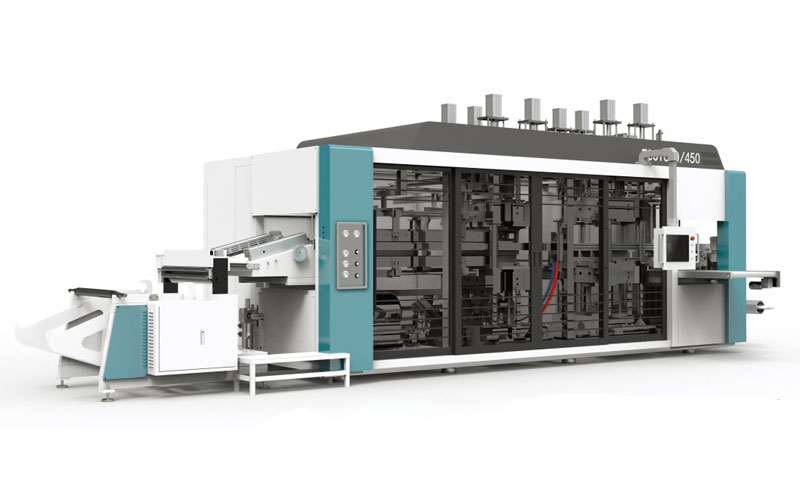
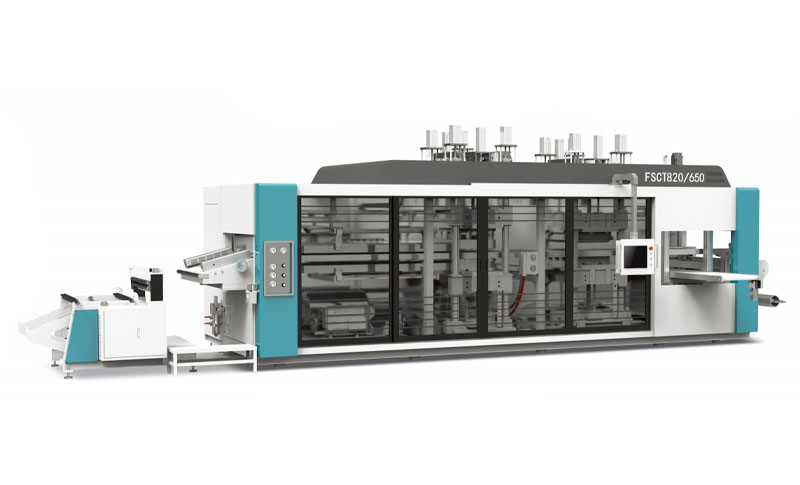
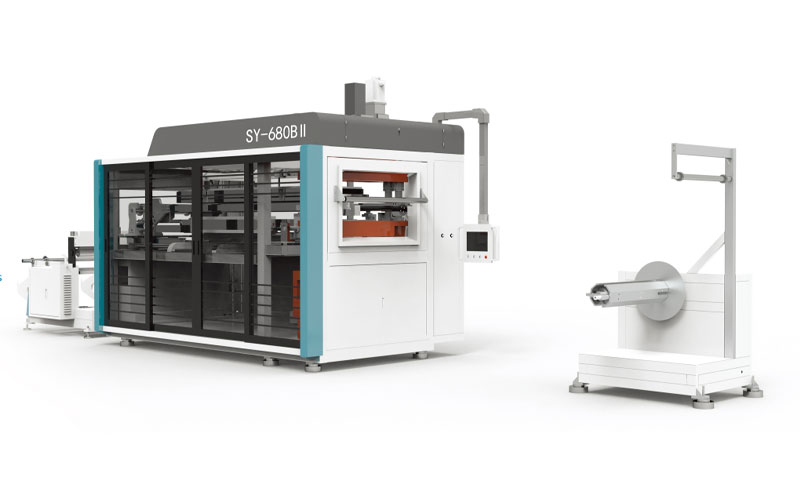
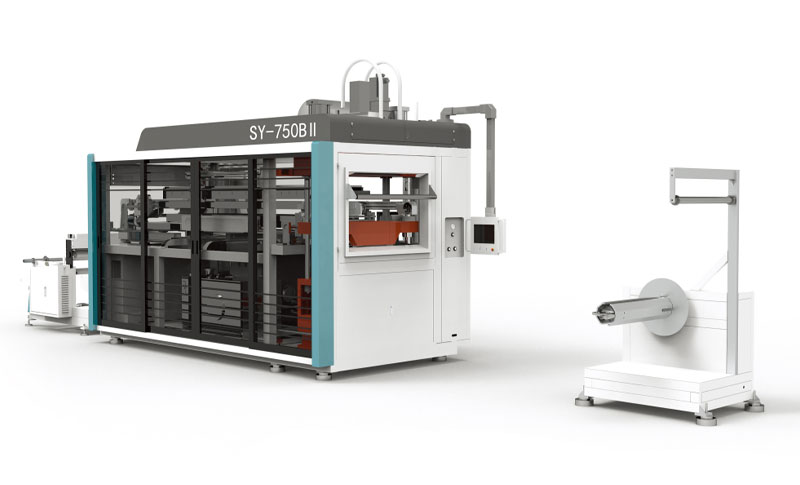
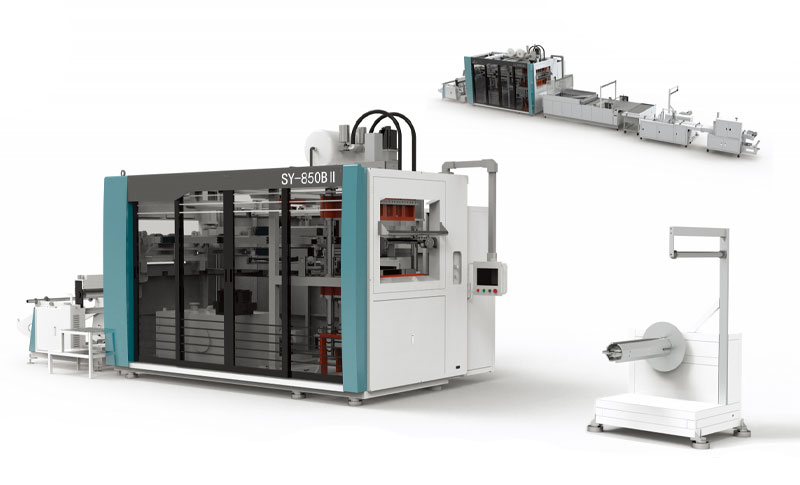
machine photo

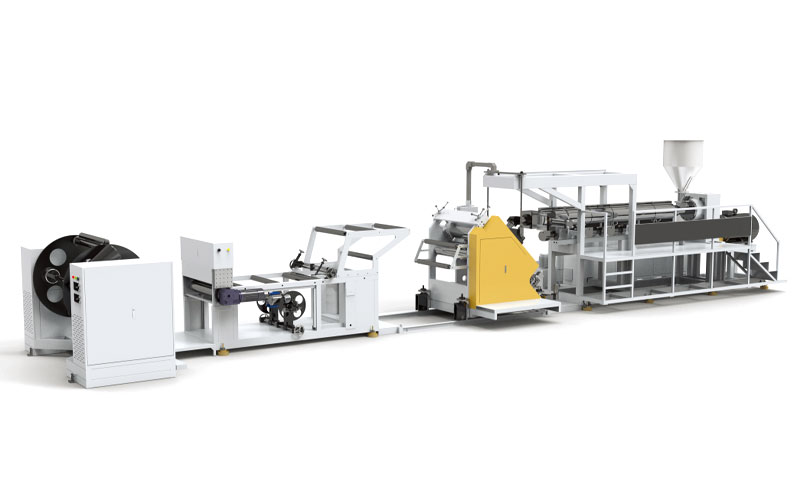
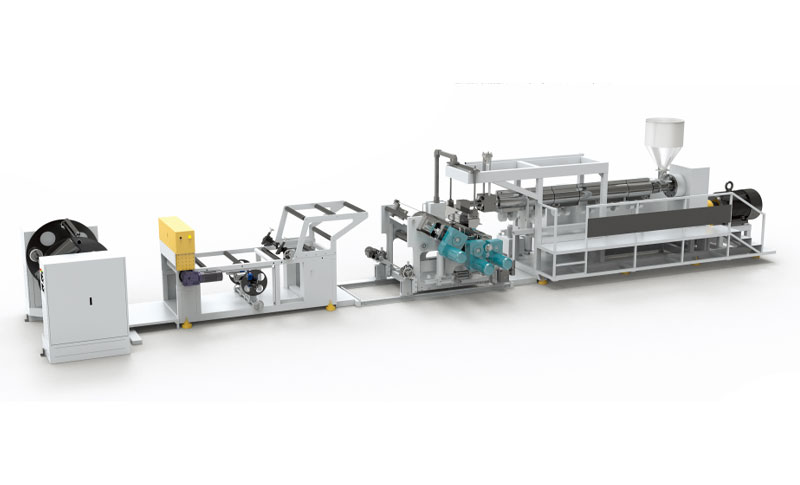
A sheet extrusion machine is a production system that melts plastic resin and forms it into a continuous flat sheet of controlled thickness. This sheet is then fed into thermoforming machines—such as a Plastic Cup Making Machine—to produce cups, lids, and other containers. The extrusion process is the critical first step that determines sheet quality, consistency, and downstream yield.

The basic operation involves feeding polymer pellets (e.g., PP, PS, or PET) into a heated barrel where a rotating screw melts and homogenizes the material. The molten plastic passes through a flat die and then between polished chill rolls to solidify into a sheet. The sheet thickness is controlled by the gap between the die lips and the roll speed. Modern machines can produce mono-layer sheets from a single melt stream or multi-layer sheets using co-extrusion technology.

In a typical plastic cup production line, the sheet extruder must run continuously at high speed to match the output of downstream thermoforming stations. Downtime or sheet defects directly affect overall equipment effectiveness (OEE). Therefore, selecting the right sheet extrusion machine involves balancing throughput, sheet quality, material flexibility, and energy consumption.

What Key Specifications Should You Evaluate?

When assessing a sheet extrusion machine, technical buyers and engineering managers should focus on a few critical parameters. The table below outlines common specification categories, but exact numbers vary by manufacturer and line configuration. Always validate against your production requirements.

Typical Sheet Extrusion Machine Specification Categories
Specification Description
Throughput Measured in kg/hr. Must match downstream thermoforming capacity.
Sheet Width Determines the width of the final cup layout. Common widths range from 600 mm to 1200 mm.
Thickness Range Typically 0.2 mm to 2.0 mm. Tolerance is critical for consistent cup weight.
Screw Design Varies by material: general-purpose, barrier, or mixing screws for specific polymers.
Melt Temperature Control Accuracy of ±1°C prevents thermal degradation.
Die Type Auto-profile or manual adjustment. Auto-profile dies improve thickness consistency.
Roll Stack Configuration Vertical or horizontal; number of rolls affects sheet surface finish.

Beyond these technical specs, consider the supplier’s support for integration with your existing line. A Multi Station Thermoforming Machine requires a steady sheet feed at a precise temperature. Any mismatch can cause forming defects or jams. Additionally, evaluate the machine’s ability to process recycled materials or bio-based polymers if sustainability is a priority.

Key Evaluation Checklist

  • Throughput range vs. peak demand
  • Sheet width adjustability for different cup sizes
  • Compatibility with your primary polymer (PP, PS, PET, etc.)
  • Gauge control system resolution
  • Energy efficiency (kW/kg output)
  • Changeover time between materials or thickness profiles
  • Automation interface (PLC, SCADA compatibility)

Why Upgrade Your Sheet Extrusion Line?

machine photo, factory scene

Even well-established production lines can benefit from targeted improvements. Many plastic cup manufacturers operate older sheet extruders that lack precision controls or energy-saving features. Upgrading certain components—rather than replacing the entire machine—can yield measurable gains in quality and cost.

Common upgrade areas include:

  1. Die lip adjustment: Switching from manual to automatic die bolsters reduces thickness variation and scrap.
  2. Melt pump (gear pump): A gear pump ensures consistent melt pressure at the die, improving gauge uniformity.
  3. Temperature control modules: Modern PID or adaptive controllers minimize temperature swings.
  4. Screen changer automation: Continuous filtration without line stops reduces downtime.
  5. Roll surface treatment: Chrome or ceramic coatings extend roll life and release sheet cleanly.

For example, a hypothetical facility producing 500 kg/h of sheet might reduce edge trim waste from 5% to 2% after installing an auto-profile die. Over a year, that savings offsets the retrofit cost. Similarly, adding a melt pump can improve sheet thickness tolerance from ±5% to ±1.5%, allowing downstream Plastic Cup Making Machines to run faster with fewer rejects.

Integration with Thermoforming and Downstream Equipment

Sheet Extrusion Machine illustration

A sheet extrusion machine does not operate in isolation. It is part of a larger system that includes the melt delivery, sheet take-off, edge trim, scrap recycling, and thermoforming. The extruder must provide a consistent sheet to the Plastic Sheet Extruder output that feeds the thermoformer. (Note: the target page is the Plastic Sheet Extruder product, so we link here with exact match anchor.)

Key integration points:

  • Sheet temperature at the forming station: If the sheet cools too much before forming, it will not form cleanly; too hot and it may stick or sag. A controlled cooling tunnel or heated oven bridge between extruder and former maintains optimal temperature.
  • Edge trim and recycling: Trim scrap from both sheet edges and thermoformed parts is often ground and reintroduced. Machines like the SY-650 Crusher can process this scrap for regrind blending.
  • Stacking and handling: After forming, cups are counted and stacked. Jelly Cup Stackers and intelligent robots automate downstream handling.
  • Cooling water systems: Extruder rolls and thermoforming molds require consistent cooling. Water Cooling Towers are common in larger lines.

FAQ

What materials can a sheet extrusion machine process?

Most machines handle thermoplastics like polypropylene (PP), polystyrene (PS), polyethylene (PE), and PET. Some are designed for engineered resins or biodegradable bioplastics. Always confirm material compatibility with the supplier.

How long does it take to change between sheet thicknesses?

Changeover time depends on the die adjustment mechanism. Manual dies may take 30–60 minutes; automatic profile dies can adjust thrust in under 10 minutes while running, but a full change to a different target thickness still requires stabilization time of about 15–30 minutes.

Can I use the same extruder for mono-layer and multi-layer sheets?

Multi-layer (co-extrusion) requires additional extruders and a feed block. A mono-layer extruder cannot produce multi-layer sheets without significant modification. For co-extrusion, dedicated lines like a multi-layer Plastic Sheet Extruder solution are available.

What is typical energy consumption for a sheet extrusion machine?

Energy consumption varies widely by size and material. A mid-range line producing 300 kg/h might consume 0.3–0.5 kWh per kg of throughput. Newer machines with efficient motors and insulation can lower this figure.

How often should the screw and barrel be replaced?

Screw and barrel life depends on material abrasiveness (e.g., glass-filled polymers wear faster). Many lines run 2–5 years before requiring screw replacement. Regular inspection and hardfacing can extend life.

Conclusion

Sheet extrusion machines are the foundation of plastic cup manufacturing. Understanding their operation, key specifications, and upgrade options helps technical buyers make informed decisions. Whether you are commissioning a new line or optimizing an existing one, focus on sheet quality, throughput matching, and integration with downstream thermoforming and auxiliary equipment. For further details on specific machine configurations, consult a reputable Plastic Sheet Extruder manufacturer and evaluate documented performance data relevant to your production scenario.

Related site pages: Home, Your Product, Auxiliary Equipment, About Us, About Sayeah, Machining Center.

Post Tags:
Share:

GET A QUOTE

Talk to Our Expert.
Name
Email
Tel/WhatsApp
Captcha Code
GET IN TOUCH NOW
Captcha Code
We value your privacy
We use cookies to provide you with a better online experience, analyse and measure website usage, and assist in our marketing efforts.
Accept All