Sheet Extrusion Machine Procurement: A Buyer's Guide to Specifications, Supplier Evaluation, and Cost-Risk Tradeoffs
Article Overview: This guide is written for procurement managers, sourcing teams, and project engineers who are evaluating sheet extrusion machines for their production line. Instead of a marketing pitch, you will find a practical checklist covering supplier evaluation, RFQ preparation, technical validation, and post-purchase risk management. The goal is to help you make a capital equipment decision that aligns with your production needs without costly regrets.
Why Sheet Extrusion Machine Specifications Matter More Than Price

When sourcing a sheet extrusion machine, it is easy to focus on the upfront purchase price. However, the long-term cost of ownership—including energy consumption, output consistency, downtime, and spare part availability—often exceeds the initial investment. A machine that is slightly cheaper but under-specified for your target sheet thickness, material type, or output volume can lead to chronic production bottlenecks and quality issues.
For example, if your application requires multi-layer barrier sheets but you purchase a mono-layer extruder, you will either invest in costly retrofits or lose market opportunities. Similarly, machines designed for standard polystyrene (PS) may struggle with polypropylene (PP) or biodegradable materials, affecting melt uniformity and sheet gauge tolerance. Therefore, the first step is to clearly define your product range—sheet width, thickness range, materials, and desired throughput. This becomes the foundation of your plastic sheet extruder specification.
Manufacturers often provide standard models, but customization for screw design, die geometry, and downstream cooling is common. Verify that the supplier can tailor the machine to your material recipes, especially if you plan to use recycled content or bio-based polymers. Request documented test results or references for similar applications.
What Should You Validate Before Issuing an RFQ?
Before sending out a request for quotation (RFQ), your team should internally validate several technical and operational parameters. Use the checklist below to ensure you receive comparable bids across suppliers.
- Define your production envelope: Sheet width, thickness range (e.g., 0.5–3 mm), output capacity (kg/h), and uptime target (e.g., 7,200 hours/year).
- List all materials you intend to run: Include virgin resins, regrind ratios, and any masterbatches or additives. Some machines require separate screw and barrel alloys for abrasive or corrosive materials.
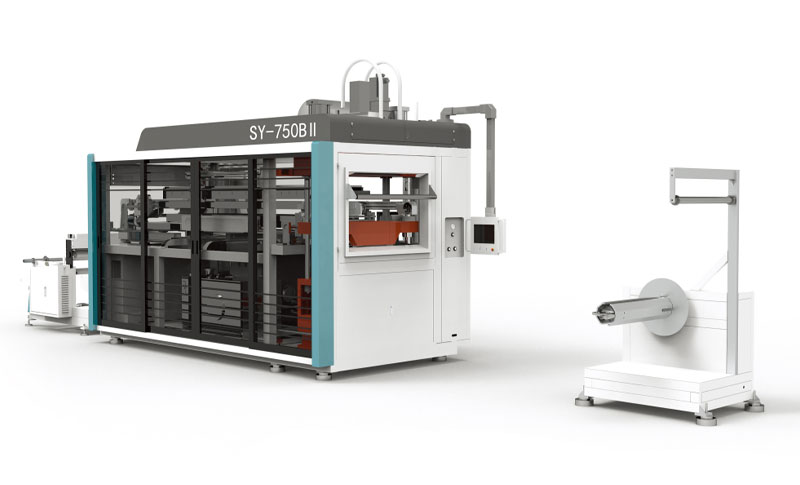
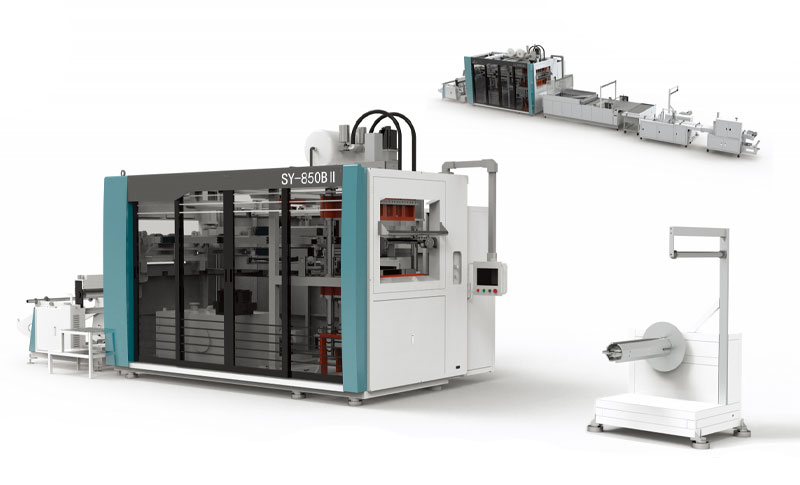
- Specify downstream equipment compatibility: If you already have a thermoforming line, ensure the extruder can feed directly into a thermoforming machine or coupling cooling/stacking systems.
- Determine energy and utility requirements: Electrical load (voltage, phase), cooling water temperature and flow, compressed air, and exhaust. These affect installation cost and footprint.
- Set quality standards: Acceptable thickness variance, width tolerance, surface defects, and roll length. High-end packaging applications may require in-line gauging and closed-loop control.
- Establish delivery and commissioning timeline: Lead time for delivery, site preparation, installation, and training. Factor in ramp-up time before full production.
When you share these requirements with suppliers, ask them to include a compliance matrix in their quotes. This reduces misinterpretations and makes side-by-side comparison possible.
Key Purchase Decision Criteria for Sheet Extrusion Lines

After receiving RFQ responses, evaluate each proposal using the following criteria. Not all factors carry equal weight, but each can impact long-term operational health.
- Throughput and scaling flexibility: Can the machine handle moderate overcapacity? Is there an option to upgrade to a higher output screw or motor later?
- Material compatibility: Does the machine support a wide range of materials (PS, PP, PE, PET, PLA)? Are there documented changeover procedures and times?
- Maintenance and part availability: Are screws, barrels, screens, and heaters standard? How quickly can the supplier ship consumables? Check if they stock common components.
- Control system and automation: Is the PLC programmable? Does it include data logging for process traceability? Integration with your MES or ERP may be required.
- Energy efficiency: Ask about specific energy consumption (kWh per kg of output). Efficient drives and barrel insulation can reduce operating costs by 10–20%.
- Safety and compliance: Look for CE, UL, or other relevant certifications. Request the supplier's certifications and risk assessment documentation.
- Warranty and support: Standard warranty duration, response time for remote or on-site support, and availability of a local service engineer. Read the industry news for any supplier reputation issues.
Creating a weighted scoring matrix using these criteria can help your team rank suppliers objectively. Remember to assign higher weight to factors that directly affect your production reliability.
How to Evaluate Supplier Capability and After-Sales Support

The machine itself is important, but the supplier's ability to support it over its lifecycle is equally critical. A common procurement mistake is underestimating the importance of technical documentation, spare part logistics, and responsive service.
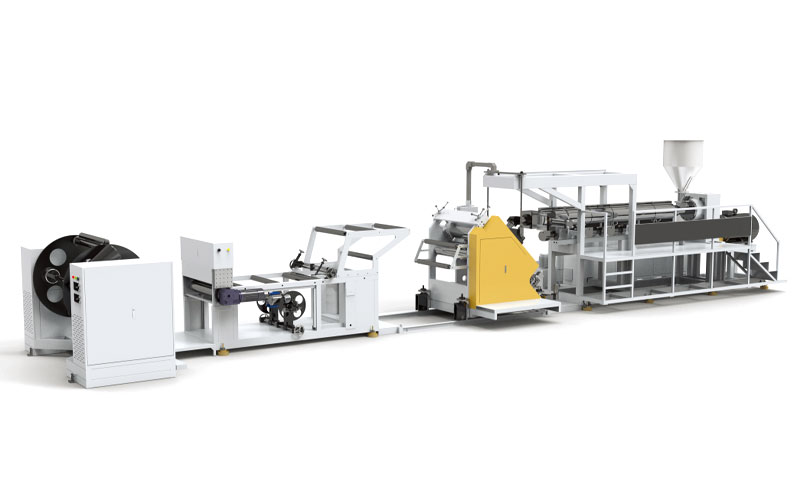
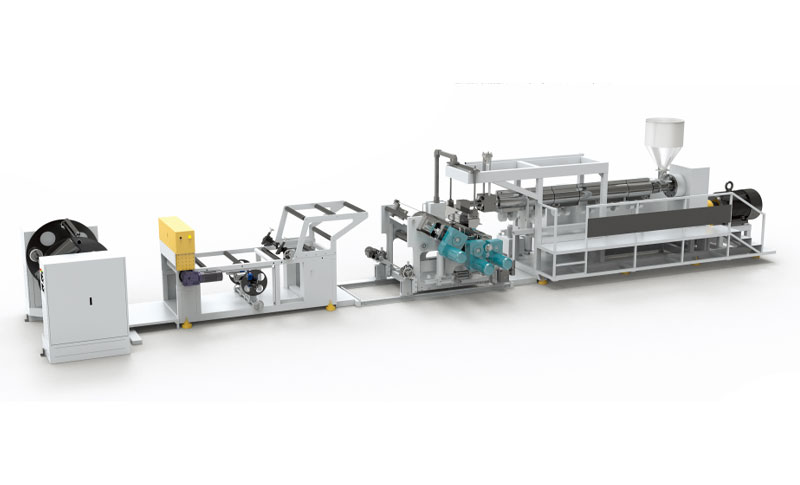
Start by reviewing the supplier's track record. Request contact details of at least three customers with similar installations. Ask about installation experience, training provided, and how the supplier handled breakdowns. If possible, visit a reference plant—many suppliers can arrange a site visit or virtual tour of a running plastic sheet extruder system.
Next, examine the supplier's quality assurance processes. Do they source key components (motors, drives, screws) from reputable brands? Are there in-house testing procedures for each machine before shipment? Some suppliers maintain an application center where they trial your material on a pilot line—this de-risks the purchase significantly.
Also consider the supplier's proximity and service network. If they are in a different country, check for local agents or service hubs. Spare part lead times can be a bottleneck. Ask about the availability of critical spares like screws, barrels, and heater bands. A supplier with a local warehouse or fast international shipping (e.g., 2–5 days) is preferable.
Finally, review the contract terms for warranty exclusions, liability caps, and performance guarantees. A typical performance guarantee might state that the machine will produce a given output within ±3% thickness tolerance for a specific material. If the supplier cannot meet these guarantees, have a remedy plan in place.
What Are the Tradeoffs Between Mono-Layer and Multi-Layer Extrusion?
| Option A: Mono-Layer Extrusion | Option B: Multi-Layer Co-Extrusion |
|---|---|
| Lower initial investment; single extruder, simpler control. | Higher upfront cost; multiple extruders, feedblock, and dies. |
| Limited to homogenous sheet properties; no barrier layers. | Enables barrier properties, cost savings using recycled core, and tailored surface layers. |
| Faster changeover between materials; fewer components to clean. | Longer changeover and purging time; more complex maintenance. |
| Throughput typically 100–500 kg/h depending on width and thickness. | Throughput can exceed 1000 kg/h for thick multi-layer sheets. |
| Best for single-material applications where barrier is not critical (e.g., general packaging, trays). | Ideal for food packaging requiring oxygen/moisture barriers, or when using recycled content in core layers. |
Your choice depends on product requirements, budget, and production volume. For most packaging applications, multi-layer co-extrusion offers long-term cost advantages through material optimization. However, for simple sheet production, mono-layer remains a low-risk entry point.
FAQ
What is the difference between mono-layer and multi-layer sheet extrusion?
Mono-layer extrusion uses a single extruder to produce a homogenous sheet. Multi-layer co-extrusion combines two or more extruders and a feedblock to create sheets with different material layers—this is common for barrier properties in food packaging or for cost optimization by using recycled core layers. Your choice depends on product requirements and budget.
How do I calculate the required throughput for my sheet extrusion line?
Throughput (kg/h) is determined by sheet width, thickness, line speed, and material density. A typical formula is: Output (kg/h) = Width (m) × Thickness (mm) × Speed (m/min) × Density (g/cm³) × 60 × 0.001. Add a safety factor of 10–20% for startup and fluctuations.
What maintenance does a sheet extrusion machine require?
Routine maintenance includes cleaning the screw and barrel, replacing screen packs, checking heater bands and thermocouples, lubricating bearings, and inspecting cooling rolls and nip rollers. Many suppliers provide preventive maintenance schedules. Keeping a log of process parameters helps predict wear.
Should I buy a complete extrusion line or integrate components from different brands?
Most buyers prefer a complete line from a single supplier for accountability and easier integration. However, if you have specialized downstream equipment (e.g., a plastic cup making machine), you may need to match interfaces precisely. Request a clear integration plan from the extruder supplier to avoid mismatched speeds or control signals.
Conclusion
Selecting a sheet extrusion machine is a multi-dimensional decision that goes beyond the price tag. By preparing a detailed RFQ, validating technical specs, and thoroughly assessing supplier capability, you can significantly reduce procurement risk. Start by clearly defining your current and future production needs. Use the checklists in this memo to guide internal discussions and supplier conversations. And remember that the best machine is the one that fits seamlessly into your existing workflow—from material feeding to final product handling. For more information on extrusion line configurations, explore our auxiliary equipment section to see how integrated systems can be tailored to your project.