English
 Pусский
 Español
 عربي
عربي

Plastic Cup Making Machine - Sayeah Machinery Guide
Article Overview: This guide is written for procurement managers, sourcing teams, and project engineers who are evaluating a Plastic Cup Making Machine - Sayeah Machinery or similar equipment. You will learn what technical specifications to validate, how to structure your RFQ, common procurement pitfalls, and practical steps to reduce implementation risks. The goal is to help you make an informed supplier decision without overpaying or compromising on quality.
What to Look for in a Plastic Cup Making Machine - Sayeah Machinery?
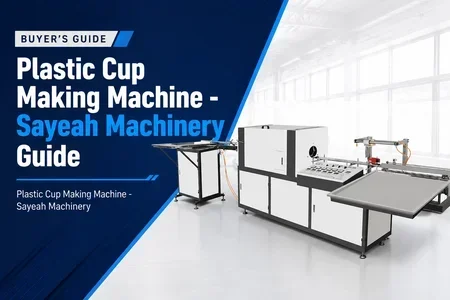
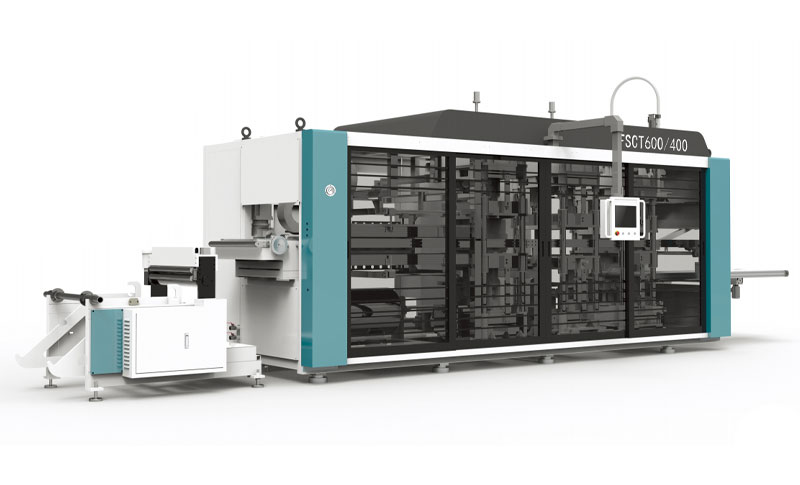
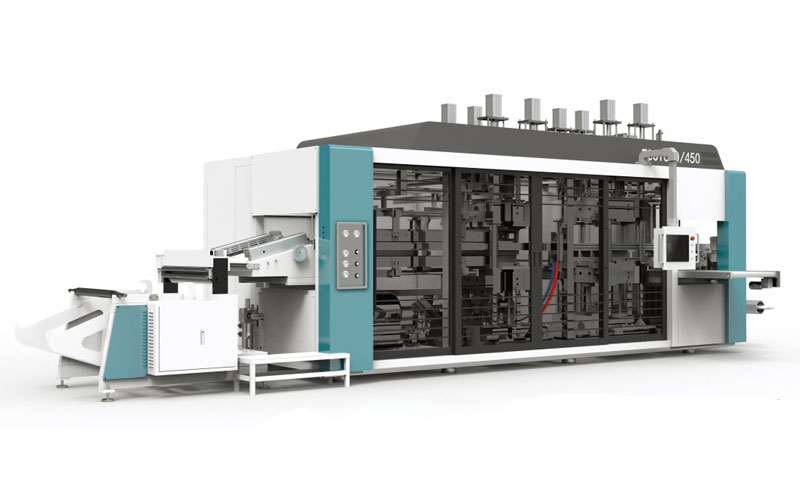
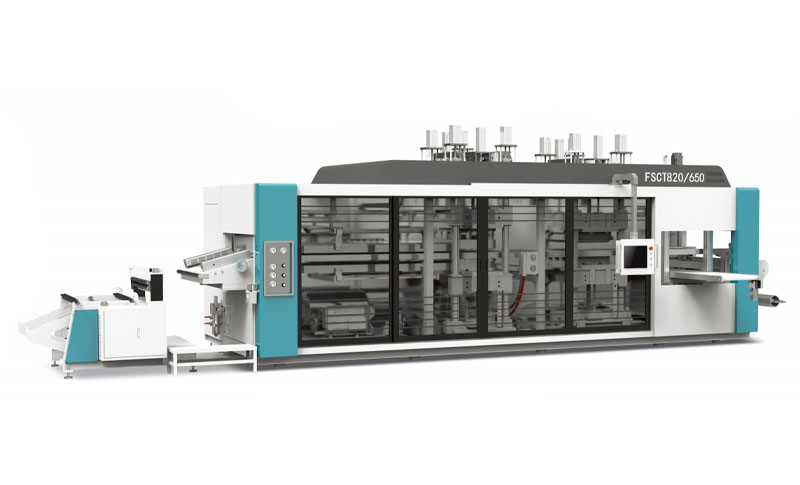
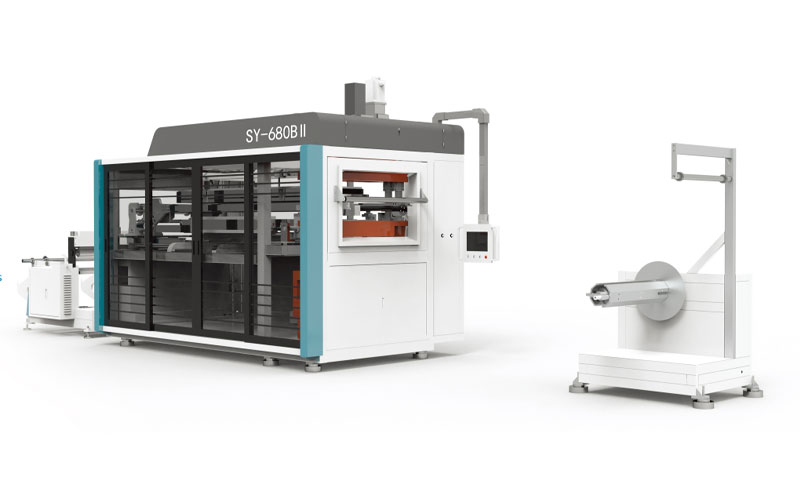
When assessing a Plastic Cup Making Machine, the first step is to match the machine's capabilities with your production goals. Key factors include cup size range, material compatibility (PP, PS, PET, PLA), forming speed, and energy consumption. A Plastic Cup Making Machine - Sayeah Machinery typically offers servo-driven systems for precision and high output, but every supplier's configuration varies. Request detailed datasheets and compare the following:
- Maximum forming area and depth – determines cup height and diameter limits.
- Cycle time (strokes per minute) – directly affects throughput.
- Heating system type (quartz, ceramic, or infrared) – influences energy efficiency and material heating uniformity.
- In-mold labeling or printing integration – adds value if branding is required.
- Automation level – from semi-automatic to fully inline extrusion, forming, trimming, and stacking.
Always ask for a reference list of similar projects. If the supplier cannot provide verifiable examples, consider that a red flag.
How to Evaluate Your Production Requirements Before RFQ?
Before contacting suppliers, define your production parameters precisely. This will save time and prevent costly mismatches. Follow this structured approach:
Step 1: Determine Cup Specifications
List the exact cup sizes (diameter, height, wall thickness), material type (PP, PS, PET, or PLA), and whether you need multilayer barrier properties. This directly affects the tooling design and machine configuration. For a Plastic Cup Making Machine - Sayeah Machinery, tooling customization is typically available, but lead times and costs vary.
Step 2: Estimate Required Output Volume
Calculate daily or shift production needs. For example, 200,000 cups per 8-hour shift requires a machine with a cycle time of around 12–15 strokes per minute, depending on cup weight. Use this number to filter machine models. Oversizing the machine wastes capital; undersizing creates bottleneck.
Step 3: Plan for Downstream Equipment
Consider trimming, stacking, counting, packing, and printing needs. Many Plastic Cup Making Machine suppliers offer integrated lines. If you plan to add auxiliary equipment later, verify compatibility. Sayeah Machinery, for example, provides side punching, rim curling, and automatic packing machines that can be synchronized with their forming machine.
Document these requirements in a specification sheet. It will be the foundation of your RFQ and ensure comparable quotations.
Key Technical Specifications to Validate with Suppliers
Once you receive quotations, scrutinize the technical details. Use this checklist to compare machines on an apples-to-apples basis:
- Servo motor power and brand: High-quality servo drives (e.g., Yaskawa, Siemens) improve precision and reduce maintenance.
- Heating zones: More zones allow finer temperature control. For PET/PLA, uniform heating is critical to avoid crystallization.
- Mold mounting system: Quick-change systems reduce downtime. Ask about mold changeover time.
- Control system: PLC brand and screen interface (e.g., Siemens, Mitsubishi). Touchscreen with recipe storage simplifies operation.
- Safety certifications: CE, UL, or equivalent. This affects insurance and plant acceptance.
- Warranty and spare parts availability: Minimum 12 months, with local stock or fast shipping.
Another useful comparison is between a basic stand-alone former and a fully automated line. Here's a typical trade-off:
Basic Stand-Alone Machine vs. Fully Automated Line
Option A: Basic Stand-Alone
Lower initial investment, flexible for small productions. Requires manual or separate trimming and stacking. Suitable for startups or diversified product lines.
Option B: Fully Automated Line
Higher upfront cost but lower labor and scrap rates. Integrated extrusion, forming, trimming, stacking, and packing. Ideal for high-volume, single-product operations. Typical ROI within 18–24 months for a production volume above 500,000 cups/day.
Buyer note: Choose Option A if you have low volume or plan to change cup designs frequently. Choose Option B if you prioritize efficiency and have stable demand.
Common Procurement Risks and How to Avoid Them
Buyers often make mistakes that lead to production delays or extra costs. Be aware of these risks:
- Underestimating tooling costs: Mold price is usually quoted separately. Ask for tooling cost per cavity and expected lifespan.
- Ignoring installation and commissioning: Factor in freight, customs, installation engineer travel, and training. A Plastic Cup Making Machine - Sayeah Machinery typically includes onsite commissioning, but confirm in writing.
- Overlooking material waste rate: Ask for guaranteed trim waste percentage (e.g., ≤5%). Higher waste increases material cost.
- Not verifying after-sales support: Check response time for technical support, spare parts lead time, and whether remote diagnostics are available.
To mitigate risks, include a penalty clause in the contract for delivery delays and performance guarantees for output and scrap rate. Also request a pre-shipment inspection or third-party verification.
FAQ
What materials can a Plastic Cup Making Machine process?
Most machines handle PP, PS, PET, and PLA. Some models support multi-layer co-extruded sheets. Confirm with the supplier if you need special materials like CPET or HIPS.
How long does it take to deliver and install a Plastic Cup Making Machine - Sayeah Machinery?
Typical lead time is 30–60 days after order. Installation and training take 1–2 weeks depending on site readiness. Always request a detailed timeline.
Can I modify an existing machine for different cup sizes?
Yes, by changing the mold and adjusting parameters. However, mold changeover may take 30–60 minutes. Quick-change systems reduce this to under 15 minutes.
Does the Plastic Cup Making Machine come with a warranty?
Reputable suppliers offer at least 12 months. Extended warranty is often negotiable. Verify what is covered – typically mechanical parts, electrical components, and control system.
What is the typical energy consumption per cup?
Energy consumption varies by machine and material. For a mid-sized machine running PP, expect around 0.05–0.1 kWh per 1,000 cups. Request energy cost projections based on your local rates.
Conclusion
Choosing the right Plastic Cup Making Machine is a strategic investment. By following the checklist approach outlined above, you can avoid common procurement pitfalls and select a supplier that aligns with your production needs, budget, and timeline. Start by defining your cup specifications and volume, then request detailed RFQs from qualified suppliers. When evaluating proposals, prioritize technical validation, after-sales support, and contract terms. For more detailed product information, visit the Plastic Cup Making Machine page and compare configurations. A thorough preparation today will save costs and downtime tomorrow.