English
 Pусский
 Español
 عربي
عربي

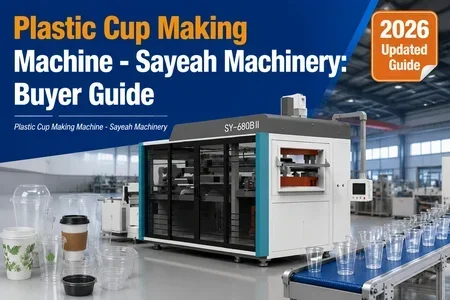
Plastic Cup Making Machine - Sayeah Machinery: Buyer Guide
Article Overview: This guide is written for procurement managers, sourcing teams, and project engineers evaluating a Plastic Cup Making Machine - Sayeah Machinery. It provides a practical checklist for supplier evaluation, RFQ preparation, and risk reduction in the purchase decision.
Why Is Supplier Evaluation Critical for a Plastic Cup Making Machine?
Investing in a Plastic Cup Making Machine represents a significant capital outlay. The machine directly impacts production efficiency, product quality, and operating costs. A poorly evaluated supplier can lead to frequent breakdowns, inconsistent output, and long-term support gaps. Therefore, a structured supplier evaluation process is essential. Key factors include technical capability, material compatibility, production speed, and after-sales service. Procurement teams should verify the supplier’s manufacturing experience, especially with thermoforming and extrusion processes, to ensure the machine meets their specific requirements.
Supplier Evaluation Options
Option A: Low-cost supplier with minimal support
Lower initial investment but higher risk of downtime, inconsistent quality, and slower response times.
Option B: Established manufacturer like Sayeah Machinery
Higher upfront cost but includes technical support, training, and reliable after-sales service.
Buyer note: Evaluate total cost of ownership, not just purchase price.
Beyond cost, consider the supplier’s track record in delivering Plastic Cup Making Machine solutions. Request references and visit existing installations to validate performance claims. A thorough evaluation at this stage prevents costly mistakes later.
Key Specifications to Validate Before Sending an RFQ
Before requesting quotes, compile a list of technical specifications that match your production needs. The table below highlights critical parameters you should confirm with the supplier.
- Material Compatibility: Does the machine support PS, PP, PET, or PLA? Ensure it can run the resin grade you intend to use.
- Production Speed: Measured in cycles per minute or cups per hour. Validate the supplier’s claimed speed under real conditions.
- Mold Dimensions: Maximum mold size and clamping force must fit your cup design.
- Heating System: Type (ceramic, infrared) and temperature control accuracy affect sheet forming quality.
- Automation Level: From manual to fully automated; decide based on labor cost and output goals.
- Power Consumption: Understand the total electrical load to avoid facility upgrade costs.
Use these criteria to shortlist suppliers that match your operational requirements. Request datasheets from each candidate to compare side by side.
How to Structure Your RFQ for a Plastic Cup Making Machine
A well-structured RFQ helps suppliers provide accurate pricing and reduces back-and-forth communication. Below is a recommended step-by-step process.
Step 1: Define Production Requirements
Specify the cup size range, wall thickness, material, and daily output target. Include any special features like rim curling or stacking.
Step 2: Request Technical Datasheets
Ask for detailed specifications of the Plastic Cup Making Machine, including power consumption, footprint, and optional modules. Verify that the machine can be integrated with your existing extrusion line.
Step 3: Ask for Production Test Results
Request sample production runs or visit the supplier's facility to see the machine operating with your target material. This validates speed and quality claims.
Step 4: Clarify After-Sales Support
Inquire about warranty duration, spare parts availability, remote troubleshooting, and on-site training. For international buyers, check the supplier's service network.
Using this RFQ structure ensures you receive comparable proposals and reduces the risk of purchasing an unsuitable machine. Be sure to include a timeline for response and a clear point of contact.
Common Procurement Risks and How to Avoid Them
Even with careful planning, buyers face risks when acquiring a Plastic Cup Making Machine. Below are typical pitfalls and mitigation strategies.
- Incompatible Sheet Width: Verify that the machine’s forming area matches your existing sheet extruder output. Ask the supplier for compatibility guidelines.
- Overestimated Speed: Request cycle time data from a production environment similar to yours. Avoid relying solely on theoretical maximums.
- Inadequate Safety Compliance: Confirm that the machine meets local safety standards (CE, UL, etc.) and includes necessary guards and emergency stops.
- Hidden Installation Costs: Factor in foundation work, electrical upgrades, and pneumatic connections. Request a detailed installation cost breakdown.
- Spare Parts Lead Time: Check the availability of critical wear parts and the supplier’s average shipping time to your location.
By proactively addressing these risks, you can avoid costly delays and ensure a smoother commissioning process.
How to Assess After-Sales Support and Warranties
After-sales support is a critical differentiator among suppliers. When evaluating a Plastic Cup Making Machine - Sayeah Machinery, consider the following aspects:
- Warranty Coverage: Duration and what components are included (mechanical, electrical, wear parts).
- Spare Parts Availability: Lead times for critical spares and whether the supplier stocks them locally.
- Technical Support: Remote diagnostic capabilities and availability of English-speaking engineers.
- Training: Operator and maintenance training offered on-site or at the supplier’s facility.
A supplier that provides comprehensive after-sales support reduces long-term downtime and total cost of ownership. Always request a written service level agreement before signing the contract.
FAQ
What materials can a Plastic Cup Making Machine - Sayeah Machinery process?
Typically, these machines handle PS, PP, PET, and PLA sheets. Confirm the material compatibility with the supplier for your specific resin grade.
How long does it take to install and commission the machine?
Installation timelines vary; a standard setup may take 2-4 weeks including electrical work, calibration, and operator training. Request a detailed schedule from the supplier.
Can the machine be integrated with an existing sheet extruder?
Yes, most Plastic Cup Making Machines are designed to work with standard sheet extrusion lines. Provide your extruder specifications to the supplier for compatibility verification.
What is the typical warranty period for a Plastic Cup Making Machine?
Warranties commonly range from one to three years, depending on the supplier. Always check the terms regarding wear parts and labor coverage.
Conclusion
Selecting the right Plastic Cup Making Machine - Sayeah Machinery requires a disciplined approach to supplier evaluation and RFQ preparation. By focusing on technical specifications, structuring your inquiries, and anticipating common risks, procurement teams can make informed decisions that align with their production goals. Use the checklist and steps outlined in this guide to reduce mistakes and improve your chances of a successful purchase. For more details on machine configurations and capabilities, visit the Plastic Cup Making Machine product page.