English
 Pусский
 Español
 عربي
عربي

Plastic Cup Making Machine: Buyer's Guide
Article Overview: This article provides a technical and procurement-oriented introduction to the Plastic Cup Making Machine - Sayeah Machinery. It covers core concepts, decision factors, implementation steps, and practical considerations for engineering and operations leaders evaluating this equipment for their production lines. The goal is to build foundational understanding before any purchase decision, with an emphasis on total cost of ownership and integration into Food & Beverage Packaging solutions.
Why Invest in a Plastic Cup Making Machine - Sayeah Machinery?
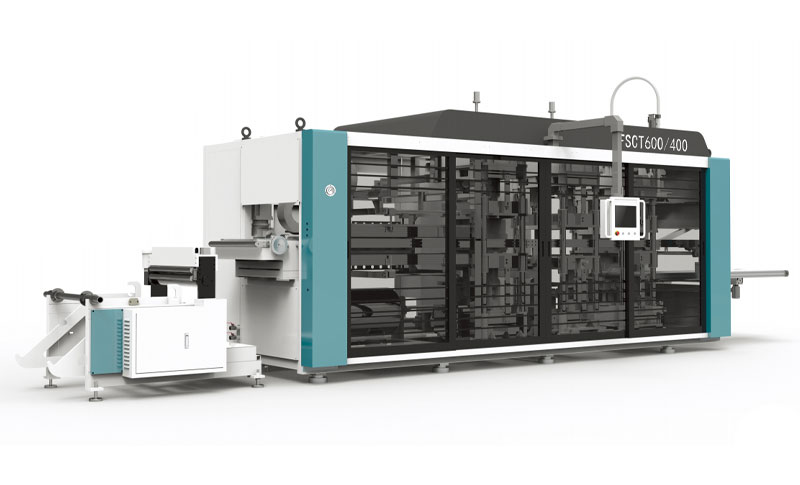
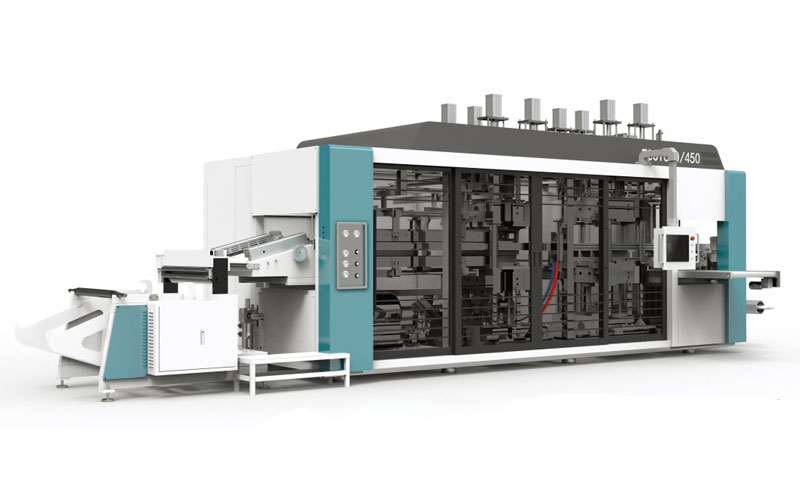
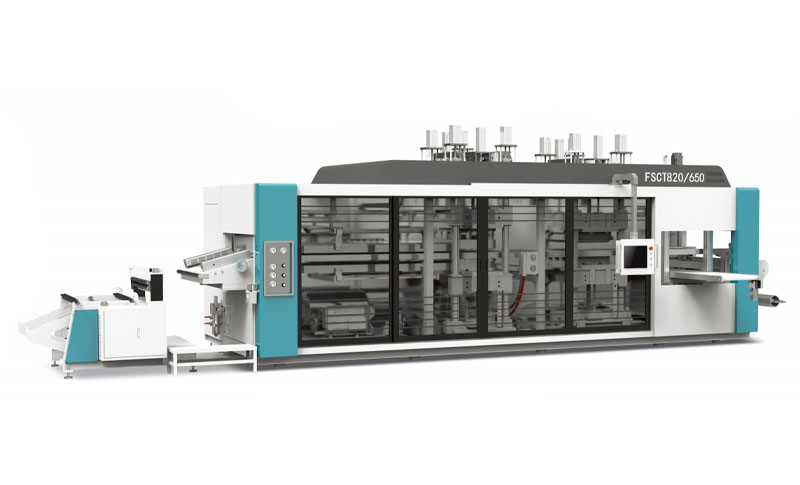
Manufacturers producing disposable plastic cups for the food and beverage industry require reliable, high-throughput forming equipment. A Plastic Cup Making Machine - Sayeah Machinery is designed to convert plastic sheet material into finished cups through a thermoforming process. The decision to invest in such a system typically hinges on production volume targets, material compatibility, and overall equipment effectiveness (OEE). Unlike generic forming machines, this equipment is purpose-built for cup geometries with consistent wall thickness and rim finishing, reducing post-processing steps.
Key benefits include high output—typical models operate at 30–50 cycles per minute depending on cavity count. The machine offers material flexibility, supporting PP, PS, PET, and PLA sheets. Integrated automation modules such as stacking, counting, and packing enable turnkey operation, reducing labor costs. For procurement teams, evaluating total cost of ownership means looking beyond initial price to energy consumption per cup, tooling life, and changeover time. Many buyers also consider pairing the machine with downstream equipment like a plastic sheet extruder for inline production, forming a complete cell that minimizes material handling waste. Typical payback periods range from 12 to 18 months for medium-volume lines, making it a viable investment for growing operations.
How to Integrate the Plastic Cup Making Machine - Sayeah Machinery Into Your Production Line?
Effective integration requires careful planning of material flow, utility connections, and floor layout. Below is a phase-based approach commonly used by commissioning teams.
Phase 1: Site Preparation and Utility Connection
Ensure the designated area has adequate electrical supply (typically 380V/50Hz three-phase), compressed air (6–8 bar), and cooling water connections. The foundation must be level and capable of supporting the machine weight, often 3–6 tonnes. Pre-wire safety barriers and emergency stop circuits. Allocate at least 2 meters clearance around the machine for maintenance access.
Phase 2: Material Feed and Sheet Handling
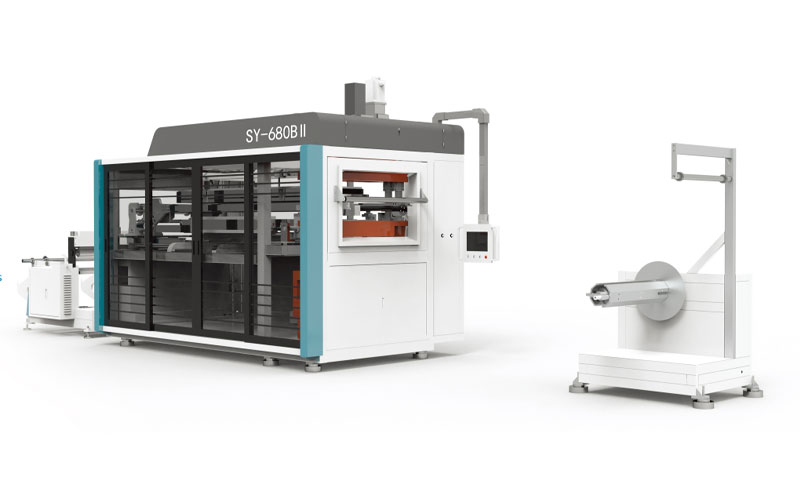
Install the unwinder unit to feed plastic sheet into the thermoforming station. For inline setups, a downstream plastic sheet extruder can supply the forming machine directly; otherwise, use pre-rolled sheet stock. Align sheet guide rails to prevent edge wrinkles, and adjust tension settings based on material gauge. Most systems accommodate roll widths from 400 mm to 800 mm.
Phase 3: Tooling Setup and Calibration
Mount the cup mold onto the forming station. Connect cooling channels and calibrate heating elements to the material's softening point (e.g., 160–180°C for PP). Run a test cycle at low speed to verify sheet indexing and vacuum forming parameters. Adjust plug-assist timing for deep-draw cups if applicable. After setup, the machine can store recipes for different cup sizes, reducing changeover time to 30–60 minutes.
After initial installation, the equipment integrates with existing factory control systems via PLC. Many models support remote diagnostics and recipe uploads, simplifying production scheduling.
What Are the Key Technical Specifications of the Plastic Cup Making Machine - Sayeah Machinery?
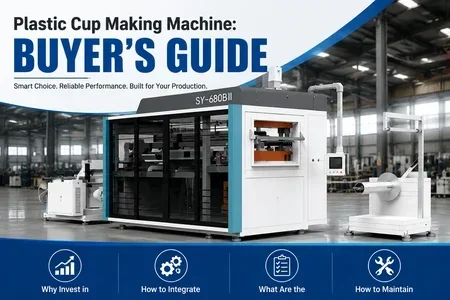
When evaluating a Plastic Cup Making Machine - Sayeah Machinery, engineering managers should request datasheets covering the following parameters:
- Forming area and draw depth: Determines maximum cup height and layout. Typical forming areas range from 500×600 mm to 700×1000 mm.
- Heating system type: Ceramic infrared or quartz heaters with zoning control improve energy efficiency and prevent material overheating.
- Servo motor drives: Critical for indexing accuracy and repeatability. Servo-driven models achieve positioning tolerances within ±0.1 mm.
- Cycle speed (strokes per minute): Affects throughput. Verify with specific cup weight because heavier gauge material may reduce maximum speed.
- Vacuum and compressed air consumption: Influences overall facility utility load. Typical vacuum requirement is 6–8 m³/h at -0.8 bar.
Additionally, examine the control system's compatibility with your Industrial Internet of Things (IIoT) platform. Modern units offer remote diagnostics, energy monitoring, and recipe storage for repeatable production runs. These features can reduce troubleshooting time and improve overall equipment effectiveness (OEE).
How to Maintain the Plastic Cup Making Machine for Longevity?
Proper maintenance directly impacts machine uptime and tooling life. The equipment includes standard wear parts such as heater elements, seals, and bearings. A typical preventive maintenance plan includes:
- Daily: Inspect sheet path for debris, check lubrication levels, monitor temperature uniformity.
- Weekly: Clean heater surfaces, verify tooling alignment, and test safety interlock functions.
- Monthly: Check pneumatic lines for leaks, inspect vacuum filters, and calibrate temperature sensors.
- Quarterly: Replace worn seals and bearings, conduct full electrical audit, and update PLC firmware if available.
Spare parts should be sourced from the manufacturer or authorized distributors to maintain warranty coverage. Many suppliers offer on-site training for maintenance teams during installation, covering routine tasks and troubleshooting common issues such as uneven wall thickness or frequent jams. Keeping a log of maintenance activities helps predict component replacement intervals and reduces unplanned downtime. By following these steps, operators can extend the machine's service life beyond 10 years while sustaining high productivity.
FAQ
What materials can the Plastic Cup Making Machine process?
It can process standard thermoformable plastics including polypropylene (PP), polystyrene (PS), polyethylene terephthalate (PET), and PLA for biodegradable options. Multi-layer co-extruded sheets are also supported for barrier properties, making it suitable for dairy or juice packaging.
How much floor space is required for installation?
A typical machine requires approximately 8–12 meters in length and 3–4 meters in width, including the unwinder and exit conveyor. Additional space is needed for auxiliary equipment like rim curlers, stackers, or a plastic sheet extruder if used inline. Allow at least 10% extra area for maintenance aisles.
Can I produce multiple cup sizes on the same machine?
Yes, by changing the tooling and adjusting forming parameters. The machine’s PLC stores recipes for different products, reducing changeover time. Tooling cost depends on cup complexity and cavity count; simple 4-cavity molds can be changed in under 30 minutes with experienced operators.
What is the typical lead time for delivery?
Lead times vary by configuration and order volume. Standard models range from 30 to 60 days after order confirmation. Custom tooling may add 2–4 weeks. It is advisable to plan procurement with your production ramp-up schedule and order spare parts simultaneously to avoid delays.
Does the machine require special training for operators?
Basic operation is straightforward, but specialized training on parameter tuning, trouble shooting, and mold change is recommended. Most suppliers include a two-day training session at installation. Advanced courses on process optimization are also available.
Conclusion
The Plastic Cup Making Machine represents a capital investment that requires careful technical evaluation and integration planning. By understanding the machine's core specifications, implementation workflow, and maintenance demands, engineering and procurement teams can align the equipment choice with production goals. Start by reviewing your product mix, volume forecasts, and material preferences, then assess how the machine fits into your existing line. A systematic approach reduces commissioning risk and helps achieve faster return on investment. For detailed specifications and layout drawings, consult with equipment suppliers who specialize in Food & Beverage Packaging solutions.