English
 Pусский
 Español
 عربي
عربي

Article Overview: This guide is written for procurement managers, sourcing teams, and project engineers who need to evaluate plastic sheet extruders for cup-making lines. Instead of a technical deep dive, we provide a practical map of extruder applications, buyer decision points, and gaps that commonly appear during supplier evaluation and RFQ. Whether sourcing a single extruder or a multi-layer co-extrusion line, understanding these checkpoints reduces procurement risk and helps select reliable equipment.
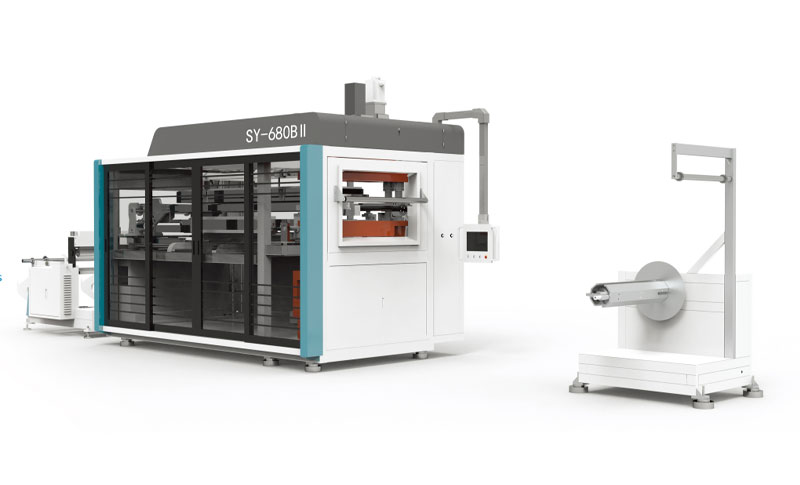
In plastic cup manufacturing, the extruder is central to sheet production: it melts, mixes, and shapes raw plastic into a consistent sheet fed into a thermoforming machine. Extruder quality directly affects sheet thickness uniformity, material efficiency, and final cup quality. For buyers, the challenge is not just choosing a machine with the right screw diameter or output rate—it is about understanding how the extruder fits your specific application, what validation steps matter, and where suppliers may leave gaps that lead to costly downtime.
This article covers core applications of extruders in cup production, key validation points every buyer should include in an RFQ, and common pitfalls procurement teams can avoid. We also discuss how to evaluate supplier capabilities beyond the spec sheet. By the end, you will have a checklist-driven approach to extruder procurement that aligns with your production requirements.
Understanding the Extruder’s Role in Cup Production Lines
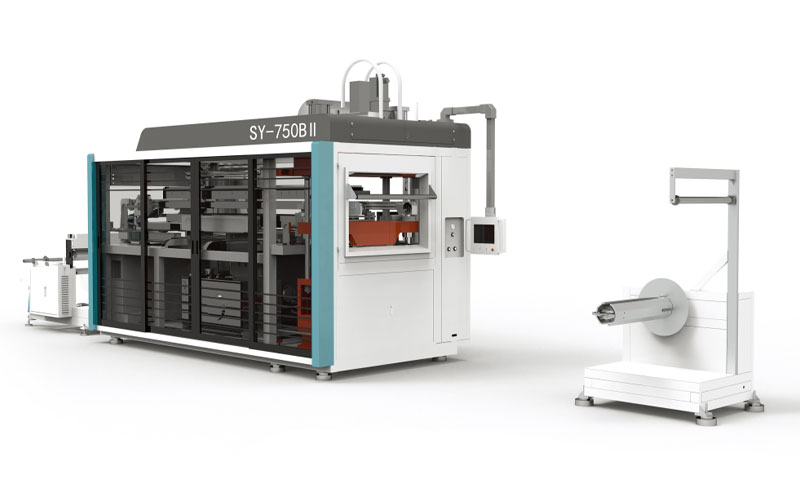
An extruder in a cup line typically consists of a hopper, screw barrel, heating zones, die, and downstream take-off equipment. Screw design and L/D ratio determine how well material is plasticized. Common materials include PP, PS, and PET, each requiring different temperature profiles and screw geometries. A general-purpose extruder may work for one material but perform poorly for another.
When sourcing a plastic sheet extruder, buyers should first map their intended material range. If processing multiple resins, consider a modular screw design or adjustable venting. Multi-layer co-extrusion is increasingly used for cups needing barrier properties, color layers, or recycled content cores. A co-extrusion line uses two or more extruders feeding into a single die to produce a layered sheet. This adds complexity but can reduce material costs and improve product performance.
Understanding the extruder’s role in the overall line is critical. The extruder must match the capacity of the downstream multi-station thermoforming machine. If extruder output is too low, the thermoformer starves; if too high, energy and material are wasted. Most suppliers offer matched lines, but when mixing vendors, verify throughput compatibility.
Buyers should also consider floor space, power requirements, and auxiliary equipment like chillers, crushers, and stackers. For example, an on-line crusher recycles edge trim directly into the extruder hopper, improving yield. Review overall line layout during the quotation phase to avoid integration surprises.
Key Applications: Single-Layer to Multi-Layer Co-Extrusion
Extruder applications in cup production range from single-layer sheet to multi-layer structures. Single-layer extrusion uses one material through one extruder, suitable for basic cups where barrier or appearance are not critical. Many small to medium cup producers use single-layer PP or PS sheets.
Multi-layer co-extrusion uses two or more extruders. A typical three-layer line might have a core layer of recycled material sandwiched between virgin outer layers for food contact safety. A five-layer line could add EVOH for oxygen barrier. The number of layers depends on the target cup performance—e.g., dairy cups often require high-barrier structures to extend shelf life.
When evaluating a multi-layer co-extruder, procurement teams should validate layer thickness control. Ask suppliers: What is the tolerance for each layer? How is layer distribution measured? Does the system include feedback control (e.g., automatic die adjustment)? These details affect material cost and product consistency.
Another application is using the extruder to produce sheet for plastic cup making machines that form cups inline. Inline extrusion-thermoforming reduces reheating energy and improves efficiency. However, it requires tighter coordination between extruder and former. Buyers considering inline lines should request references from similar installations.
Example scenario: A dairy company wants to switch from pre-made sheet to inline co-extrusion to reduce cost. They need a three-layer co-extruder with a PP/EVOH/PP structure. Critical RFQ questions include: Can the screw handle high-viscosity EVOH? Is the die temperature controlled independently per layer? Will the take-off unit maintain consistent tension for thin sheets?
What Buyers Should Validate Before Submitting an RFQ
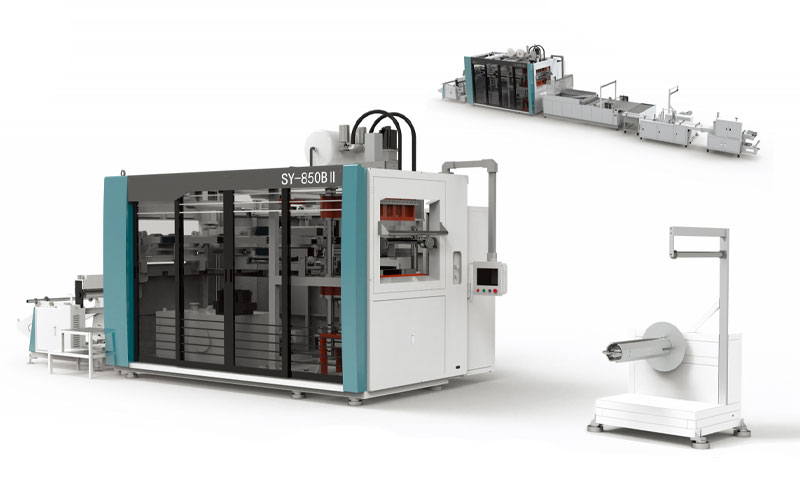
Before sending out an RFQ, create a validation checklist. Many procurement teams focus on price and delivery time but miss technical fit. Here are key checkpoints:
- Material compatibility: Confirm the extruder can process your target resins over the full throughput range. Ask for screw design specifics and melt temperature distribution data.
- Output consistency: Request data on thickness variation across sheet width and over time. A good target is ±2% variation for cast sheet.
- Energy efficiency: Ask for specific energy consumption (kWh per kg) at typical output—this impacts operational cost over years.
- Maintenance access: Evaluate ease of cleaning screws, changing filters, and accessing heaters. Downtime for cleaning can be significant.
- Control system: The PLC should allow recipe storage for different materials and include alarms for deviations. Remote diagnostics can reduce service delays.
- Compliance: Verify electrical standards, CE or UL certification, and any local safety regulations.
Include these in your RFQ template. Require suppliers to respond with specific numbers, not general statements. For example, instead of “good thickness control,” ask for the typical standard deviation of sheet thickness over an 8-hour run.
Also, request a reference list of similar installations—preferably for the same application (cups, not general sheet). Contact those references to ask about uptime, spare parts availability, and supplier responsiveness.
Common Procurement Gaps and How to Avoid Them
Even experienced buyers can fall into traps. One common gap is underestimating auxiliary equipment cost. The extruder itself may be competitively priced, but required chillers, dryers, crushers, and material handling systems add up. A complete line budget should include all peripherals.
Another gap: ignoring installation and commissioning support. Some suppliers offer basic installation supervision, while others leave you to figure it out. Clarify what is included in the price—training, startup assistance, and warranty terms.
A third gap is focusing only on output capacity without evaluating sheet quality. A high-output extruder that produces inconsistent sheet causes rejects downstream. Buyers should arrange a production trial or witness test before finalizing the purchase. If the supplier cannot arrange a trial, reconsider their capability.
Another gap relates to spare parts. Extruder screws, heaters, and screen packs wear out. Ask about lead times for critical spares. Does the supplier have local stock? Some suppliers use proprietary components that are hard to source elsewhere, creating dependency. Prefer extruders with standardized components whenever possible.
Finally, many buyers overlook manufacturing quality assurance. If feasible, visit the supplier’s factory. Check machining capabilities and quality control processes. A well-built extruder from a manufacturer with in-house machining centers—like those described on their site—often delivers better reliability.
Evaluating Supplier Capability and Fit
Supplier evaluation goes beyond the extruder specification. You are partnering with a company for years of support. Consider the following criteria:
- Industry experience: How many cup extrusion lines have they built? Ask for case studies or customer testimonials.
- Manufacturing capabilities: Does the supplier machine their own screws and barrels? In-house machining can mean better quality control and faster spares.
- R&D and customization: Can they modify the extruder for your specific material or output requirement? A flexible supplier is valuable if your product mix changes.
- After-sales support: What is the response time for service calls? Are technicians available in your region? Some suppliers offer remote monitoring and diagnostics.
- Warranty and payment terms: Standard warranty is 12 months, but some offer longer for critical components. Payment milestones should be linked to delivery, installation, and acceptance.
Use a weighted scoring system to compare quotes. Assign higher weight to technical fit and support, less to price alone. A slightly higher initial investment in a proven extruder can pay back through lower downtime and operating costs.
Example scenario: Two suppliers offer similar extruder specs. Supplier A has 20 years in cup sheet extrusion, in-house machining, and a local service team. Supplier B is a general extrusion manufacturer with lower price but limited cup references. The procurement team may choose Supplier A because the risk profile is lower.
Frequently Asked Questions
- What is the difference between a single-layer and multi-layer extruder?
- A single-layer extruder uses one screw and die to produce a homogeneous sheet. A multi-layer co-extruder uses two or more extruders feeding a multi-manifold die to produce a sheet with distinct layers. Multi-layer is used when you need barrier properties, recycled content, or decorative effects.
- How do I determine the right extruder size for my cup production line?
- Compute required sheet output (kg/hour) based on cup volume, cycle time, and number of cavities. Match that to the extruder's output range. Also consider future expansion. Most suppliers can help calculate the match; include a 10-20% buffer for peak demand.
- Should I buy an extruder and thermoformer from the same supplier?
- Often yes, because integration is simpler and there is single-point responsibility. However, some buyers prefer best-in-class for each. If mixing, ensure compatibility in throughput, sheet width, and control communication. Request integration documentation from both suppliers.
- What are typical lead times for a plastic sheet extruder?
- Lead times vary from 4 to 12 weeks for standard models, longer for custom multi-layer lines. Include lead time in your project timeline and ask for a written commitment. Also factor in installation (1-3 weeks) and commissioning.
Conclusion
Procuring an extruder for plastic cup production is a significant investment. By taking a structured approach—mapping your application, validating technical criteria before RFQ, avoiding common gaps, and thoroughly evaluating supplier capability—you can reduce risk and achieve smoother production. Use the checklist points in this article as a starting point for your own procurement document. If you are ready to move forward, consider discussing your requirements with established manufacturers that specialize in cup extrusion lines. For further insights, review resources on plastic cup making machines and integrated thermoforming solutions.