English
 Pусский
 Español
 عربي
عربي

Extruder Procurement Checklist: A Buyer’s Guide
Article Overview: This procurement guide equips decision-makers with a structured framework for evaluating and purchasing an Extruder, with specific emphasis on Plastic Sheet Extruder systems. Based on market-tested criteria, it covers supplier assessment, technical fit, cost-risk tradeoffs, and actionable next steps to support a confident investment.
What Is the Extruder Landscape for Procurement?
Procuring an Extruder—especially a Plastic Sheet Extruder—requires understanding how the technology converts raw plastic pellets into consistent sheet material for thermoforming, packaging, and industrial applications. Extruders vary by screw design, barrel configuration, throughput capacity, and layflat width. For buyers, the primary distinction often lies between single-screw and multi-layer co-extrusion solutions. A Plastic Sheet Extruder is engineered to produce uniform sheets with precise thickness tolerances, directly impacting downstream processes like cup forming or tray stamping. Understanding this landscape helps procurement teams align equipment specs with actual production needs, avoiding over-specification or capability gaps.
What Are the Key Procurement Checkpoints for Extruder Selection?
When evaluating an Extruder, decision-makers should systematically verify the following checkpoints to ensure supplier fit and operational readiness:
- Throughput vs. Demand: Confirm the Extruder’s kg/h output matches your planned production volume, accounting for shift schedules and material changeover times.
- Material Compatibility: Verify the barrel and screw materials (e.g., nitrided steel, bimetallic) can process your target resins (PP, PS, PET, PLA) without excessive wear or corrosion.
- Sheet Width and Thickness Range: For a Plastic Sheet Extruder, ensure the die width and adjustable lip gap cover your required sheet dimensions and tolerances (e.g., ±0.02 mm).
- Energy Efficiency: Compare specific energy consumption (kWh/kg) across suppliers; modern extruders with servo-driven pumps and insulated barrels reduce operating costs.
- Control System: Look for PLC-based systems with remote monitoring, recipe storage, and real-time data logging to support quality assurance and Industry 4.0 integration.
- After-Sales Support: Assess warranty terms, spare parts availability, and technical response times—critical for minimizing downtime.
Each checkpoint should be documented in a requirements matrix and shared with shortlisted suppliers for direct comparison.
How to Evaluate Extruder Suppliers Effectively?
Supplier evaluation goes beyond technical specs. Use a structured process that weighs financial stability, production capability, and market reputation. Start with a request for quotation (RFQ) that includes mandatory technical parameters and optional advanced features. Then conduct a supplier audit—either on-site or virtual—to inspect manufacturing facilities, quality certifications (ISO 9001, CE), and reference installations. Request customer references from similar industries (e.g., thermoforming, sheet extrusion). A key indicator of supplier fit is their willingness to customize a Plastic Sheet Extruder solution to your exact line requirements, rather than offering a one-size-fits-all model. Finally, compare total cost of ownership (TCO): purchase price plus installation, energy, maintenance, and scrap costs over a five-year horizon. This structured approach reduces selection risk and builds a defensible business case. Key evaluation factors to document in a supplier scorecard include:
- Financial stability and production capacity
- Quality certifications and track record
- Customization flexibility for sheet extrusion needs
- After-sales service and spare parts logistics
What Are the Cost-Risk Tradeoffs in Extruder Investment?
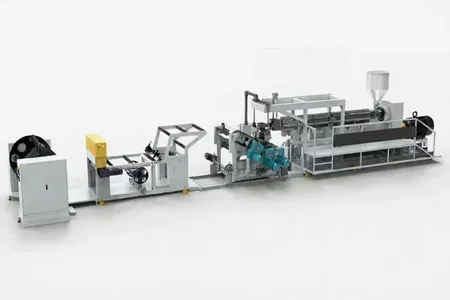
Every extruder procurement involves balancing upfront capital with long-term operational risk. The decision logic can be broken into three phases:
Phase 1: Define Acceptable Risk Boundaries
Identify the maximum acceptable downtime cost per hour and the minimum uptime guarantee expected from a new Extruder. For high-throughput Plastic Sheet Extruders, even a 2% downtime reduction can justify a 5-10% premium on purchase price. Document these boundaries before engaging suppliers.
Phase 2: Quantify Technical Tradeoffs
Rank features by cost impact. For example, a multi-layer die adds 15-20% to machine cost but enables co-extruded sheet with recycled core layers—reducing raw material expense by 10-15%. Similarly, a high-output gear pump improves pressure consistency but increases maintenance complexity. Use a weighted scorecard to compare tradeoff options.
After completing these phases, procurement teams can negotiate from a position of clear priorities, reducing the likelihood of post-installation surprises.
What Implementation Outcomes and Next Steps Should You Expect?
A well-executed Extruder procurement delivers measurable outcomes: consistent sheet quality, reduced waste, and faster time to market for end products like cups, trays, or lids. To reach these outcomes, follow these step-by-step actions:
Step 1 – Finalize Technical Specifications
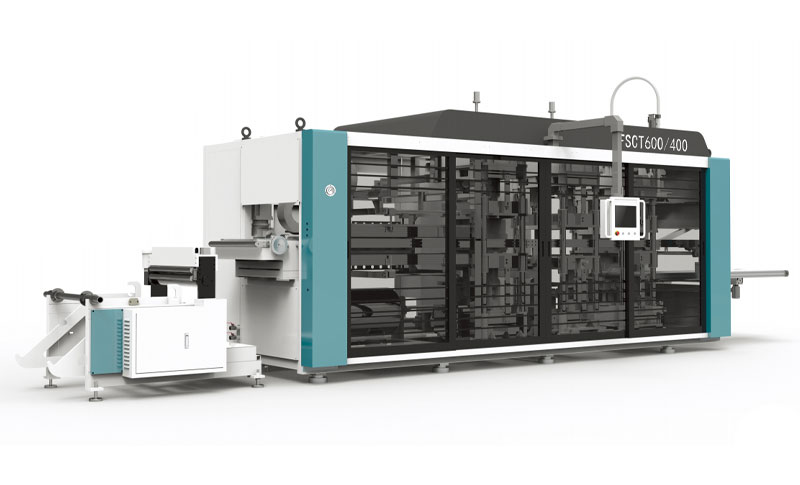
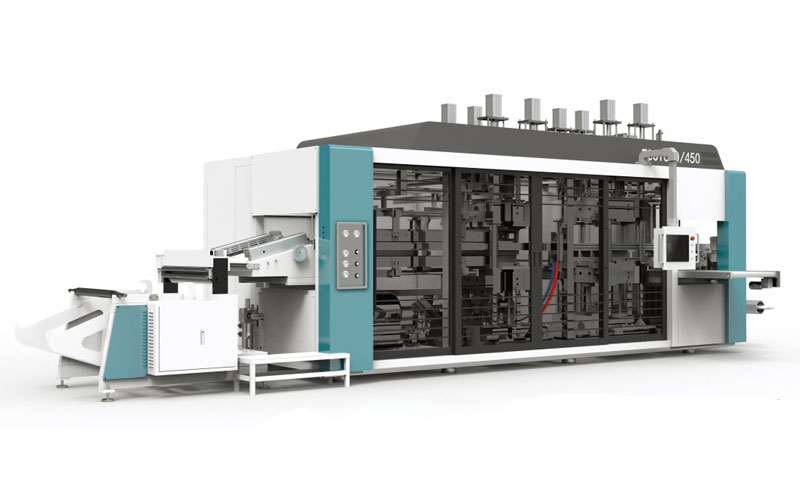
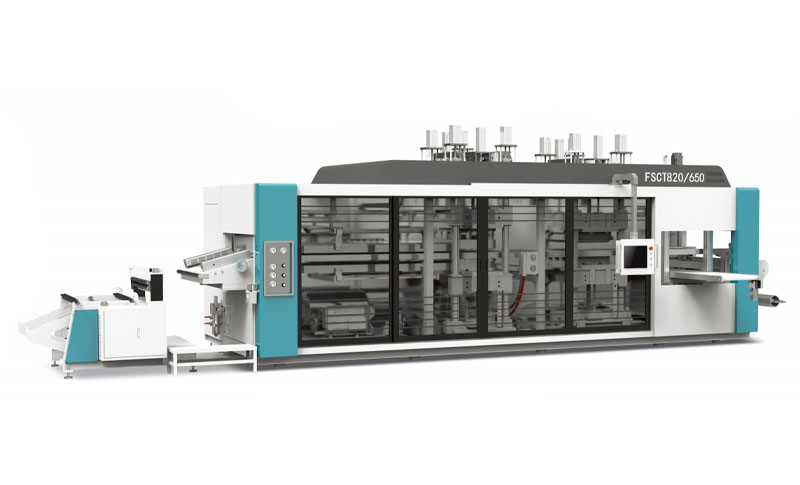
Combine internal production data with supplier feedback to finalize the Extruder’s screw design, L/D ratio, temperature profile, and downstream take-off equipment. Ensure compatibility with existing Multi Station Thermoforming Machine lines if sheet will be fed directly into forming stations.
Step 2 – Execute a Pilot or Witness Test
Arrange a trial run at the supplier’s facility using your target resin and sheet dimensions. Measure output consistency, power draw, and melt temperature stability. Use this data to validate the supplier’s performance claims and refine the final purchase agreement.
Once the equipment is installed, implement a structured training program for operators and a preventive maintenance schedule. Track key performance indicators (yield, uptime, energy cost) monthly during the first year to confirm the Extruder meets the expected return on investment.
Frequently Asked Questions (FAQ)
Q: What is the typical lead time for a Plastic Sheet Extruder?
A: Lead times vary by customization level. Standard machines range 8-12 weeks; highly customized multi-layer co-extrusion lines may take 16-20 weeks. Always include installation and commissioning time in your project timeline.
Q: How do I decide between a single-screw and twin-screw Extruder for sheet production?
A: Single-screw extruders are cost-effective and sufficient for most thermoplastics used in sheet extrusion (PP, PS, PET). Twin-screw extruders offer better mixing and are preferred for compounding or processing temperature-sensitive materials. For a standard Plastic Sheet Extruder, single-screw is the common choice.
Q: What maintenance intervals should I plan for an Extruder?
A: Daily checks include oil levels and temperature sensors; weekly inspections focus on screw/barrel wear and screen pack condition. Major overhauls (screw replacement, bearing service) are typically scheduled yearly or every 8,000 operating hours.
Q: Can the same Extruder handle both virgin and recycled materials?
A: Yes, many modern Extruders are designed for blended feedstocks. However, it requires proper screw geometry, filtration, and degassing sections. Specify this requirement early so the supplier can adjust the Plastic Sheet Extruder design accordingly.
Q: What is the best way to compare prices from different Extruder suppliers?
A: Request a standardized quote that breaks down machine base price, customization fees, freight, installation, training, and warranty options. Then calculate the total cost of ownership over five years, including operator labor, energy, and maintenance costs, to make an apples-to-apples comparison.
Conclusion
Procuring an Extruder—particularly a Plastic Sheet Extruder—demands a disciplined, buyer-centric approach. By understanding the technology landscape, applying structured checkpoints, evaluating suppliers through a transparent process, and carefully weighing cost-risk tradeoffs, procurement decision-makers can secure equipment that delivers consistent output, low operating costs, and reliable performance. The next step is to compile your requirements matrix and initiate conversations with vetted suppliers. For additional insights on integrating an Extruder with downstream forming equipment, explore the Plastic Sheet Extruder system pages available from reputable manufacturers.