English
 Pусский
 Español
 عربي
عربي

Extruder Buyer's Guide: Key Selection Criteria
Article Overview: This guide helps procurement managers, sourcing teams, and project engineers evaluate extruder suppliers, prepare RFQs, and make informed purchasing decisions. It covers critical specifications, supplier assessment criteria, common pitfalls, and actionable checkpoints to reduce risk. Internal links to related equipment are included for deeper context.
Why a Systematic Approach to Extruder Selection Matters?
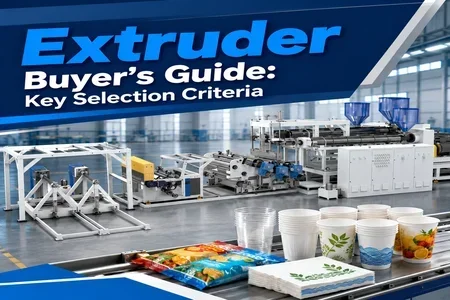
Selecting an extruder is a capital-intensive decision that impacts production quality, downtime, and operating costs for years. A structured evaluation process reduces the chance of overlooking critical parameters. For buyers new to sheet extrusion, the variety of screw designs, heating zones, and control systems can be overwhelming. By establishing clear criteria upfront, procurement teams can compare offerings on an equal basis and avoid costly post-installation surprises.
When you begin your search, consider the specific polymer types you will process (PP, PS, PET, or PLA), desired output rates, and sheet thickness ranges. These factors directly influence the extruder configuration. For example, a multi-layer sheet line requires additional feedblocks and co-extrusion capabilities. A well-prepared procurement team will map these requirements before engaging suppliers.
How to Evaluate Extruder Specifications for Your Production Line?
Start by listing your production parameters: throughput (kg/h), sheet width, thickness tolerance, and layer structure. Then match these against each supplier’s standard offerings. Key specifications to compare include:
- Screw diameter and L/D ratio: Determines melting capacity and mixing uniformity. Typical L/D ratios range from 25:1 to 33:1 for sheet extrusion.
- Heating and cooling zones: More zones allow finer temperature control, which is critical for consistent sheet quality.
- Drive motor power: Must be adequate for the intended output; underpowered drives lead to throughput bottlenecks.
- Screen changer type: Continuous or hydraulic? Continuous changers reduce downtime but have higher upfront cost.
- Material of construction: For corrosive or abrasive compounds, ensure components are hardened or stainless steel.
Ask suppliers for process data sheets and reference installations. If you are evaluating a Plastic Sheet Extruder solution, confirm whether the unit is designed for your target output range. Also inquire about the control system—modern extruders often integrate with plant-wide SCADA via OPC-UA or similar protocols.
Key Supplier Assessment Criteria for Extruder Purchases
Beyond the machine itself, the supplier’s capabilities affect project success. Use the following checklist to rate potential vendors:
- Technical support and service network: Response times, spare parts availability, and remote troubleshooting options.
- Track record with similar applications: Request references for extruders running the same polymer and product type.
- Installation and commissioning support: Does the supplier provide onsite supervision? Are training programs included?
- Quality certifications: ISO 9001, CE marking, or other relevant standards indicate consistent manufacturing processes. Check the supplier’s Certificates for evidence.
- Warranty terms: Length of coverage, what is excluded, and conditions for extension.
During supplier visits, inspect the build quality of key components—gearbox, barrel, screw, and control panel. Pay attention to the cleanliness of wiring and piping; this often reflects overall manufacturing discipline. Also, ask about the company’s history and financial stability, as long-term support is essential for capital equipment. Review the About Us page to understand their background.
Common Procurement Mistakes and How to Avoid Them
Even experienced buyers can fall into traps that delay projects or increase total cost of ownership. Here are three frequent errors and ways to avoid them:
- Overlooking auxiliary equipment integration: An extruder alone cannot produce sheet—it must link to a cooling stack, haul-off, and winding or cutting stations. Ensure the supplier offers or specifies compatible downstream equipment. For example, Auxiliary Equipment such as chillers and crushers may need to be dimensioned together with the extruder.
- Focusing only on purchase price: A lower upfront cost often correlates with higher energy consumption, more frequent downtime, or shorter service life. Request total cost of ownership (TCO) estimates including energy, maintenance, and spare parts over 5 years.
- Skipping on-site trials: If possible, arrange a test run with your own resin. Many reputable suppliers allow machine demonstrations before purchase. This validates throughput claims and sheet quality.
Another common pitfall is failing to verify the supplier’s compliance with local electrical and safety codes. Acceptance testing should be part of the contract, including torque and speed verification under load.
Comparing Extruder Configurations: Single-Screw vs. Twin-Screw
| Single-Screw Extruder | Twin-Screw Extruder |
|---|---|
| Typical throughput range: 100–800 kg/h for sheet | Typical throughput range: 200–1200 kg/h for compounding |
| L/D ratio: 25:1 to 33:1 | L/D ratio: 20:1 to 40:1 (co-rotating or counter-rotating) |
| Mixing capability: Adequate for most thermoplastics | Mixing capability: High; suitable for fillers, recycling, devolatilization |
| Investment cost: Lower (standard design) | Investment cost: Higher (complex design) |
| Maintenance complexity: Moderate | Maintenance complexity: Higher (more wear parts) |
| Energy consumption: Varies by configuration | Energy consumption: Varies by configuration |
For most sheet extrusion applications, a single-screw extruder is the standard choice. However, if you process regrind or require intensive mixing, a twin-screw design may be justified. Validate throughput and quality with your specific material before finalizing.
Preparing an Effective RFQ for Extruder Suppliers
A well-structured RFQ (request for quotation) saves time and yields comparable bids. Include the following sections:
- Process requirements: Polymer type(s), output rate, sheet width and thickness range, tolerance requirements, and number of layers.
- Scope of supply: Specify whether you need just the extruder, or a complete line including melt pump, die, cooling stack, and winder.
- Performance guarantees: Require suppliers to state guaranteed output, energy consumption per kg, and sheet thickness variation.
- Installation and training: Detail who is responsible for foundation preparation, electrical hookup, and operator training.
- Timeline: Request lead times for delivery, installation, and commissioning. Include milestones for payment.
When you receive quotes, compare them using a weighted scoring matrix that reflects your priorities. Involve process engineers in evaluating technical compliance. If a supplier claims a unique advantage—such as a proprietary screw design—ask for documented evidence from independent tests or customer references.
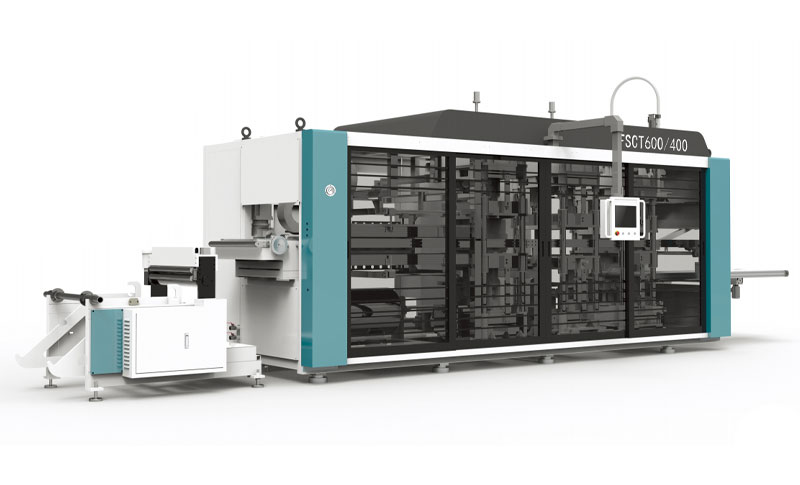
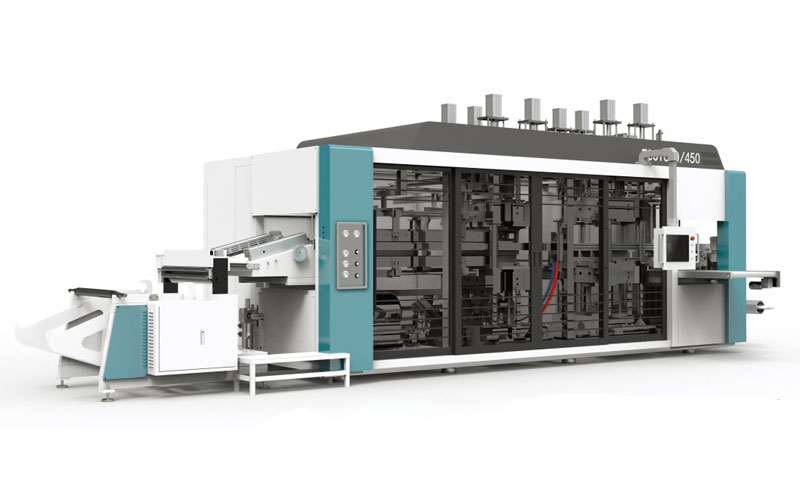
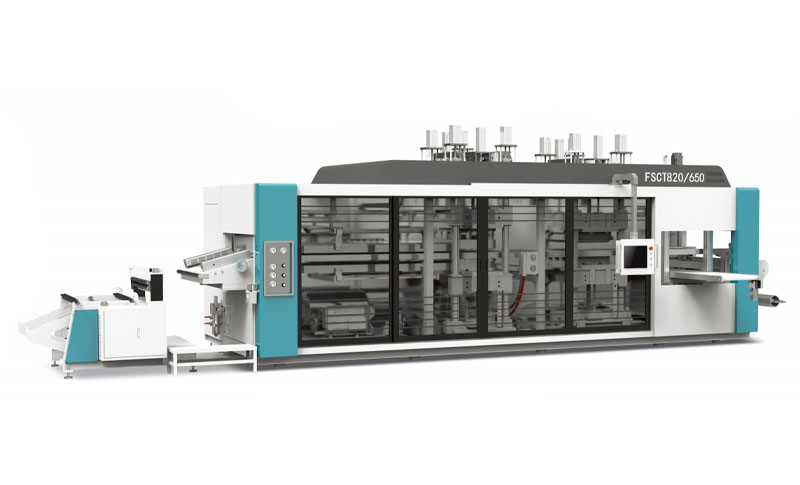
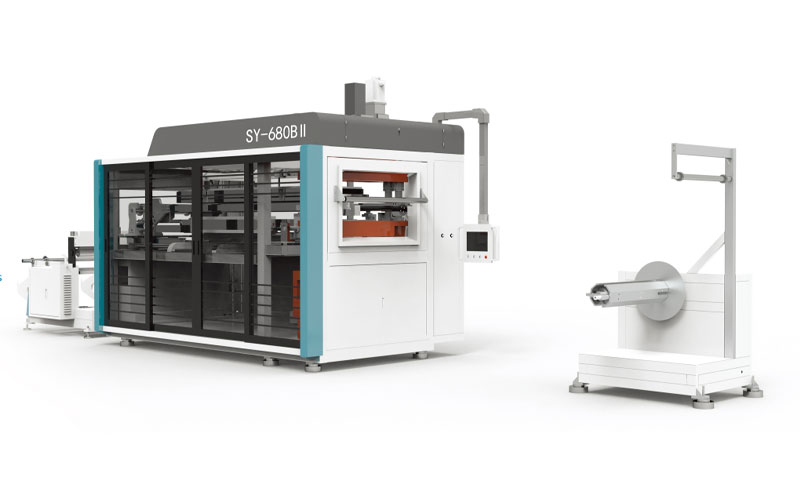
For more information on how extruders integrate with downstream forming processes, see our Multi Station Thermoforming Machine page, which shows one common application of sheet extrusion. Additionally, if your final product includes cups, explore the Plastic Cup Making Machine for a complete line view.
FAQ
What is the typical lead time for a custom extruder?
Lead times vary by complexity and manufacturer. Standard single-screw extruders may ship in 8–12 weeks; multi-layer co-extrusion lines with custom dies can take 16–24 weeks. Always confirm with your supplier and include buffer for installation.
How do I decide between a single-screw and twin-screw extruder for sheet production?
Single-screw extruders are generally used for melting and pumping a single polymer in sheet lines. Twin-screw extruders offer better mixing and devolatilization, making them suitable for compounds or recycled materials. For most sheet applications, single-screw is standard unless you require high filler content or degassing.
What maintenance schedule should I plan for an extruder?
Routine maintenance includes daily checks on oil levels, bearings, and heater bands; weekly inspections of screen changer and barrel cooling; and periodic screw removal for wear measurement. A preventive maintenance agreement with the supplier can extend equipment life.
Can an extruder be retrofitted for different polymers later?
Yes, but it requires component changes—screw, barrel, and possibly motor. Discuss modularity with suppliers. Some manufacturers design their extruders with interchangeable screws to facilitate future changes. If flexibility is important, specify this in your RFQ.
Conclusion
Choosing the right extruder requires a clear understanding of your production needs, a disciplined supplier evaluation, and a thorough RFQ process. By following the checkpoints in this guide—focusing on specifications, supplier capabilities, and TCO—you can reduce procurement risk and build a foundation for efficient sheet production. Remember to involve your engineering team early, verify performance with evidence, and secure post-installation support. A well-informed purchase today will yield reliable output for years to come.
For a closer look at extrusion line options, explore our Plastic Sheet Extruder solution designed for consistent sheet quality and integration with thermoforming systems. Also review Quality standards we follow.