English
 Pусский
 Español
 عربي
عربي

Extruder and Plastic Sheet Extruder Guide
Article Overview: This article provides a comprehensive introduction to extruders, with a focus on the Plastic Sheet Extruder. It covers the basic principles of extrusion, key components, types of sheet extrusion systems, and practical guidance for evaluating extrusion machinery. Whether you are new to plastic processing or evaluating equipment for a production line, this guide offers foundational knowledge to support informed decisions.
What is an Extruder and How Does a Plastic Sheet Extruder Work?
An extruder is a machine that continuously processes plastic raw material into a uniform melt and then shapes it through a die. In sheet extrusion, the Plastic Sheet Extruder is the core unit that converts polymer pellets or flakes into a flat sheet of controlled thickness and width. The process involves several stages, each critical to final sheet quality.
Step 1: Material Feeding and Melting
Raw plastic material (e.g., PP, PS, or PET) is fed into the extruder's hopper. A rotating screw inside a heated barrel conveys the material forward while friction and external heaters raise its temperature above the melting point.
Step 2: Filtration and Die Forming
The molten plastic passes through a screen pack to remove contaminants, then enters a flat die. The die distributes the melt evenly across the desired width. For multi-layer sheets, a co-extrusion system combines multiple melt streams before the die.
After exiting the die, the sheet is cooled via polishing rolls, then drawn, trimmed, and wound into rolls. The stability and consistency of the extruder directly affect thickness variation, surface finish, and mechanical properties of the final sheet.
Why the Plastic Sheet Extruder is Critical for Consistent Sheet Quality?
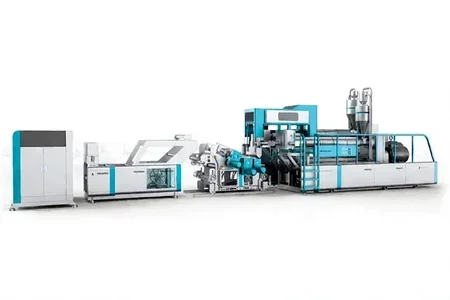
Several factors within the sheet extrusion system determine whether the output meets specification. Key parameters include:
- Temperature profile: Precise barrel and die temperature control prevents degradation and ensures uniform melt viscosity.
- Screw design: The geometry (compression ratio, mixing elements) influences melting efficiency and homogeneity.
- Die design: A well-designed coat-hanger or T-die delivers uniform flow across the sheet width.
- Take-off speed: Draw ratio must be synchronized with extruder output to maintain thickness tolerances.
Additionally, the choice between single-layer and multi-layer extrusion affects barrier properties, cost, and recyclability. For example, a Plastic Cup Making Machine downstream often relies on consistent sheet from a high-quality extruder. Many processors also integrate auxiliary equipment like melt pumps and thickness gauges to enhance process stability. Regular audits at the quality station help ensure the extruder settings are maintained over long production runs.
How to Choose the Right Extruder for Your Plastic Sheet Line?
Selecting the appropriate extrusion machine requires evaluating your specific production goals. Follow this structured approach:
Phase 1: Define Material and Output Requirements
Identify the polymer(s) you will process – their melt flow index, thermal sensitivity, and whether you need co-extrusion for multiple layers. Determine required sheet width, thickness range, and throughput (kg/h).
Phase 2: Compare Machine Specifications and Supplier Capabilities
Evaluate extruder screw diameter, L/D ratio, motor power, and control system. Request data on specific energy consumption and previous installations. A Multi Station Thermoforming Machine often pairs with a specific extruder output; ensure compatibility. Consider the supplier's experience with sheet extrusion – review their certificates and customer references.
Other important criteria include the availability of spare parts, technical support, and the possibility of custom solutions. For instance, some extruders offer modular designs that allow future upgrades to co-extrusion capabilities. A visit to the manufacturer's facility can provide deeper insight into build quality and testing procedures.
Common Applications of Plastic Sheet Extruders
Plastic sheet produced via extrusion finds use in many industries. Below are typical application areas:
- Packaging: Thermoformed containers, trays, and blister packs (often using PP, PS, or PET sheets).
- Automotive: Interior trim panels and protective films.
- Medical: Sterile barrier packaging and disposable device components.
- Construction: Wall panels, roofing membranes, and signage.
Each application places different demands on sheet properties: clarity, impact resistance, heat tolerance, or barrier performance. The extruder's ability to maintain tight tolerances and consistent melt quality directly influences downstream conversion success. Many manufacturers also offer dedicated plates and sheet handling solutions to complement the extruder line. Explore the Application Center for more industry-specific use cases.
Frequently Asked Questions
What should buyers evaluate first about Extruder?
Start with fit, evidence-backed requirements, and supplier proof relevant to Extruder before shortlisting vendors.
How can teams reduce procurement risk for Extruder?
Use structured comparison, validate specifications early, and review implementation or quality checkpoints with documented evidence.
Conclusion
The extruder is the heart of any plastic sheet production line. Understanding its operating principles, key components, and selection criteria empowers buyers to make choices that align with their production needs. Whether you are evaluating a Plastic Sheet Extruder for a new line or upgrading an existing one, a focus on process control, material compatibility, and supplier reliability will lead to better long-term outcomes. Use the resources and internal links in this guide to explore further details on specific machinery and support systems.