When your production line requires consistent, high-quality plastic sheet for cup forming, the choice between single-layer and multi-layer co-extrusion becomes a critical procurement decision. Multi-layer sheet co-extruders offer distinct advantages in barrier properties, material cost optimization, and product differentiation, but they also introduce complexity in supplier selection, process validation, and long-term maintenance. For procurement managers, sourcing teams, and project engineers, the decision is not just about machine specifications; it is about ensuring that the equipment aligns with your production volume, material flexibility, and quality standards while minimizing operational risk.
This guide provides a structured approach to evaluating Multi-Layer Plastic Sheet Co-Extruder suppliers and preparing an effective RFQ. Whether you are upgrading from a single-layer line or expanding capacity, the following sections outline the key checkpoints, decision criteria, and cost-risk tradeoffs that will help you make a confident purchase.
Understanding Multi-Layer Sheet Co-Extrusion Technology
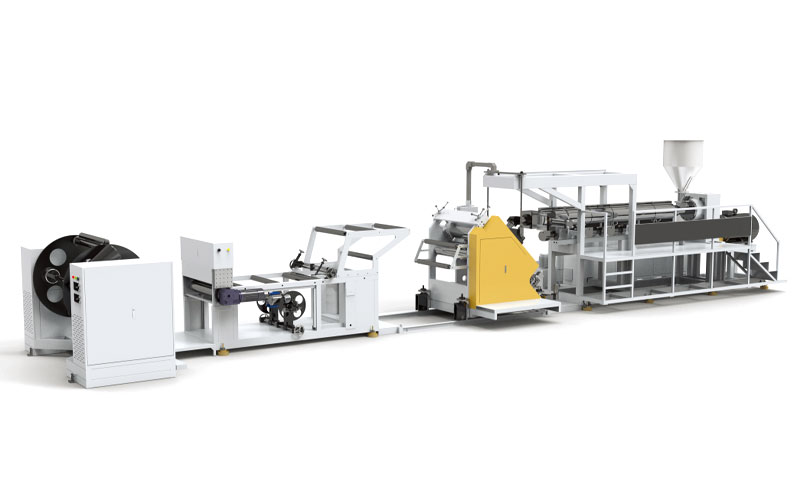
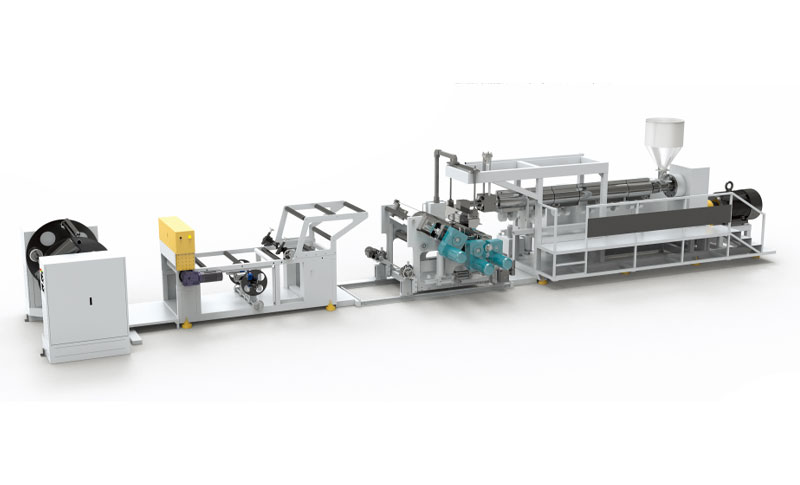
Multi-layer co-extrusion combines two or more polymer layers into a single sheet structure, often using dedicated extruders for each layer and a feedblock or die system that distributes the melts in a controlled manner. The resulting sheet can incorporate different materials to achieve specific properties—for example, a core layer of inexpensive regrind material sandwiched between outer layers of virgin polymer for aesthetics and strength, or a barrier layer in the middle for oxygen or moisture resistance.
Typical configurations for cup production include three-layer, five-layer, or even seven-layer structures. The choice depends on the cup application: cold drinks may require only a basic structure, while hot-fill or shelf-stable products demand high-barrier layers. As a buyer, you need to validate that the co-extruder can handle the materials you intend to use (PP, PS, PET, or biodegradable resins) and maintain precise layer thickness control. Ask suppliers for independent test data or reference installations showing layer uniformity across the full sheet width.
Key Supplier Evaluation Criteria for Co-Extruders
When evaluating potential suppliers, focus on the following areas that directly impact your production reliability and total cost of ownership.
Machine Specifications and Flexibility: Verify the screw diameters, L/D ratios, and drive power for each extruder in the line. A multi-layer system’s performance depends on the ability to adjust individual extruder speeds to maintain layer ratios. Request clear documentation on achievable sheet width, thickness range (typically 0.3-2.0 mm), and output rates (kg/h). Also confirm whether the machine can switch between different layer configurations without lengthy changeovers.
Process Control and Quality Assurance: Co-extrusion requires precise temperature and pressure control across all extruders, dies, and chill rolls. Look for systems with PLC-based automation, melt pressure sensors, and automatic gauge control. Ask how the supplier monitors layer thickness—inline or offline measurement—and what tolerances they guarantee. For cup forming, consistent sheet thickness translates directly into consistent cup wall thickness, reducing scrap and rejects.
Material Compatibility and Testing: The supplier should demonstrate experience with the specific polymers you plan to use. If you intend to incorporate recycled content (PCR or PIR), confirm that the co-extruder can handle material with higher melt flow variability without compromising layer stability. Request a material compatibility matrix and, if possible, a trial run using your own material blend before purchase.
After-Sales Support and Spare Parts: Co-extruders are capital equipment that will operate for years. Evaluate the supplier’s service network, response times, and spare parts availability. Check whether the supplier offers remote diagnostics, training for your operators, and documentation for maintenance procedures. A supplier with a local service presence or a reliable logistics partner can significantly reduce downtime.
Developing an Effective RFQ for Multi-Layer Sheet Co-Extruders
A well-structured RFQ is your tool to compare suppliers on an apples-to-apples basis. Beyond basic pricing, include sections that address technical, commercial, and logistical aspects.
Technical Requirements: Specify the number of layers, target sheet width and thickness, output rate (kg/h or kg/day), material types (including regrind percentage), and acceptable tolerances. Ask for a detailed bill of materials for the extruders, die, chill roll stack, winder, and control system. Request power consumption data (kWh per kg of output) to compare efficiency.
Validation and Testing: Request a clear statement of what testing the supplier performs before shipment—factory acceptance test (FAT) with your materials or standard ones. Define acceptance criteria such as sheet thickness variation, layer distribution, and mechanical properties. Also ask about on-site commissioning and performance validation (SAT) after installation.
Commercial Terms and Delivery: Inquire about lead times, payment milestones, and warranty terms (typical is 12 months from commissioning). Ask about coverage for spare parts: critical spares for the extruder screws, barrels, dies, and control components. If you require installation supervision or operator training, specify those in the RFQ.
Example Scenario: A procurement team seeking a 5-layer sheet line for PP cups might include in their RFQ: “The co-extruder must accept up to 40% regrind in the core layer while maintaining a 10% layer thickness tolerance. The supplier shall provide FAT data showing layer distribution at three points across the sheet width.”
Cost-Risk Tradeoffs and Implementation Considerations
Purchase price is only one part of total cost. Consider the following tradeoffs when making your decision.
Energy Efficiency vs. Output: Higher output co-extruders often consume more energy, but modern servo-driven units and well-insulated barrels can reduce operating costs. Request energy consumption data per kilogram of output and compare over a five-year horizon.
Multi-Layer Complexity vs. Operational Simplicity: More layers offer flexibility but require more skilled operators and longer startup times. Evaluate whether your team has experience with multi-layer extrusion, or if the supplier can provide comprehensive training. A machine that is too advanced for your current capabilities may lead to higher scrap during the learning curve.
Installation and Infrastructure: Co-extruders require additional floor space, power supply, and sometimes cooling water capacity. Coordinate with your facilities team early to avoid delays. Include site preparation and installation costs in your total project budget.
Risk Mitigation: Common procurement mistakes include underestimating the need for spare parts, neglecting to verify material compatibility before purchase, and failing to secure written performance guarantees. To reduce these risks, always obtain references from at least two current users of the supplier’s co-extruders, preferably in a similar application. Visit a reference site if possible.
Frequently Asked Questions
Q: What is the typical payback period for a multi-layer sheet co-extruder compared to a single-layer line?
A: Payback depends on volume, material savings, and scrap reduction. In many cases, the ability to use lower-cost core materials or regrind can justify the investment within 2-3 years. A detailed ROI analysis should factor in energy, labor, and maintenance costs.
Q: How do I verify that a supplier’s co-extruder can produce sheet for cups with consistent wall thickness?
A: Request gauge control data from the supplier and check whether they use automatic die adjustment. During FAT, you can measure sheet thickness across width and length. Also ask for references from clients who use the sheet for cup forming.
Q: What are the most common failure points in multi-layer co-extrusion lines?
A: Layer instability due to melt temperature variations, feedblock contamination, and roll wear are common. Preventive maintenance and quality control sensors help mitigate these issues.
Q: Should I choose a supplier that manufactures both the co-extruder and the cup forming machine?
A: Having a single supplier for the whole line can simplify integration, but it may limit your options. Evaluate the supplier’s track record in each machine type. Separate suppliers can also work if they coordinate during commissioning.
Conclusion
Selecting the right Multi-Layer Plastic Sheet Co-Extruder for cup production requires balancing technical performance, supplier capability, and total cost of ownership. By structuring your evaluation around clear criteria—layer flexibility, process control, material compatibility, and support—you can reduce procurement risk and ensure the equipment meets your production goals. Use the RFQ framework provided here to gather comparable data from multiple vendors, and always validate claims through trials, references, and performance guarantees.
Your next step: Assemble a cross-functional team with procurement, engineering, and production representatives to define your specific requirements. Then issue an RFQ to at least three qualified suppliers, using the checkpoints outlined in this guide. With careful preparation, you will be well positioned to choose a co-extruder that delivers consistent sheet quality and long-term value.