English
 Pусский
 Español
 عربي
عربي

Extruder Procurement: A Practical Guide for Evaluating Suppliers and Preparing Your RFQ
Article Overview: This guide provides procurement managers, sourcing teams, and project engineers with a structured approach to evaluating extruder suppliers and preparing effective RFQs. It covers key technology considerations, supplier validation steps, and risk-mitigation strategies to reduce costly procurement mistakes.
Understanding Extruder Technologies and Their Role in Your Production Line
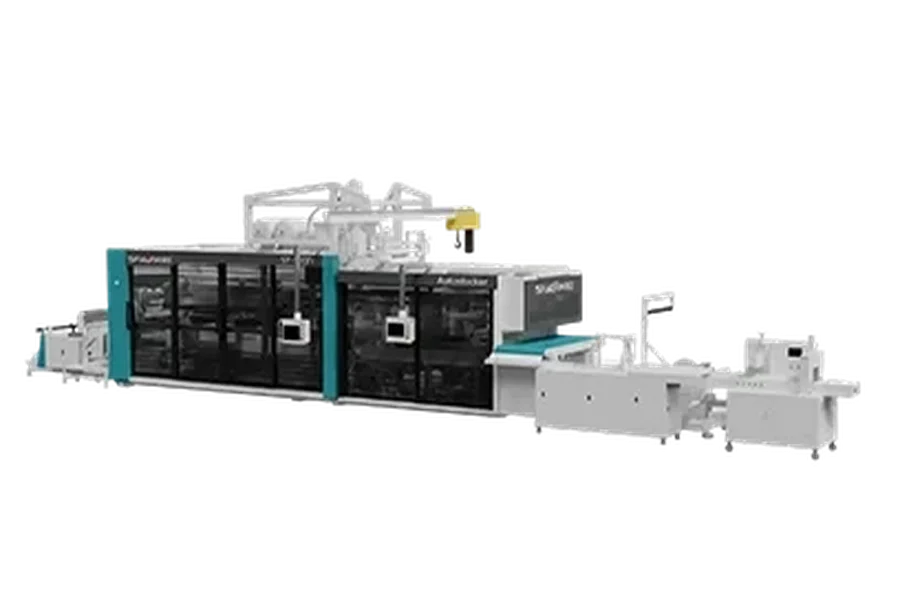
Extruders form the core of many plastic converting operations, transforming raw polymer pellets into a continuous melt that can be shaped into sheet, film, or profiles. For buyers evaluating a Plastic Sheet Extruder, the technology choices directly affect throughput, sheet quality, and downstream process stability. Common configurations include single-screw, twin-screw, and multi-layer co-extrusion systems. Multi-layer lines allow combining different materials in a single sheet to achieve barrier properties or cost savings. When preparing your RFQ, it is essential to specify your target output width, thickness range, material types, and desired layer structure. Suppliers often provide standard models, but customizations for screw design, heating zones, and die configurations are common. Understanding these options helps you compare offers on an equal basis.
| Parameter | Single-Screw Extruder | Twin-Screw Extruder |
|---|---|---|
| Typical throughput (kg/hr) | 50–500 | 100–2,500 |
| Mixing quality | Good for standard polymers | Excellent for blends and filled materials |
| Energy efficiency | Higher (lower specific energy) | Moderate (higher specific energy) |
| Capital cost | Lower | Higher |
| Maintenance complexity | Lower | Higher |
| Best suited for | High-volume, single-material production | Compounding, multi-layer, or specialty materials |
| Lead time (typical) | 8–12 weeks | 12–20 weeks |
What Key Criteria Should You Include in Your Extruder RFQ?
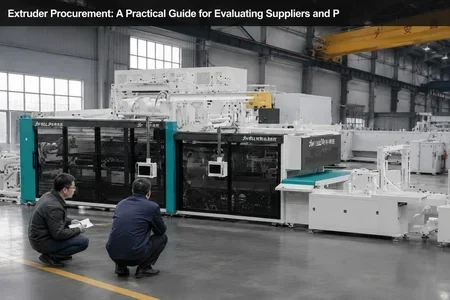
A well-structured RFQ reduces ambiguity and helps suppliers provide comparable quotes. Below is a checklist of criteria to include:
- Material and output specifications: List target polymers (e.g., PP, PS, PET), throughput in kg/hr, sheet width and thickness range. For multi-layer lines, specify each layer's material and thickness.
- Energy and utility requirements: Request power consumption, cooling water flow, compressed air needs. This helps estimate operational costs.
- Control system and automation: Specify PLC brand, HMI requirements, and compatibility with your existing MES or ERP. Ask about remote monitoring capabilities.
- Quality and compliance: Require documentation of certifications (e.g., CE, UL) and adherence to standards for food contact or medical applications if relevant.
- After-sales support and warranty: Clarify spare parts availability, response times, and training programs. Reliable suppliers often provide installation supervision and operator training.
Be precise about tolerances for sheet thickness and flatness, as these directly impact downstream thermoforming or printing processes. If you plan to integrate the extruder with existing equipment such as a Multi Station Thermoforming Machine, include interface specifications in your RFQ.
How to Validate Supplier Capability and Quality Before Purchase
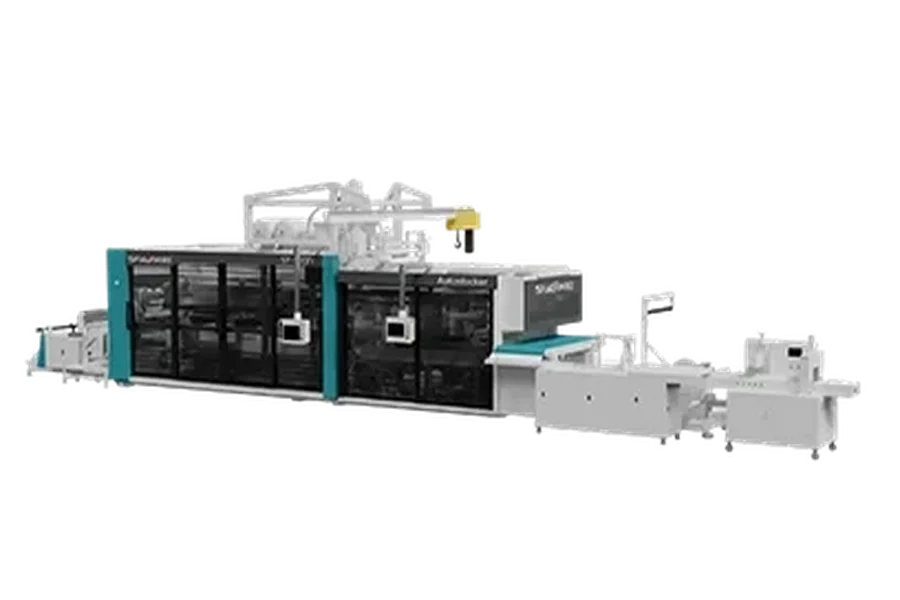
Validating a supplier’s manufacturing capability and quality management reduces the risk of performance shortfalls. Start by requesting factory audits or virtual walkthroughs. Assess the supplier’s in-house machining capabilities; for example, a dedicated Machining Center operation indicates precision component manufacturing. Review their quality control processes—check if they have documented procedures for incoming material inspection, in-process checks, and final testing. Ask for references from customers with similar production lines. Request a sample run or visit an existing installation to see the extruder operating under real conditions. Evaluate the supplier’s long-term stability: financial health, order backlog, and after-sales network. A supplier that also provides downstream equipment like a Plastic Cup Making Machine may offer better integration and single-source accountability. Finally, confirm warranty terms and spare parts inventory policies to avoid costly downtime later.
Evaluating Multi-Layer Co-Extrusion Requirements for Your Line
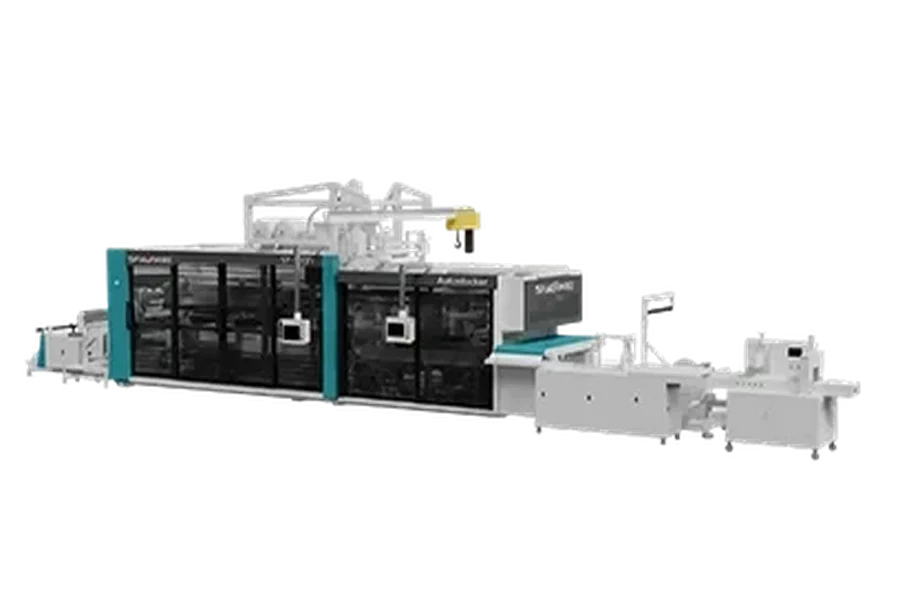
If your application requires barrier properties, recycled content cores, or specific surface aesthetics, a multi-layer co-extrusion line may be the right choice. When evaluating these systems, consider the following procurement checkpoints:
- Layer feedblock design: Determine whether a fixed or adjustable feedblock is needed. Adjustable systems offer flexibility for product changes.
- Extruder configurations: Each layer requires a dedicated extruder. Ensure the supplier can match screw designs to the specific materials (e.g., high-viscosity barrier resins).
- Die and polish stack: For sheet lines, the die must deliver uniform flow across the width. A precision polishing stack is critical for surface quality and thickness consistency.
- Edge trim and recycling: In-line crushers and recycling systems can improve yield. Ask about compatibility with Auxiliary Equipment such as crushers and chillers.
Request detailed layer ratio capability and typical achievable tolerances from the supplier. A trial run using your materials is strongly recommended before final commitment.
Procurement Checkpoints: From Initial Inquiry to Final Acceptance
The procurement process for an extruder involves several stages. Use the following checkpoints to maintain control:
- Technical specification and RFQ: Develop a detailed technical specification covering throughput, materials, line speed, and quality targets. Distribute to at least three qualified suppliers.
- Commercial evaluation: Compare not only price but also total cost of ownership (TCO), including energy use, maintenance intervals, and spare parts costs. Request a breakdown of delivery terms, payment milestones, and penalties for delays.
- Supplier audit and reference visits: Conduct audits of potential suppliers. Review their production facility, quality certifications, and customer references. Pay attention to past performance in delivering similar lines.
- Contract and project management: Ensure the contract includes clear scope, deliverables, timeline, acceptance criteria, and training commitments. Designate a project manager for communication.
- Factory acceptance test (FAT): Before shipment, witness a FAT at the supplier’s site. Test the line with your materials and verify all performance parameters. Document results and agree on corrective actions for any deviations.
- Installation and commissioning: Plan site preparation, utility connections, and installation supervision. The supplier should provide a commissioning engineer and training for your operators.
- Post-installation support: Establish a service agreement for ongoing maintenance and tech support. Maintain an inventory of critical spare parts.
Throughout the process, maintain records of all communications and test results. For comprehensive support, consider working with a supplier that offers an entire ecosystem, such as a company experienced in integrated lines.
FAQ
What is the typical lead time for a custom extruder line?
Lead times vary by complexity and supplier capacity. A standard single-screw extruder may take 8–12 weeks, while a multi-layer co-extrusion line can require 16–24 weeks plus installation. Always confirm current lead times directly with suppliers.
How do I decide between a single-screw and twin-screw extruder?
Single-screw extruders are more economical and simpler for processing standard polymers like PP and PS. Twin-screw extruders offer better mixing and are preferred for compounds, filled materials, or when higher throughput is needed. Your material formulation and desired output quality should guide the choice.
What documentation should a reliable extruder supplier provide?
At minimum, request a technical data sheet, general arrangement drawing, electrical schematics, installation manual, maintenance schedule, and CE or other certification documents. Quality records from the supplier’s own Quality system are also valuable.
Can a used extruder be a cost-effective alternative?
Used equipment may reduce upfront cost but carries risks such as unknown wear, lack of warranty, and possible obsolescence of controls. If considering used, commission an independent inspection and factor in potential refurbishment costs. For critical lines, new equipment with a full warranty is often the safer choice.
Conclusion
Successful extruder procurement demands careful upfront planning, clear specifications, and rigorous supplier evaluation. By using the RFQ checklist, validation steps, and checkpoint process outlined in this guide, procurement teams can reduce risk and select a supplier that meets both technical and commercial needs. Remember to involve your engineering team early, conduct on-site audits, and negotiate a contract that protects your interests. The right Plastic Sheet Extruder can be a cornerstone of a reliable, efficient production line for years to come.