English
 Pусский
 Español
 عربي
عربي

Article Overview: This comprehensive guide examines practical, low-cost improvements around the extruder that can boost productivity, reduce waste, and extend equipment life. Written for engineering and operations leaders, it covers screw geometry refinements, temperature profiling, die head maintenance, automation upgrades, and supportive auxiliary equipment. The goal is to help you identify credible upgrades without overinvesting, presented from an educational discovery perspective.
Understanding the Extruder’s Core Role
The extruder is the heart of any plastics sheet production line. It melts, mixes, and pressurizes polymer resin before it passes through a die and into the forming section. While many buyers focus on downstream equipment such as the plastic cup making machine or the thermoformer, the extruder’s stability directly determines sheet thickness consistency, optical clarity, and mechanical properties. Even small deviations in melt temperature or pressure can cascade into rejected cups or rolls. Therefore, optimizing the extruder—often with modest investments—can yield disproportionate returns. This guide demystifies common improvement areas, providing actionable insights grounded in extrusion science. For a deeper look at the extruder itself, see the plastic sheet extruder page.
Screw Design: The First Lever for Performance
The screw is the only moving part that processes the resin. Its geometry—compression ratio, flight depth, and mixing elements—dictates how efficiently the polymer melts and homogenizes. Many production lines run a general-purpose screw that works passably for several materials but excels at none. A targeted improvement is to replace the screw with one designed for your primary resin (e.g., PP or PS). For example, a barrier screw separates the solid bed from the melt pool, reducing temperature variation and improving throughput by 10–15%. Another small upgrade is adding a Maddock-style mixing section at the end of the screw; this breaks up thermal inhomogeneities without increasing screw length.
Practical implementation: Work with a screw manufacturer to measure your current screw’s geometry and compare it to recommended profiles for your material. The cost is typically $3,000–$8,000 for a new screw—a fraction of a new extruder. Payback often comes within three to six months through reduced scrap and higher line speed. For instance, a processor running PP sheet reduced gauge variation from ±5% to ±2% after switching to a barrier screw, directly decreasing scrap by 3%.
Temperature Control: Precision Over Power
Melt temperature consistency is critical for sheet gauge uniformity. Many extruders use barrel heaters with on/off control that create temperature cycles of ±5°C or more. Upgrading to PID (proportional–integral–derivative) controllers with thermocouples placed closer to the melt channel can narrow that band to ±1°C. This small electronic change often costs under $2,000 per zone and directly reduces gage variation. Additionally, thermal profiling—applying a decreasing temperature along the barrel (e.g., zone 1 at 200°C, zone 3 at 190°C)—reduces thermal degradation while maintaining melt pumpability. The effect is especially noticeable with recycled resins that contain varying melt-flow indexes. Combining PID control with a melt pump (gear pump) stabilizes header pressure, enabling tighter thickness tolerances without replacing the extruder itself. Over time, consistent temperature also reduces screw wear and energy consumption.
Die Head and Screen Pack Maintenance
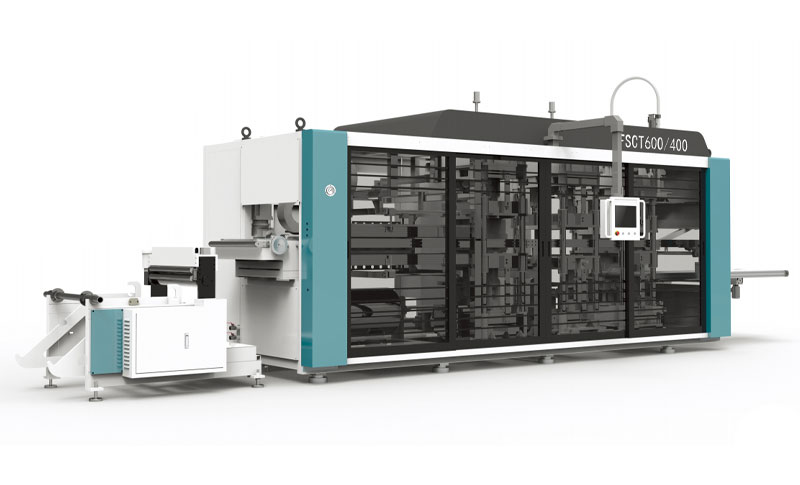
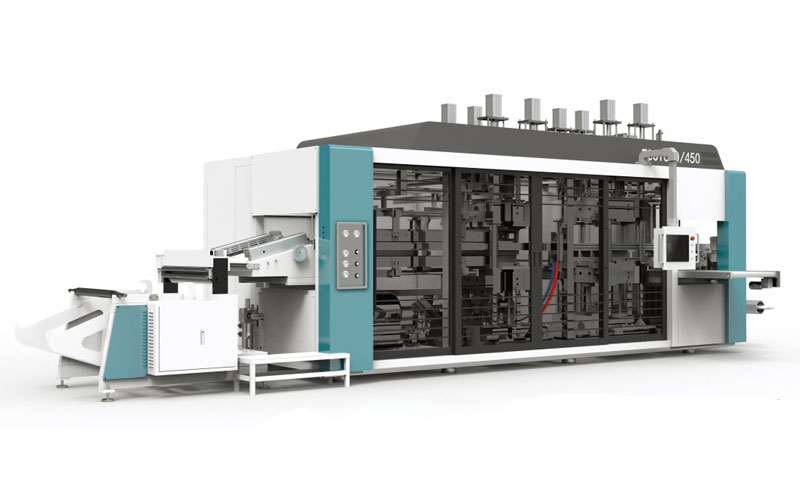
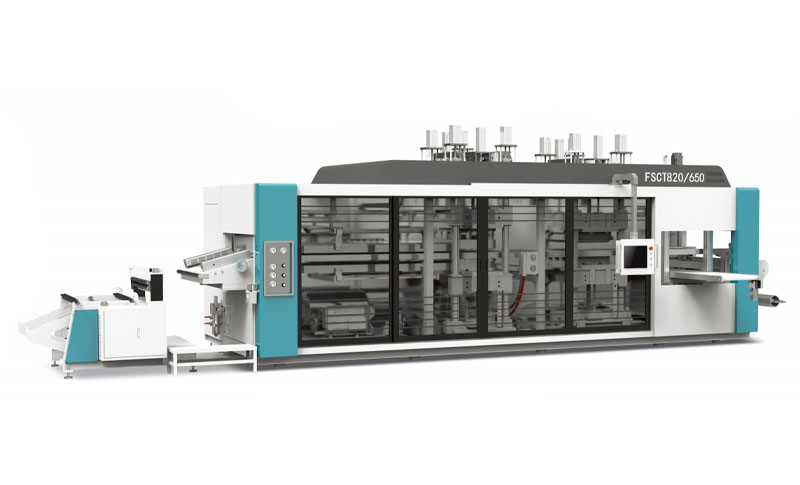
The die head distributes melt across the sheet width. A common oversight is neglecting die lip wear and internal polish. Over time, die surfaces develop microscratches that cause melt hang-up and “gel” specks in the sheet. Having the die re-polished or applying a chromium coating (a few thousand dollars) can eliminate these defects. Similarly, screen packs protect downstream equipment but can become the bottleneck if not changed regularly. Installing a continuous screen changer eliminates the need to stop the line for screen swaps, reducing downtime by several hours per week. For multi-layer sheet production, co-extrusion feedblock and die alignment is critical. Misalignment leads to layer thickness variations. A simple alignment check using a surface plate and dial indicator, followed by shimming, restores layer uniformity—a half-day maintenance task with no capital cost. If you produce barrier sheet for food packaging, these adjustments directly affect oxygen transmission rates. To learn more about downstream forming, see the multi station thermoforming machine.
Automation and Data Collection: Small Sensors, Big Insights
Installing additional sensors on the extruder yields process data that enables proactive adjustments. A melt pressure transducer before and after the screen pack tells you when to change screens. A melt temperature probe in the adapter gives real-time feedback for zone tuning. These sensors cost a few hundred dollars each and can be connected to existing PLCs. With basic data trending, you can detect gradual changes—like a slowly fouling screw or a worn heater band—before they cause rejects. Some lines use a simple spreadsheet to track “pressure rise rate” after each screen change; a faster rise signals that the resin contains more contaminants, prompting a check of upstream material handling. Over six months, this practice alone can reduce scrap by 5%. For more advanced users, integrating extruder controls with downstream thermoforming equipment allows synchronous speed adjustments. If the former slows due to a trim change, the extruder automatically reduces output, preventing melt pool overflow or starvation. This coordination often requires only a simple analog signal connection (0–10 V or 4–20 mA) and a few lines of PLC logic.
Supporting Equipment: The Unseen Efficiency Drivers
The extruder does not operate in isolation. Auxiliary equipment such as crushers, stackers, and chillers directly affect its performance. For example, an undersized cooling chiller can cause the extruder barrel to overheat, forcing operators to slow the line. Upgrading the chiller’s capacity by only 20% (often a drop-in replacement) can stabilize cooling and allow full-speed production. Similarly, using a crusher that produces uniform regrind flakes improves feeding consistency in the extruder hopper, reducing surging. These upgrades are not glamorous, but they address practical constraints that limit output. Another example: an electric lifter for the die head streamlines changeovers. Manually handling a heavy die risks misalignment and safety incidents. A simple lift table or hoist, costing around $1,500, reduces changeover time and protects the die surface. Investing in such support equipment often yields quick returns through higher uptime and quality.
Frequently Asked Questions
What is the most cost-effective extruder improvement?
Upgrading the screw to match your primary resin typically offers the best return because it directly increases output and reduces melt temperature variation. The cost is modest compared to a new extruder, and payback is often within months.
Can I improve extruder performance without buying new equipment?
Yes. Simple maintenance tasks like re-polishing the die, calibrating thermocouples, and using a lower-temperature profile often yield immediate benefits. Process data collection from existing sensors can also identify hidden inefficiencies.
How long does it take to see results from these improvements?
Many improvements pay back within three to six months. Temperature control upgrades and screw changes typically show improvement in the first production run. Continuous monitoring provides ongoing gains.
Do these improvements work for multi-layer co-extrusion?
Absolutely. Maintaining die alignment, proper temperature profiling, and reliable screen changing are even more critical in co-extrusion because layer ratio tolerances are tight. The same principles apply, but attention to detail is heightened.
Should I upgrade the extruder or buy a new line?
If your existing extruder has a sound basic frame and gearbox, incremental improvements are usually sufficient. Only consider a new line if the motor or barrel is worn beyond repair or you need a fundamentally different output capacity. Start with a process audit to decide.
Conclusion
Extruder improvements do not have to be costly or disruptive. By focusing on screw geometry, temperature control, die maintenance, sensor integration, and support equipment, you can achieve measurable gains in throughput, quality, and uptime. These small, credible upgrades extend the life of your extrusion line and strengthen your production economics. Start with a process audit to identify the biggest gap, then implement changes in order of payback. Even modest investments can build a credible story of continuous improvement for your operations team. For further exploration, review equipment options available from reputable suppliers—focusing on how each upgrade fits your specific material and product needs.